The Fascinating Life of a Chilean Rose Tarantula: Care, Myths, and Realities
The Chilean rose tarantula, Grammostola rosea, is one of the most popular tarantulas among hobbyists due to its manageable size, docile temperament, and striking appearance. This article delves into the life of these fascinating creatures, providing essential care guidelines, debunking common myths, and offering insights into their behavior and interaction with humans.
Unique Appearance and Natural Habitat
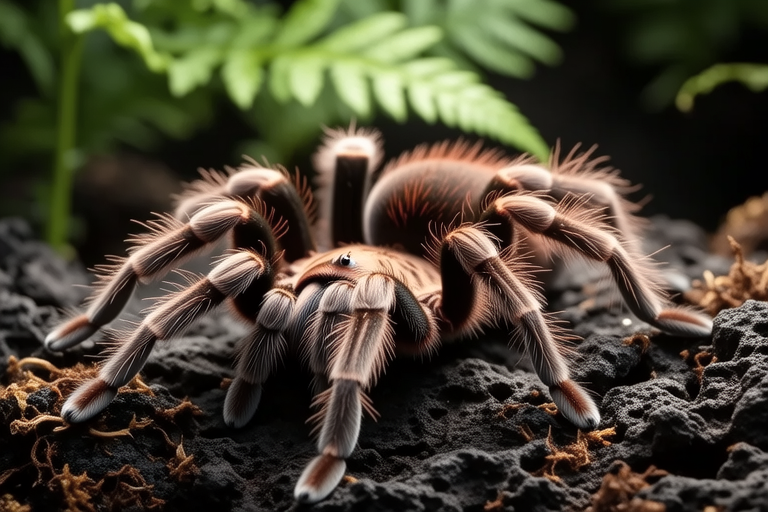
Chilean rose tarantulas are medium-sized spiders that typically reach lengths of around 4 inches (10 cm). They possess a beautiful pinkish hue on their legs, which becomes more prominent as they mature, giving them their name. Their bodies are covered in fine hairs that can range from light brown to dark red, adding to their unique aesthetic appeal.
Native to the deserts and scrublands of Chile, Argentina, and Peru, these tarantulas thrive in arid environments characterized by sandy soils and sparse vegetation. They are nocturnal creatures, spending most of their time hiding in burrows or under rocks during the day and venturing out at night to hunt for prey.
Essential Care Guidelines
Housing
Proper housing is crucial for the well-being of your Chilean rose tarantula. A terrarium measuring at least 10 gallons (38 liters) is suitable for an adult tarantula, ensuring ample space for movement and burrowing. The enclosure should have a secure lid to prevent escapes and maintain optimal environmental conditions.
Substrate plays a vital role in mimicking the natural habitat of the tarantula. A layer of coconut fiber or a mix of sand and soil, approximately 4 inches deep, allows for easy burrowing and provides necessary moisture retention. Additionally, include a shallow water dish and some cork bark or other hiding spots to create a comfortable environment.
Diet
Chilean rose tarantulas are carnivorous and primarily feed on insects such as crickets, mealworms, and dubia roaches. Younger tarantulas require smaller prey items like pinhead crickets, while adults can handle larger prey. It’s important to gut-load feeder insects with nutritious foods before offering them to your tarantula to ensure a balanced diet.
Feeding frequency varies depending on the age and size of the tarantula. Juveniles may need food every few days, whereas adults can be fed once a week. Always remove uneaten prey after 24 hours to prevent potential harm to your tarantula.
Temperature and Humidity
Maintaining the correct temperature and humidity levels within the enclosure is essential for the health of your tarantula. Ideal temperatures range between 75°F and 85°F (24°C to 29°C), simulating the warm desert climate. Use a thermometer to monitor these conditions and adjust heating elements as needed.
Humidity should be kept between 50% and 70%. This can be achieved by misting the substrate lightly or placing a shallow water dish inside the enclosure. Avoid over-misting, as excessive moisture can lead to respiratory issues and mold growth.
Common Myths About Tarantulas
Tarantulas often suffer from misconceptions that can deter potential owners. One prevalent myth is their extreme aggression. In reality, Chilean rose tarantulas are generally docile and prefer to avoid confrontation. When threatened, they may flick urticating hairs from their abdomen as a defense mechanism rather than attack.
Another misconception revolves around the potency of their venom. While all tarantulas produce venom, the venom of the Chilean rose tarantula is relatively mild and comparable to a bee sting. Most bites result in localized pain, swelling, and itching but rarely pose serious health risks to humans.
Real Facts About Behavior, Lifespan, and Interaction With Humans
Chilean rose tarantulas exhibit fascinating behaviors that make them intriguing pets. They are known for their ability to dig intricate burrows, which serve as shelters and breeding grounds. Observing this natural behavior can be rewarding for owners.
The lifespan of a Chilean rose tarantula can vary based on factors such as genetics, care, and environmental conditions. On average, females can live up to 15 years, while males typically have shorter lifespans of around 5 to 7 years. Providing optimal living conditions can help extend their lifespan.
Interaction with humans should be approached with caution and respect for the tarantula’s comfort. Handling is generally discouraged unless absolutely necessary, as it can cause stress and potential injury to both the handler and the tarantula. Instead, enjoy observing them in their natural habitat within the enclosure.
Tips for Responsible Ownership
Becoming a responsible owner of a Chilean rose tarantula involves commitment and attention to detail. Regularly clean the enclosure to prevent the buildup of waste and ensure a healthy living environment. Monitor temperature and humidity levels closely, making adjustments as needed to maintain ideal conditions.
Research thoroughly before acquiring a tarantula to understand the specific needs and care requirements. Seek advice from experienced hobbyists or consult reputable sources for guidance. Joining local or online communities can provide valuable support and resources for new and seasoned owners alike.
Resources for Further Learning
For those interested in expanding their knowledge about Chilean rose tarantulas, there are numerous books, articles, and forums available. Some recommended titles include “Tarantulas: The Complete Pet Owner’s Manual” by Richard Palardy and “The Tarantula Keeper’s Guide” by Stanley Schultz and Marguerite Schultz.
Online forums such as the Tarantula Forums and Reddit’s r/tarantulas offer platforms for discussion, sharing experiences, and seeking advice from fellow enthusiasts. These communities can be invaluable resources for learning and growing as a responsible tarantula owner.
