Unleashing the Mystery: Why Arowana is More Than Just a Fish
The Arowana, often referred to as the “Dragon of the Water,” is a fish that transcends the ordinary boundaries of aquatic life. With its mesmerizing metallic scales and vibrant colors, this fish commands attention and admiration from enthusiasts worldwide. This article delves into the multifaceted nature of the Arowana, exploring its exotic appeal, cultural significance, the challenges of keeping it as a pet, and the importance of conservation efforts.
Exotic Appeal and Unique Physical Characteristics
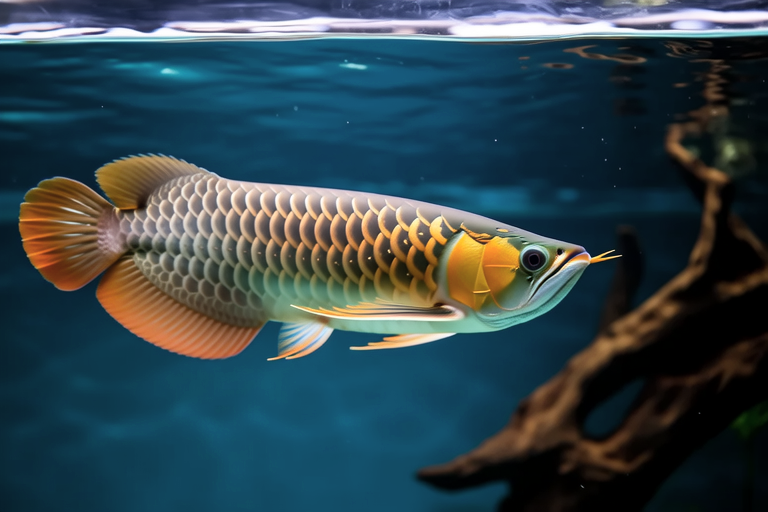
The Arowana is a sight to behold, with its elongated body and shimmering scales that seem to catch the light in every direction. These scales, which can range from silver to gold, green, or red, give the Arowana a metallic appearance, making it stand out among other freshwater fish. The vibrant colors of these fish are not just visually striking but also indicative of their health and genetic purity. Arowanas have a distinctive upward-facing mouth, designed for catching prey above the water’s surface, adding to their unique charm.
Cultural Significance Across Different Regions
Arowanas hold significant cultural value in various parts of the world, particularly in Southeast Asia. In countries like Malaysia, Singapore, and Indonesia, Arowanas are believed to bring good fortune and prosperity. They are often associated with wealth and success, and many people keep them as a symbol of luck in their homes. In Chinese culture, the Arowana is particularly revered; it is seen as a protector against evil spirits and is often given as a gift during important occasions like weddings and New Year celebrations.
The practice of keeping Arowanas as pets has been influenced by these beliefs, leading to a thriving industry centered around breeding and selling these fish. However, this popularity has also raised concerns about the sustainability of the practice and the welfare of the fish.
Challenges of Keeping Arowana as a Pet
While the allure of owning an Arowana might be tempting, prospective owners must be aware of the challenges involved in keeping these magnificent creatures. Arowanas require specific environmental conditions to thrive, starting with a large tank that can accommodate their size and swimming habits. As they grow, they need more space, and a tank of at least 300 gallons is recommended for adult Arowanas.
Dietary needs are another critical aspect of Arowana care. These fish are carnivorous and prefer live foods such as feeder fish, insects, and crustaceans. While some may attempt to feed them commercial pellets, it’s essential to note that Arowanas are more likely to accept live food, which can be challenging to source consistently. Proper nutrition is vital for maintaining the health and coloration of the fish.
Habitat requirements extend beyond mere space and food. Arowanas are sensitive to water parameters, requiring clean, well-oxygenated water with stable pH levels. Regular water changes and efficient filtration systems are necessary to maintain optimal conditions. Additionally, Arowanas are known to jump out of tanks, so secure lids are mandatory to prevent escapes.
Common health issues among Arowanas include fin rot, bacterial infections, and parasites. These problems can often be traced back to poor water quality or stress due to unsuitable living conditions. Regular monitoring of water parameters and prompt treatment of any signs of illness are crucial for the longevity of these fish.
Conservation Status and Sustainable Practices
The Arowana’s popularity has led to overexploitation in the wild, resulting in several species being listed as endangered or critically endangered. Conservation efforts are paramount to ensure the survival of these remarkable fish. Sustainable aquaculture practices play a crucial role in reducing pressure on wild populations. Responsible breeding programs aim to produce healthy offspring while preserving genetic diversity.
Trade regulations are also essential to control the demand for wild-caught Arowanas. Many countries have implemented strict laws to monitor and limit the export of these fish, ensuring that only sustainably sourced individuals enter the market. Consumers are encouraged to purchase Arowanas from reputable breeders who adhere to ethical standards and contribute to conservation initiatives.
In conclusion, the Arowana is more than just a fish; it is a symbol of beauty, luck, and mystery. Its unique physical characteristics, cultural significance, and the challenges of keeping it as a pet make it an intriguing subject for both novice and experienced aquarium enthusiasts. By understanding and respecting the complexities surrounding Arowanas, we can appreciate them fully and contribute to their preservation for future generations.
