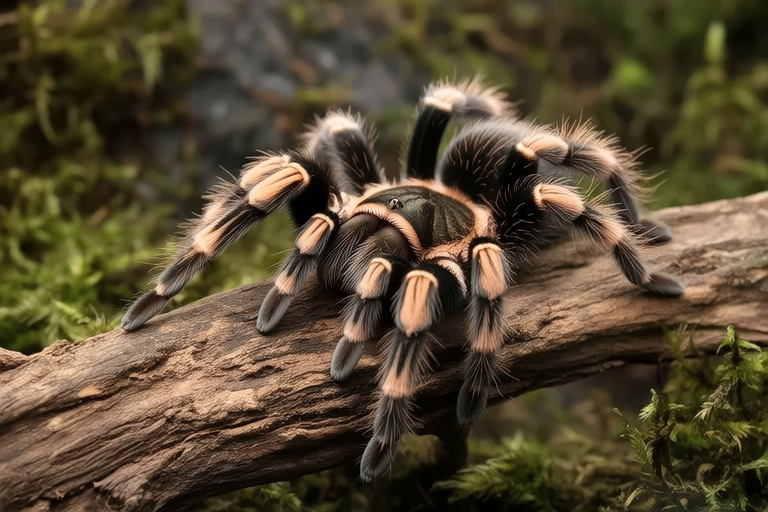
The Ultimate Guide to Tarantula Ownership: Tips from Experts on Handling and Caring
Welcome to the world of tarantulas! These fascinating arachnids have captivated the hearts of many hobbyists with their unique appearance and intriguing behaviors. Whether you’re a first-time owner or an experienced enthusiast, this comprehensive guide will provide you with valuable insights into selecting the right species, setting up the perfect habitat, and ensuring your tarantula’s well-being. Let’s dive into the essential aspects of tarantula ownership.
Choosing the Right Tarantula Species for Beginners
With over 900 known species, tarantulas come in various sizes, colors, and temperaments. For beginners, it’s crucial to choose a species that is easy to care for and less likely to bite. Popular choices include the Chilean rose hair tarantula (Grammostola rosea), the Mexican red knee tarantula (Buthus mexicanus), and the pink toe tarantula (Aphonopelma sp.). These species are relatively docile and thrive in captivity.
When selecting a tarantula, look for one that is active and alert. Avoid any specimens showing signs of lethargy, weight loss, or injury. Additionally, consider the size of the enclosure needed for each species, as some require larger habitats than others.
Setting Up the Perfect Habitat
Creating a suitable environment is key to your tarantula’s health and happiness. Start by choosing an appropriately sized terrarium. A general rule of thumb is to provide at least five times the length of the tarantula’s leg span in width and height. For example, if your tarantula has a leg span of six inches, the terrarium should be at least 30 inches wide and tall.
Line the bottom of the enclosure with a substrate such as coconut fiber, bark chips, or sphagnum moss. This material helps maintain proper humidity levels while providing a comfortable burrowing medium for your pet. Avoid using materials like gravel or sand, which can cause impaction if ingested.
In addition to substrate, include hiding spots made from cork bark, half logs, or plastic caves. These shelters offer security and comfort, encouraging natural behaviors like burrowing and molting. Ensure there is adequate ventilation but no drafts, as extreme temperature fluctuations can stress your tarantula.
Maintaining Appropriate Temperature and Humidity Levels
Temperature and humidity play critical roles in your tarantula’s health. Most species prefer temperatures between 75°F and 85°F (24°C – 29°C). Use a thermometer to monitor the enclosure’s temperature and adjust heating sources, such as under-tank heaters or ceramic heat emitters, as necessary.
Humidity levels should be maintained between 60% and 80%, depending on the specific needs of your tarantula species. High humidity aids in shedding and digestion, while low humidity can lead to dehydration and other health issues. To achieve optimal humidity, mist the substrate daily or install a fogger system.
It’s important to strike a balance between temperature and humidity. Too much moisture combined with high heat can create mold growth, which is harmful to your tarantula. Conversely, excessively dry conditions can cause respiratory problems. Regularly check both parameters and make adjustments accordingly.
Feeding and Hydration Requirements
Tarantulas are carnivorous and primarily feed on live insects such as crickets, mealworms, and dubia roaches. Offer prey items that are no larger than half the width of the tarantula’s abdomen. Overfeeding can lead to obesity, while underfeeding may result in malnutrition.
Feed adult tarantulas once every seven to ten days, adjusting frequency based on individual appetite. Juveniles may need more frequent meals due to rapid growth. Always remove uneaten prey after 24 hours to prevent injury or stress to your tarantula.
Hydration is also vital for your tarantula’s health. While tarantulas do not drink water directly, they absorb moisture through their exoskeleton. Mist the enclosure regularly to keep the substrate damp, ensuring your pet stays hydrated.
Handling Techniques
Although tarantulas are generally docile, handling should be approached with caution. Always wash your hands before interacting with your pet to avoid transferring oils or chemicals that could harm it. Gently place your hand near the front of the enclosure, allowing the tarantula to climb onto your palm.
Support the tarantula’s body by gently cupping your hand underneath. Never squeeze or hold the tarantula too tightly, as this can cause injury. Limit handling sessions to short durations, as excessive handling can stress your pet.
If your tarantula attempts to flick off hairs (urticating hairs) during handling, this is a defensive mechanism rather than aggression. These hairs can irritate human skin, so wear gloves or handle the tarantula with care.
Health Issues to Watch Out For
Regular observation is essential for early detection of potential health issues. Common signs of illness include reduced activity, refusal to eat, weight loss, and abnormal behavior. Some species may exhibit darker coloration when stressed or unwell.
Molting is a natural process where the tarantula sheds its exoskeleton. During this time, your pet may appear sluggish and reclusive. Do not disturb the tarantula during molting, as this can lead to incomplete molts or injuries. Once the molt is complete, ensure the new exoskeleton hardens properly before resuming normal care.
Parasites, infections, and mites are rare but possible health concerns. If you notice any unusual symptoms or suspect a problem, consult a veterinarian specializing in exotic pets for diagnosis and treatment.
Signs of a Healthy Tarantula
A healthy tarantula displays several key indicators:
- Active movement and interest in surroundings
- Normal appetite and regular feeding habits
- Proper weight and muscle tone
- Smooth, glossy exoskeleton without discoloration or damage
- Clear eyes and absence of cloudiness or discharge
Monitor these factors closely and take action if any deviations occur. Early intervention can prevent minor issues from escalating into serious health problems.
Ensuring Safety for Both Tarantula and Handler
Safety should always be a priority when interacting with your tarantula. Follow these guidelines to minimize risks:
- Wear protective clothing, including long sleeves and gloves, during handling.
- Handle your tarantula only when it is calm and settled.
- Avoid sudden movements or loud noises that might startle your pet.
- Keep the tarantula away from children and pets who may accidentally harm it.
- Store tarantulas securely in their enclosures when not being handled.
By adhering to these precautions, you can enjoy safe and enjoyable interactions with your tarantula.
Conclusion
Owning a tarantula can be a rewarding experience, offering unique companionship and educational opportunities. By following the expert advice provided in this guide, you’ll be well-equipped to meet the needs of your pet and ensure its longevity. Remember, patience and attentiveness are key to successful tarantula ownership. With proper care and attention, your tarantula will thrive in its new home.
