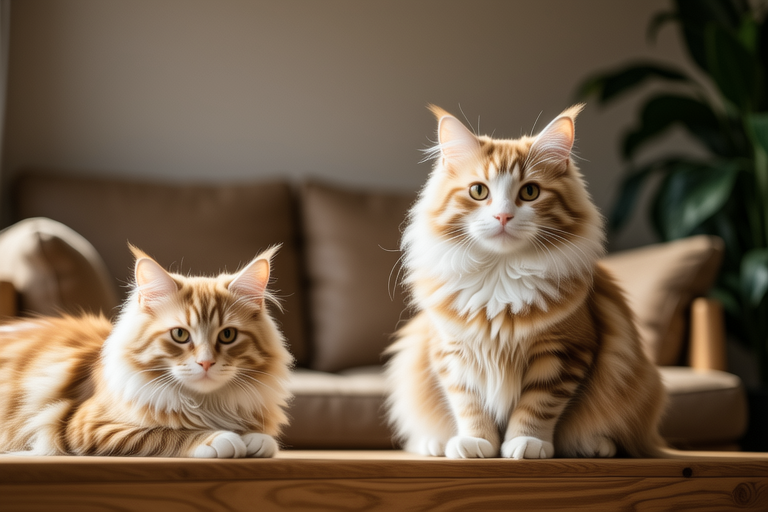
Orange Cats and Their Unique Personalities: Traits You Didn’t Know About
Welcome to the fascinating world of orange cats! These felines are not just a popular choice among pet owners but also carry a rich history and unique set of traits that make them stand out from other cat breeds. In this article, we will explore the prevalence and common stereotypes of orange cats, delve into the genetic reasons behind their striking coat color, and examine the distinctive personality traits often observed in them. We’ll also contrast these traits against common misconceptions and conclude with practical tips for potential owners of orange cats.
The Prevalence and Common Stereotypes of Orange Cats
Orange cats are incredibly common, making up about 20% of the global cat population. Their striking orange fur has made them a favorite subject in art, literature, and even popular culture. From Garfield, the famous comic strip character, to countless internet memes, orange cats have captured the hearts of millions. However, along with their popularity comes a set of stereotypes. Many people believe that all orange cats are lazy, overweight, and have a laid-back attitude. While these perceptions may be rooted in some truth, they certainly don’t apply to every orange cat. It’s important to understand that individual personalities can vary widely, regardless of coat color.
The Genetic Reasons Behind Their Coat Color
The vibrant orange color of these cats is primarily due to genetics. The gene responsible for producing orange fur is called the orange gene, which is located on the X chromosome. This gene controls the production of red pigment in the cat’s fur. Since female cats have two X chromosomes, they can either express both the orange and non-orange genes or be completely one or the other. Male cats, on the other hand, only have one X chromosome, so if they inherit the orange gene, they will be orange. This genetic setup explains why orange male cats are more common than orange female cats.
Interestingly, the orange gene can also influence a cat’s behavior. Studies have shown that orange cats are more likely to exhibit certain behaviors, such as being more social and interactive. This is thought to be linked to the same genetic factors that produce their coat color, highlighting the complex interplay between genetics and behavior.
Distinctive Personality Traits in Orange Cats
Orange cats are often known for their friendly and sociable nature. They tend to be more outgoing and affectionate compared to other breeds. This makes them great companions for families and individuals alike. One study found that orange cats were more likely to seek out human interaction and were less likely to hide when new people entered their environment. This trait can be attributed to their genetic makeup, which predisposes them to be more comfortable around humans.
Another notable trait of orange cats is their playfulness. They enjoy engaging in activities that stimulate their minds and bodies. Whether it’s chasing after a laser pointer or playing with toys, orange cats are always ready for some fun. Their playful demeanor can help keep them mentally and physically healthy, reducing the risk of obesity and behavioral issues.
Moreover, orange cats are known for their intelligence. They are quick learners and can adapt to new environments easily. This adaptability makes them excellent pets for people who move frequently or have busy lifestyles. Additionally, orange cats are often seen as being more trainable than other breeds, which can be useful for teaching them tricks or commands.
Contrasting Traits Against Common Misconceptions
One common misconception about orange cats is that they are lazy. While it’s true that some orange cats might take naps during the day, this doesn’t mean they’re lazy. In fact, many orange cats are quite active and enjoy physical activity. Another stereotype is that they are overweight. Although some orange cats might be prone to weight gain, this is not exclusive to them. Proper diet and exercise are essential for maintaining a healthy weight, regardless of breed.
It’s also believed that orange cats are less affectionate. This couldn’t be further from the truth. Orange cats are known for their strong bond with their owners. They often seek out attention and enjoy being petted or cuddled. Their affectionate nature makes them ideal companions for those looking for a close relationship with their pet.
Tips for Potential Owners of Orange Cats
If you’re considering adopting an orange cat, there are several things to keep in mind. First, ensure you provide them with plenty of opportunities for play and exercise. This will help them stay healthy and prevent boredom. Interactive toys, climbing structures, and scratching posts are great additions to any cat’s home.
Second, orange cats thrive on social interaction. Spend quality time with your cat each day, whether it’s playing, grooming, or simply sitting together. This will strengthen your bond and ensure your cat feels loved and secure.
Lastly, be mindful of their dietary needs. As mentioned earlier, orange cats might be more prone to weight gain. Choose high-quality cat food that meets their nutritional requirements and monitor their weight regularly. If necessary, consult with your veterinarian to develop a feeding plan that keeps your cat at a healthy weight.
In conclusion, orange cats are truly remarkable creatures with unique personalities and traits. While they share some common characteristics, such as friendliness and playfulness, it’s important to remember that each cat is an individual. By understanding their genetic background and specific needs, you can provide the best care possible and enjoy a rewarding relationship with your orange cat.
