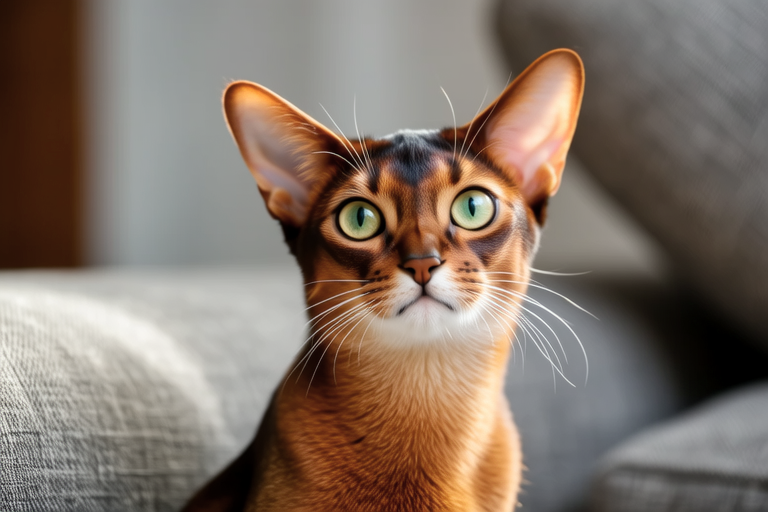
Abyssinian Cats: The History, Personality Traits, and Care Guide You Need
Welcome to the captivating world of Abyssinian cats! Known for their striking appearance and lively personalities, these felines have captured the hearts of many cat enthusiasts. In this comprehensive guide, we will delve into the rich history, unique physical attributes, and distinctive traits of Abyssinian cats. We’ll also provide you with all the essential information you need to care for your Abyssinian companion, ensuring they lead a happy and healthy life.
The Origins and History of Abyssinian Cats
The Abyssinian cat’s origin story is as fascinating as its name suggests. Despite its name implying a connection to ancient Abyssinia (modern-day Ethiopia), the true origins of the breed remain somewhat shrouded in mystery. One popular theory posits that the breed may have descended from Egyptian domestic cats, given the striking resemblance between modern Abyssinians and the enigmatic cats depicted in ancient Egyptian art. Another theory suggests that the breed was developed through selective breeding programs in Victorian England, aiming to recreate the look of the wild African cat.
Whatever the truth behind their ancestry, it is clear that Abyssinian cats have been cherished by humans for centuries. Their presence in literature and art dates back to the 19th century, and they were first exhibited at a cat show in Britain in 1871. Over time, the breed has evolved and refined, leading to the elegant and energetic cats we know today.
Physical Characteristics and Breed Standards
Abyssinian cats are easily recognizable by their sleek, muscular bodies, large ears, and expressive almond-shaped eyes. Their coat is short but dense, featuring a distinctive ticked pattern where each hair has bands of color, giving them a shimmering, iridescent appearance. Common colors include ruddy (a warm reddish-brown), blue (a cool grayish-blue), and fawn (a soft beige).
The breed standard emphasizes grace and elegance, with the ideal Abyssinian possessing a well-proportioned body, a long neck, and a fine bone structure. Their legs are slender yet strong, and their tails are long and tapering. The overall impression is one of agility and poise, making them not only beautiful but also highly adaptable to various environments.
Distinct Personality Traits
Abyssinian cats are renowned for their playful and intelligent nature. They are curious creatures, always eager to explore new environments and engage in interactive play. Their high energy levels make them perfect companions for those who enjoy an active lifestyle. Abyssinians are also known for their affectionate and social behavior, often forming strong bonds with their human families.
These cats thrive on attention and interaction, and they can become quite vocal if they feel neglected. They are generally good with children and other pets, provided they are introduced gradually and given sufficient space. Their intelligence means they can learn tricks and respond well to positive reinforcement training, making them a joy to live with.
Care Guide for Abyssinian Cats
Dietary Needs
Like all cats, Abyssinians require a balanced diet that meets their nutritional needs. High-quality commercial cat foods that are rich in protein and low in carbohydrates are recommended. It’s important to consult with your veterinarian to determine the appropriate amount and type of food based on your cat’s age, weight, and activity level.
Abyssinians are prone to obesity, so portion control and regular exercise are crucial. Avoid overfeeding and ensure fresh water is always available. Treats should be given sparingly and should not exceed 10% of their daily caloric intake.
Grooming Requirements
Abyssinians have a short, dense coat that requires minimal grooming. Weekly brushing with a soft-bristled brush or a rubber grooming mitt helps remove loose hair and keeps their coat shiny. Bathing is usually unnecessary unless your cat gets particularly dirty or develops skin issues.
Regular nail trimming and dental care are also important aspects of grooming. Trim your cat’s nails every few weeks to prevent them from becoming too long and sharp. Dental hygiene can be maintained by providing chew toys and treats designed to promote oral health. Additionally, check your cat’s ears regularly for signs of infection or wax buildup and clean them gently if necessary.
Exercise Recommendations
Given their high energy levels, Abyssinian cats benefit greatly from regular exercise. Interactive play sessions using toys like feather wands, laser pointers, or puzzle feeders can help keep them mentally stimulated and physically fit. Providing climbing structures, scratching posts, and window perches also encourages natural behaviors and allows them to burn off excess energy.
Outdoor access is not recommended for Abyssinian cats due to their curiosity and tendency to wander. If you live in a secure environment, consider supervised outdoor time or a catio (cat patio) to allow your cat to experience the outdoors safely.
Common Health Issues
While Abyssinians are generally healthy cats, they are susceptible to certain genetic conditions. Hypertrophic cardiomyopathy (HCM), a heart disease characterized by thickening of the heart muscle, is one of the most serious concerns. Regular veterinary check-ups and early detection can improve management and prognosis.
Periodontal disease, dental problems, and kidney disease are also more prevalent in Abyssinians. Routine dental care and regular vet visits can help monitor and manage these issues. Additionally, maintaining a healthy weight and providing a balanced diet can contribute to overall wellness.
Tips for Potential Owners
Bringing home an Abyssinian cat is an exciting prospect, but it also comes with responsibilities. Here are some tips to help you provide the best care for your new feline friend:
- Provide Mental Stimulation: Abyssinians are intelligent and inquisitive, so offer them puzzles, toys, and activities that challenge their minds. This will help prevent boredom and destructive behavior.
- Establish Routines: These cats thrive on consistency, so establish a routine for feeding, playtime, and grooming. This will create a sense of security and predictability for your cat.
- Spend Quality Time Together: Abyssinians crave attention and interaction, so make time for cuddles, petting, and play. This will strengthen your bond and keep your cat emotionally satisfied.
- Be Patient and Observant: Every cat is different, so take the time to understand your Abyssinian’s individual needs and preferences. Pay close attention to changes in behavior or health, and seek veterinary advice when necessary.
In conclusion, Abyssinian cats are truly remarkable companions, offering a unique blend of beauty, intelligence, and affection. By understanding their history, appreciating their physical attributes, and following proper care guidelines, you can ensure a fulfilling and joyful relationship with your Abyssinian cat. With love, patience, and attentive care, you’ll both enjoy a lifetime of happiness together.
