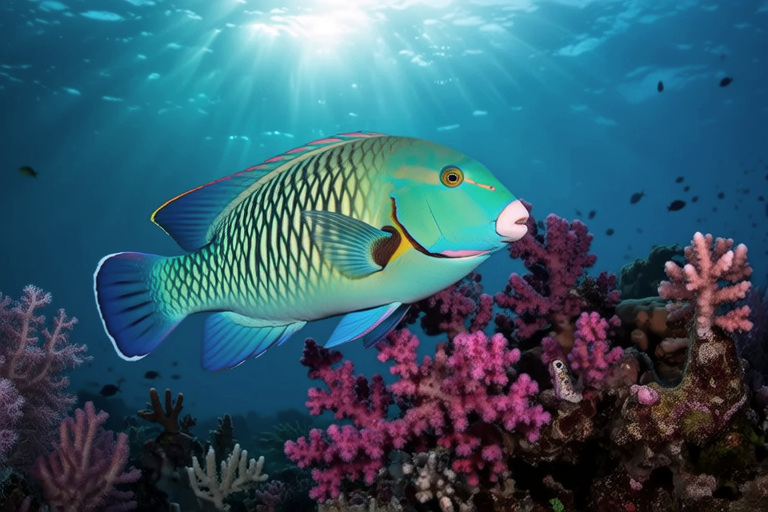
Parrot Fish: The Hidden Secrets of Your Aquarium’s Colorful Star
Introduction
Welcome to the vibrant world of parrot fish, a captivating species that can transform your aquarium into a mesmerizing underwater spectacle. Known for their striking colors and robust personalities, these fish are a favorite among aquarists. In this article, we will explore the secrets behind their allure, offering you valuable insights into their care, behavior, and unique characteristics. Whether you’re a seasoned aquarist or a beginner, this guide will equip you with the knowledge needed to create a thriving environment for your parrot fish.
The Vibrant World of Parrot Fish Colors
One of the most striking features of parrot fish is their vibrant and ever-changing color palette. Ranging from bright oranges and reds to deep purples and blues, each individual can display a unique combination. These colors serve multiple purposes in the wild, including camouflage, mating displays, and territory marking. In captivity, the colors may vary based on the fish’s mood, health, and environmental conditions. Ensuring a stable and enriched environment is crucial to maintain the fish’s vibrant hues.
Natural Habitat and Replication in Aquariums
Originating from Central America, parrot fish are found in freshwater rivers and lakes. Their natural habitat consists of warm, slightly acidic waters rich in plant life. To replicate this environment in your aquarium, consider using driftwood, live plants, and soft substrates. A well-planted tank not only mimics their natural surroundings but also provides hiding spots and promotes healthy growth. Aim for a temperature range of 75°F to 82°F (24°C to 28°C) and a pH level between 6.5 and 7.5.
Diet Requirements and Feeding Tips
Parrot fish are omnivores with a preference for algae-based foods. In the wild, they graze on algae-covered rocks and consume small crustaceans. In captivity, provide them with a balanced diet that includes spirulina flakes, algae wafers, and high-quality pellets. Supplement their diet with occasional treats like frozen bloodworms or brine shrimp to ensure optimal nutrition. Feed them twice daily, offering amounts they can consume within a few minutes.
Maintaining Water Quality
Water quality is paramount for the health and longevity of your parrot fish. Regular partial water changes, typically 20-30% every two weeks, help maintain stable parameters. Invest in a reliable filtration system capable of handling the bioload of your tank. Additionally, monitor ammonia, nitrite, and nitrate levels using test kits, ensuring they remain at safe levels. A good rule of thumb is to keep ammonia and nitrite at 0 ppm and nitrate below 20 ppm.
Behavior and Social Dynamics
Parrot fish are generally peaceful and can coexist well with other non-aggressive species. However, they have a reputation for being territorial, especially when space is limited. It’s advisable to introduce them gradually to a community tank, allowing time for acclimation. Avoid housing them with overly aggressive or fin-nipping fish. Opt for compatible tankmates such as cichlids, gouramis, or peaceful tetras.
Common Health Issues and Prevention
Like any aquatic creature, parrot fish are susceptible to certain health issues. Common ailments include fin rot, ich, and bacterial infections. Regular observation and prompt action can prevent these problems. Signs of illness include lethargy, loss of appetite, frayed fins, or discolored patches on the body. Quarantine new additions to your tank for several weeks to minimize the risk of introducing diseases.
Unique Characteristics and Care Tips
Parrot fish possess several unique traits that make them fascinating subjects for aquarists. One notable feature is their ability to change colors based on their mood or surroundings. They also exhibit territorial behavior, particularly during feeding times. To mitigate aggression, provide ample hiding spots and ensure there’s enough food for all inhabitants. Another interesting characteristic is their preference for hard surfaces; offer them smooth rocks or ceramic objects to nibble on.
Conclusion
In conclusion, parrot fish are a delightful addition to any aquarium, offering a splash of color and personality. By understanding their dietary needs, replicating their natural habitat, and maintaining excellent water quality, you can ensure the well-being and happiness of these beautiful creatures. Remember, patience and attentiveness are key to creating a thriving environment. With proper care, your parrot fish will reward you with years of enjoyment and wonder.
