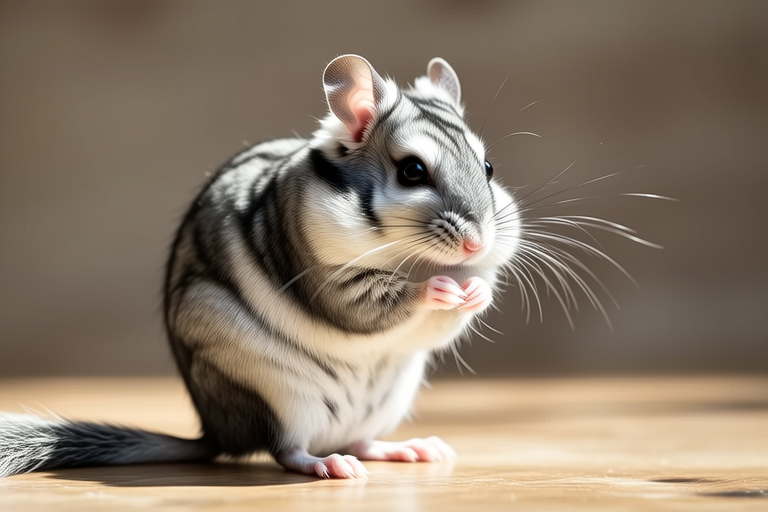
Chinchilla Grooming Hacks That Will Leave You Amazed!
Welcome to the wonderful world of chinchilla grooming! These adorable creatures have unique grooming needs that require a bit of creativity and care. In this article, we’ll explore innovative and effective grooming techniques that will keep your chinchilla looking and feeling its best. From dust baths to nail trimming, we’ve got you covered with tips and tricks that will leave you amazed at how easy it can be.
The Importance of Regular Grooming
Regular grooming is crucial for your chinchilla’s health and appearance. It helps prevent skin conditions, keeps their coat shiny and soft, and ensures their nails don’t grow too long. By maintaining a consistent grooming routine, you’re not only promoting good hygiene but also strengthening the bond between you and your pet. Let’s dive into some essential grooming practices that will make a big difference in your chinchilla’s life.
Dust Baths: The Key to Chinchilla Hygiene
Chinchillas are known for their luxurious coats, which consist of around 60 hairs per follicle. This dense fur requires frequent cleaning, and dust baths are the most effective way to achieve this. Dust baths are not just a luxury; they’re a necessity for these fluffy little rodents. Here’s how to make bath time both enjoyable and beneficial:
- Frequency: Offer dust baths two to three times a week, each lasting about 10 to 15 minutes. Overbathing can strip the natural oils from their fur, leading to dryness.
- Type of Dust: Use high-quality chinchilla dust, such as those made from volcanic ash, specifically designed for their delicate skin. Avoid using regular cat litter or other substitutes.
- Bath Box: Provide a shallow container or box large enough for your chinchilla to roll around comfortably. Make sure the sides aren’t too high, as chinchillas can be clumsy jumpers.
- Environment: Ensure the area is quiet and free from distractions. Chinchillas need peace during bath time to fully enjoy the experience.
A friend of mine once shared a story about her chinchilla, Charlie, who would eagerly hop into his dust bath every chance he got. She noticed that after a few weeks of regular baths, Charlie’s coat became softer and shinier than ever before. It’s amazing how something so simple can make such a noticeable difference!
Nail Trimming: Precision is Key
Chinchillas’ nails grow continuously, and if left untrimmed, they can become overgrown and cause discomfort or even injury. Trimming your chinchilla’s nails may seem daunting at first, but with the right tools and technique, it becomes a breeze. Here’s what you need to know:
- Tools: Invest in a pair of small animal nail clippers or scissors designed for chinchillas. Dremel tools are also popular among experienced owners.
- Location: Choose a calm, well-lit area where you can work comfortably. Having another person assist by holding your chinchilla can be helpful.
- Technique: Hold your chinchilla gently but firmly, supporting its body with one hand while trimming the nails with the other. Be cautious not to cut the quick, which contains blood vessels and nerves. If you accidentally do, apply cornstarch or flour to stop the bleeding.
- Frequency: Trim nails every four to six weeks, depending on growth rate.
One common mistake is attempting to trim nails without proper lighting. Good visibility is crucial for avoiding the quick. Another common error is rushing the process, which can lead to accidents. Take your time and ensure your chinchilla is relaxed throughout the procedure.
Teeth Care: Keeping Those Pearly Whites in Check
Chinchillas have open-rooted teeth that grow continuously throughout their lives. Proper dental care is vital to prevent overgrowth and potential health issues. Here are some tips to keep your chinchilla’s teeth healthy:
- High-Quality Diet: Feed a balanced diet rich in hay, pellets, and fresh vegetables. High-quality timothy hay is especially important for dental health.
- Tooth Wear: Provide plenty of safe chew toys made from untreated wood or cardboard. These items help wear down teeth naturally.
- Monitoring: Regularly check your chinchilla’s mouth for any signs of overgrowth or misalignment. Look out for drooling, difficulty eating, or swollen cheeks, which could indicate dental problems.
- Veterinary Care: Schedule annual checkups with a veterinarian familiar with exotic pets. They can provide professional teeth trimming if necessary.
My neighbor, Sarah, once told me about her chinchilla, Benny, who had developed overgrown teeth due to lack of proper chew toys. After adjusting Benny’s diet and providing more suitable chewing options, Benny’s teeth returned to normal within a few months. It’s always better to catch dental issues early rather than waiting for them to worsen.
Fur Maintenance: Ensuring a Healthy Coat
In addition to dust baths and regular grooming, there are several ways to maintain your chinchilla’s coat:
- Diet: A nutritious diet supports healthy fur growth. Ensure your chinchilla has access to fresh water, high-quality hay, and appropriate supplements.
- Brushing: While chinchillas typically groom themselves, occasional brushing with a soft-bristled brush can help remove loose fur and prevent matting. Be gentle and only brush when necessary.
- Housing: Keep the living environment clean and free from drafts. Chinchillas are sensitive to temperature changes, so maintain a cool, dry environment.
- Overbathing: As mentioned earlier, excessive dust bathing can dry out your chinchilla’s skin and fur. Stick to the recommended frequency.
- Improper Nail Clipping: Cutting too much off or hitting the quick can cause pain and bleeding. Always approach nail trimming with caution.
- Ignoring Dental Health: Neglecting your chinchilla’s teeth can lead to serious health problems. Regular monitoring and providing appropriate chew toys are essential.
- Using Incorrect Products: Avoid using human products like shampoos or conditioners, as they can harm your chinchilla’s sensitive skin and fur.
- Myth: Chinchillas don’t need baths because they clean themselves. Reality: While chinchillas do self-groom, they rely heavily on dust baths to maintain their coat’s health and cleanliness.
- Myth: Nail clipping is dangerous and should be avoided. Reality: With proper technique and tools, nail trimming is a safe and necessary part of chinchilla care.
- Myth: Chinchillas can eat any type of hay. Reality: Only high-quality timothy hay is recommended for chinchillas. Alfalfa hay is too rich in calcium and should be given sparingly.
Common Mistakes to Avoid
Even experienced chinchilla owners sometimes fall into bad habits. Here are some common mistakes to watch out for:
Myths About Chinchilla Grooming
There are many misconceptions surrounding chinchilla grooming. Let’s debunk some of the most common ones:
Conclusion
Grooming your chinchilla doesn’t have to be a chore; it can be a rewarding and enjoyable experience for both you and your pet. By following these grooming hacks and avoiding common pitfalls, you’ll ensure your chinchilla stays healthy, happy, and looking its best. Remember, a well-groomed chinchilla is a happy chinchilla!
Happy grooming, and enjoy the journey of caring for your furry friend!
