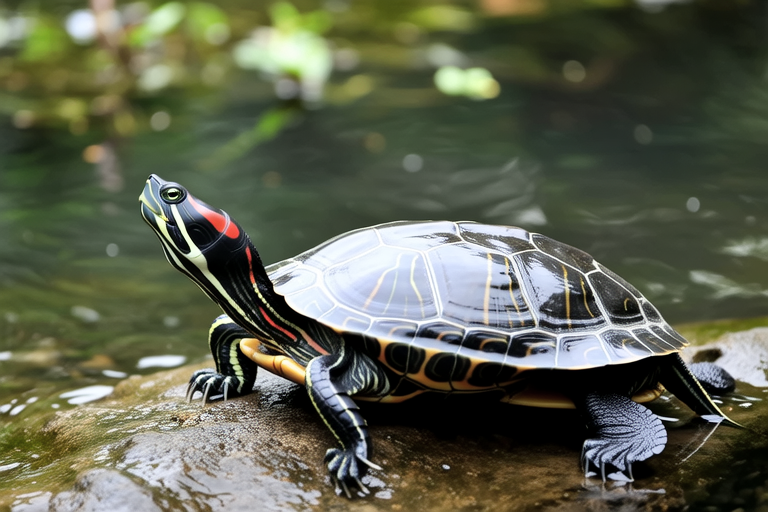
Before You Get a Red-eared Slider: Vital Information Pet Owners Need
Red-eared sliders (Trachemys scripta elegans) are among the most popular aquatic turtles kept as pets. Their vibrant colors and relatively low maintenance requirements have made them a favorite choice for many turtle enthusiasts. However, before bringing one home, it’s crucial to understand the specific care requirements these reptiles need to thrive. This guide will provide you with all the vital information you need to decide if a red-eared slider is the right pet for you.
Natural Habitat
Native to the central United States, red-eared sliders prefer slow-moving rivers, ponds, and lakes with abundant vegetation. They are semi-aquatic, meaning they spend significant time both in and out of the water. Understanding their natural habitat helps replicate similar conditions in captivity, ensuring their well-being.
Dietary Needs
A balanced diet is key to keeping your red-eared slider healthy. In the wild, their diet consists mainly of plants, insects, and small fish. As pets, they require a mix of commercial turtle pellets, vegetables, and occasional live foods like earthworms or crickets. It’s important to offer a varied diet to ensure they receive all necessary nutrients. Avoid overfeeding, as obesity can lead to health problems.
Expected Lifespan
With proper care, red-eared sliders can live between 20 to 40 years. This long lifespan means a significant commitment from the owner. It’s essential to consider this when deciding to bring a red-eared slider into your home, as they will likely be a part of your life for decades.
Space Requirements for Housing
Red-eared sliders need ample space to move around comfortably. A juvenile turtle requires at least 10 gallons of water per inch of shell length. As they grow, so does their need for space; an adult turtle may need a tank of up to 100 gallons or more. Additionally, providing a basking area with a ramp or floating dock is crucial for them to leave the water and dry off under a heat lamp.
Common Health Issues
Like any pet, red-eared sliders are susceptible to various health issues. Shell rot, respiratory infections, and metabolic bone disease are some of the most common problems. Regular vet check-ups and maintaining clean living conditions can help prevent these issues. Early detection and treatment are critical for their recovery.
Selecting the Right Tank Setup
The tank setup is fundamental to your turtle’s health. Choose a tank that provides plenty of swimming space and a basking area. The substrate should be safe and easy to clean. Many owners opt for smooth river rocks or no substrate at all to reduce the risk of ingestion. Ensure the tank has a secure lid to prevent escapes.
Water Quality Maintenance
Maintaining clean water is vital for your turtle’s health. Use a high-quality filter to keep the water clear and free of harmful bacteria. Regular water changes are necessary, typically once a week or more frequently depending on the tank size and number of turtles. Testing the water for pH levels and ammonia content can help you monitor its quality effectively.
Appropriate Lighting
Red-eared sliders require UVB light to synthesize vitamin D3, which aids in calcium absorption. Without adequate UVB exposure, they can develop metabolic bone disease. Provide a full-spectrum UVB light over the basking area, and ensure it is positioned correctly to reach the turtle’s basking spot. Replace the bulbs every six months to maintain their effectiveness.
Commitment Required
Owning a red-eared slider involves a significant commitment. These turtles require daily attention to ensure their environment remains clean and healthy. Their long lifespan also means being prepared to care for them for many years. It’s important to consider whether you can commit the time and resources needed to provide them with the best possible life.
Legal Considerations
In some regions, there are restrictions or outright bans on keeping red-eared sliders as pets. Before acquiring one, research local laws and regulations. Some areas may require permits or licenses, while others may have age restrictions for ownership. Always comply with legal requirements to avoid penalties or confiscation of your pet.
Understanding Behavior and Social Needs
Red-eared sliders are generally solitary animals but can tolerate the presence of other turtles. They are active during the day and enjoy basking in the sun. Providing enrichment through toys or structures can stimulate their natural behaviors and keep them engaged. Understanding their behavior and social needs can enhance their quality of life and create a more enjoyable experience for both the turtle and the owner.
Conclusion
Bringing a red-eared slider into your home is a significant decision that requires careful consideration. By understanding their natural habitat, dietary needs, expected lifespan, space requirements, and common health issues, you can better prepare yourself for the responsibilities of ownership. Ensuring a suitable tank setup, maintaining water quality, and providing appropriate lighting are essential steps in creating a healthy environment for your pet. With the right care and commitment, a red-eared slider can be a rewarding and fascinating addition to your family.
