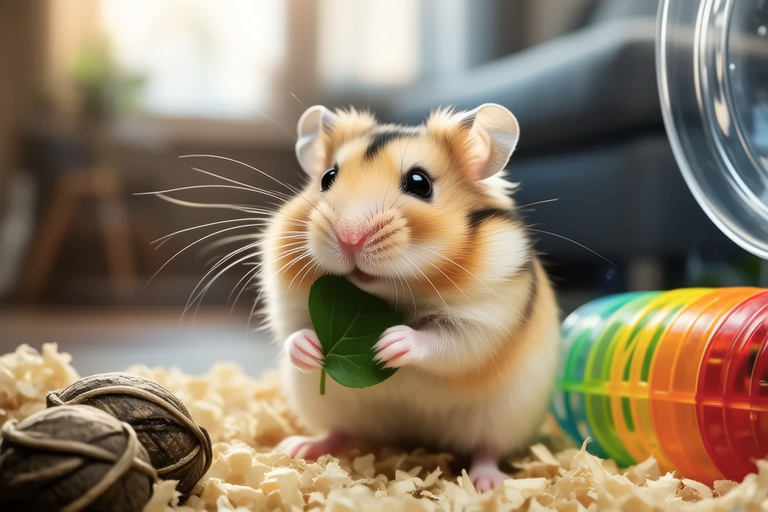
How to Make Your Golden Hamster the Happiest in the Neighborhood
Welcome to the wonderful world of golden hamsters! These tiny, furry creatures are known for their playful nature and cute appearance. As a hamster owner, you have the unique opportunity to provide your pet with a loving home that ensures their happiness and well-being. In this article, we’ll explore how to create the ideal environment for your golden hamster, from selecting the right habitat to providing stimulating activities and maintaining their health.
Selecting the Right Habitat Setup
The first step in making your golden hamster the happiest in the neighborhood is to set up the perfect habitat. A well-designed living space will provide comfort, security, and plenty of room for exploration. Start by choosing an appropriate cage size. The minimum recommended size for a single golden hamster is about 24 inches long, 12 inches wide, and 12 inches high. However, if possible, opt for a larger cage to give your hamster more space to move around and play.
Ensure that the cage has multiple levels or tunnels, as golden hamsters love to climb and burrow. Include ramps, bridges, and tubes to create an exciting environment. Use safe materials like untreated wood or plastic for these accessories. Additionally, provide bedding made from soft, dust-free material such as paper-based bedding or fleece liners. Avoid cedar or pine shavings, as they can be harmful to your hamster’s respiratory system.
Anecdote: My friend Sarah once had a golden hamster named Whiskers who loved to climb on her cage’s multi-level setup. Whiskers would spend hours running up and down the ramps, exploring every corner of his spacious home. Sarah noticed that Whiskers was much more active and happier after she upgraded his cage to a larger one with more climbing options.
Dietary Tips for Optimal Health and Happiness
A balanced diet is essential for keeping your golden hamster healthy and happy. Their diet should consist mainly of high-quality hamster food pellets, which provide necessary nutrients and vitamins. Supplement their diet with fresh vegetables and fruits in moderation. Some safe options include carrots, broccoli, spinach, and apples. Avoid feeding them sugary treats like candy or chocolate, as these can cause obesity and other health issues.
Provide a constant supply of fresh water in a sipper bottle attached to the side of the cage. Change the water daily to ensure it remains clean and palatable for your hamster. You can also offer small pieces of unsalted nuts or seeds as occasional treats. Remember to introduce new foods gradually to avoid digestive upset.
Anecdote: When I first got my golden hamster, I tried feeding him various fruits and vegetables without introducing them slowly. Poor thing had a tummy ache for days! After consulting a vet, I learned that introducing new foods gradually is crucial for preventing digestive issues. Now, my hamster enjoys a variety of fresh veggies, and he’s much happier and healthier.
Interactive Toys and Activities for Mental and Physical Well-being
To keep your golden hamster mentally and physically stimulated, provide a variety of interactive toys and activities. Chew toys are particularly important, as hamsters have strong teeth that need regular wear. Offer wooden chew sticks, cardboard tubes, or untreated pine cones. Rotate toys periodically to keep things interesting for your hamster.
Incorporate exercise wheels into the cage, ensuring they are solid and smooth to prevent injuries. Many hamsters enjoy running on these wheels, especially during the night when they are most active. Other fun activities include digging boxes filled with clean sand or shredded paper, tunnels, and hideouts for hiding and exploring.
Anecdote: My neighbor’s hamster, Fluffy, was always so energetic but seemed bored with just running on the wheel. She added a digging box filled with sand, and suddenly, Fluffy spent hours digging and playing in it. It became her favorite spot, and she was much more relaxed and content.
Grooming Practices
Regular grooming helps maintain your golden hamster’s coat and overall health. Gently brush their fur with a soft-bristled brush to remove loose hair and prevent matting. Pay special attention to areas where they may have difficulty reaching, such as behind the ears or under the chin. Keep their nails trimmed using nail clippers designed for small animals. Overgrown nails can cause discomfort and affect their ability to grip surfaces.
Bathe your hamster sparingly, as they are naturally clean animals and rarely require bathing. If needed, use a damp cloth to gently wipe their fur, focusing on areas like the face and paws. Avoid submerging them in water, as this can lead to stress and potential health problems. Always supervise your hamster during grooming sessions to ensure their safety and comfort.
Anecdote: One day, I noticed my hamster, Charlie, had long, overgrown nails. He seemed uncomfortable walking and grooming himself. After trimming his nails, Charlie was much more active and seemed happier. Regular nail trims have become part of our grooming routine, and Charlie loves it!
Signs of a Happy and Healthy Hamster
Recognizing the signs of a happy and healthy hamster is crucial for ensuring their well-being. A contented hamster will have a shiny coat, clear eyes, and a healthy appetite. They will be active, curious, and eager to explore their environment. Watch for signs of illness or distress, such as lethargy, loss of appetite, excessive grooming, or changes in bathroom habits.
Pay attention to their behavior and interaction with you. A happy hamster may approach you eagerly, sniff your hand, or even allow gentle handling. Conversely, a stressed or unhappy hamster might bite, retreat to the back of the cage, or refuse to come out of their hideout. Regular observation and interaction with your hamster will help you identify any changes in their behavior early on.
Anecdote: When my hamster, Buttons, started hiding in the corner of his cage and refused to eat, I knew something was wrong. After consulting a vet, we discovered that Buttons had a minor infection. With proper treatment and care, Buttons bounced back and is now as playful and curious as ever.
Building a Routine That Ensures Your Golden Hamster Thrives
Establishing a consistent routine is key to ensuring your golden hamster thrives. Set a regular schedule for feeding, cleaning the cage, and interacting with your hamster. This predictability helps them feel secure and comfortable in their environment. Spend time each day interacting with your hamster, offering treats, and allowing them to explore outside of the cage under supervision.
Be mindful of your hamster’s natural sleep patterns. Golden hamsters are nocturnal, meaning they are most active at night. Respect their sleep schedule by minimizing disturbances during the day. If you want to interact with your hamster, try doing so in the evening when they are more likely to be awake and playful.
Anecdote: My sister, Lisa, noticed that her hamster, Peanut, was much more active and responsive during the evenings. She adjusted her routine to spend quality time with Peanut in the evening, and Peanut became much more affectionate and playful. Lisa now looks forward to their nightly play sessions.
In conclusion, making your golden hamster the happiest in the neighborhood requires dedication, attention, and a commitment to their well-being. By setting up the right habitat, providing a balanced diet, offering stimulating activities, practicing good grooming, recognizing signs of happiness and health, and establishing a routine, you can ensure your hamster lives a fulfilling and joyful life. Enjoy the journey of caring for your golden hamster, and cherish the moments of companionship and joy they bring into your life.
