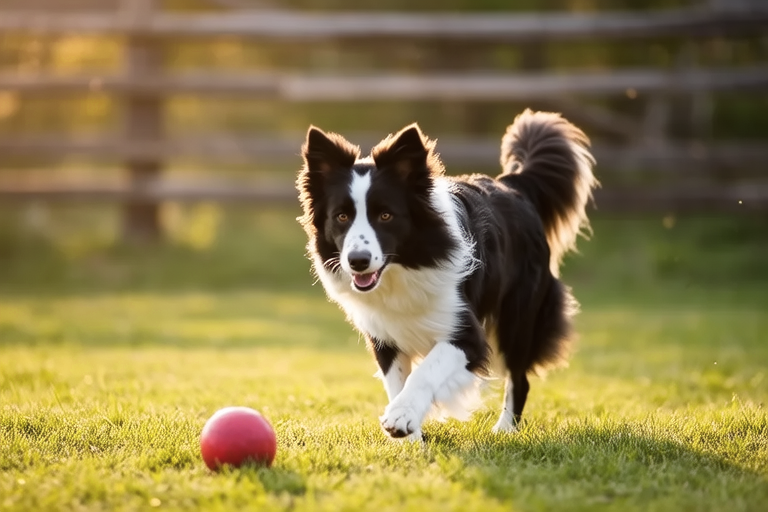
Border Collies: A Historical Exploration of Herding Instincts
The Border Collie is one of the most intelligent and versatile breeds of dogs, renowned for its exceptional herding abilities. This article delves into the historical background of border collies, their inherent herding instincts, and the genetic predispositions that underpin these behaviors. Additionally, it explores how these instincts manifest in various environments and offers scientific insights into dog behavior and cognition. Through anecdotes and case studies, we will illustrate the intensity and versatility of their herding tendencies and provide advice for owners on channeling this energy positively.
Historical Background
The Border Collie originated in the rugged hills of Scotland and northern England during the late 19th century. The breed was developed to assist farmers in managing large flocks of sheep, often in harsh and challenging terrains. The name ‘Border’ refers to the Anglo-Scottish border region where the breed was first established. Over time, selective breeding focused on enhancing traits such as intelligence, agility, and an innate drive to herd. This led to the development of a highly efficient working dog capable of performing complex tasks with minimal guidance from handlers.
Genetic Predisposition for Herding Behaviors
The herding instinct in Border Collies is deeply rooted in their genetics. Studies have identified specific genes associated with behavioral traits, including those linked to herding. One notable gene, the SINE1 insertion, has been shown to influence the expression of certain behaviors in dogs, including herding. This genetic marker is more prevalent in herding breeds like Border Collies, suggesting a strong genetic basis for their natural inclination towards herding.
In addition to genetic factors, environmental influences also play a role in shaping the herding behavior of Border Collies. Early exposure to livestock can reinforce and refine these instincts, allowing puppies to develop a keen sense of awareness and control over their surroundings. This combination of genetics and environment results in a breed that is exceptionally adept at reading and responding to the movements of animals.
Eye Contact Techniques and Body Language
One of the most distinctive aspects of a Border Collie’s herding technique is its use of intense eye contact, known as “the stare.” This stare serves to immobilize the sheep and gain their attention, facilitating easier management of the flock. The Border Collie achieves this through prolonged, unwavering gaze, which can be intimidating to the sheep and effectively commands their attention.
Body language plays a crucial role in the herding process. Border Collies use a combination of low crouches, head turns, and lateral movements to guide sheep without direct physical contact. These subtle cues help maintain control over the flock while minimizing stress and injury. The low crouch, in particular, is a classic herding posture that signals to the sheep that they should move in a particular direction.
Manifestation of Herding Instincts Beyond Traditional Scenarios
While Border Collies are famously skilled at herding sheep, their instincts extend far beyond traditional farming settings. In domestic environments, these dogs often display herding behaviors towards other pets, children, and even inanimate objects. For instance, they may attempt to corral cats, chase bicycles, or round up toys scattered around the house. This versatility underscores the adaptability of their herding instincts and highlights the importance of understanding and managing these behaviors.
Owners of Border Collies need to be aware of potential challenges that arise from uncontrolled herding behaviors. For example, a Border Collie might become overly protective of its family members, especially children, and may try to herd them away from perceived dangers. While this behavior stems from a desire to protect, it can sometimes lead to unwanted outcomes if not properly managed. Similarly, the dog’s tendency to chase moving objects can result in accidents or injuries if not appropriately channeled.
Scientific Insights on Dog Behavior and Cognition
Recent advancements in canine behavior and cognition research have provided valuable insights into the mechanisms behind herding behaviors. Studies have shown that dogs, particularly herding breeds, possess advanced cognitive skills that enable them to understand and respond to the movements of other animals. This includes the ability to predict the actions of their charges and adjust their own behavior accordingly.
Research has also highlighted the role of oxytocin, often referred to as the “bonding hormone,” in shaping social interactions between dogs and humans. Increased levels of oxytocin have been observed in both humans and dogs during positive interactions, suggesting that the bond between a Border Collie and its handler plays a significant role in facilitating effective communication and cooperation.
Anecdotes and Case Studies
Case Study 1: Meet Max, a Border Collie who lives in a suburban home with two young children. Despite not having any experience with livestock, Max exhibits strong herding tendencies. He frequently rounds up his siblings and leads them back inside when they venture too far from the house. His parents have noticed that he uses similar techniques to those employed in herding sheep, such as maintaining eye contact and employing low crouches.
Case Study 2: Bella, another Border Collie, resides in a household with multiple pets, including cats and rabbits. Bella’s owner reports that she often tries to herd the smaller animals, especially when they are moving around the yard. While this behavior can be amusing, it has occasionally resulted in minor skirmishes between the pets. To address this, the owner has implemented training sessions focused on redirecting Bella’s energy into more constructive activities.
Advice for Owners
Owners of Border Collies must recognize the importance of providing ample mental and physical stimulation to prevent boredom and destructive behaviors. Regular exercise, such as long walks, runs, or participation in agility courses, can help alleviate excess energy and promote overall well-being. Training sessions that focus on obedience and problem-solving exercises are also beneficial in keeping the dog mentally engaged.
It is essential for owners to establish clear boundaries and rules regarding acceptable herding behaviors. Positive reinforcement techniques, such as treats and praise, can be used to reward desired behaviors while ignoring or redirecting unwanted ones. Consistency is key in reinforcing these boundaries and ensuring that the dog understands what is expected of it.
Professional trainers or behaviorists can offer valuable guidance on managing herding instincts in Border Collies. They can work with owners to develop tailored training programs that address specific challenges and provide ongoing support. Additionally, joining local dog clubs or participating in herding trials can provide opportunities for socialization and skill development.
