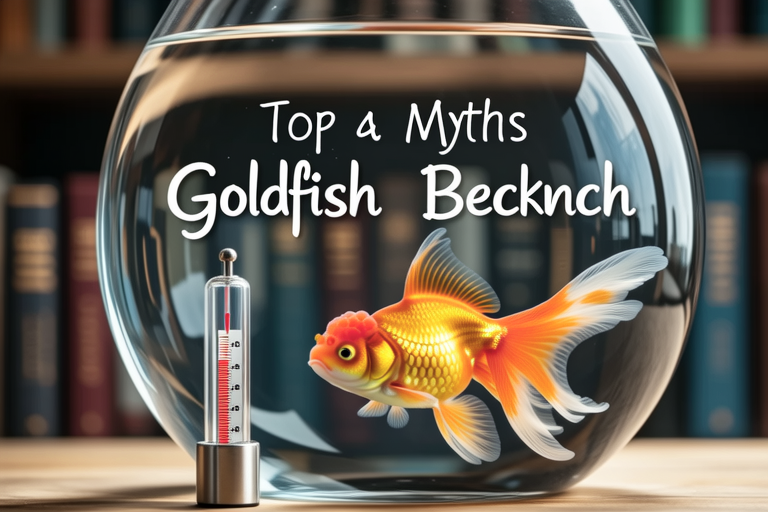
Top 10 Myths About Goldfish Debunked
Goldfish are among the most beloved and widely kept pets globally. Their vibrant colors and graceful movements make them a joy to watch. However, like many popular pets, goldfish are often surrounded by myths and misconceptions. These myths can lead to poor care and misunderstanding about their needs. This article aims to debunk ten of the most common myths about goldfish, providing you with accurate and helpful information to ensure your goldfish thrive.
Myth 1: Goldfish Have a Three-Second Memory
One of the most pervasive myths about goldfish is that they have a memory span of just three seconds. This belief suggests that goldfish cannot remember anything from one moment to the next. In reality, goldfish possess a memory capacity far greater than this simplistic myth suggests.
Research has shown that goldfish can remember things for several months. They can learn to recognize their owners, respond to feeding times, and even solve mazes. Their memory allows them to adapt to their environment and develop routines, proving that they are more intelligent than commonly thought.
Myth 2: Goldfish Can Thrive in Small Bowls
It’s a widespread misconception that goldfish can live happily in small bowls. Many people believe that a small bowl provides all the space a goldfish needs. This myth is not only harmful but also dangerous for the fish.
Goldfish require ample space to swim freely and maintain good health. A small bowl limits their movement and restricts their ability to exercise, leading to stress and health issues. The ideal setup for a goldfish includes a tank of at least 20 gallons, which allows them to swim comfortably and keeps water quality high.
Myth 3: Goldfish Only Live a Few Years
The lifespan of a goldfish is another area where myths abound. Many believe that goldfish only live for a couple of years, which is far from the truth.
With proper care, including a suitable habitat and a balanced diet, goldfish can live up to 10 to 15 years. Some reports even suggest that under optimal conditions, goldfish may live even longer. Providing a stable environment and regular maintenance of water quality are key factors in extending their lives.
Myth 4: Goldfish Don’t Need Filters
Another prevalent myth is that goldfish don’t need filters in their tanks. This belief stems from the idea that goldfish produce minimal waste and therefore don’t require filtration systems.
In reality, goldfish are prolific producers of waste, especially in smaller spaces. Without a filter, ammonia and other harmful substances can accumulate rapidly, posing serious health risks. Filters help keep the water clean and safe, ensuring a healthy environment for your goldfish.
Myth 5: Any Food Will Do for Goldfish
Many pet owners mistakenly believe that goldfish can eat any food they come across. While goldfish might enjoy a variety of foods, it’s essential to understand their dietary requirements.
A balanced diet for goldfish typically consists of commercial fish flakes or pellets formulated specifically for goldfish. These foods provide the necessary nutrients and vitamins. Feeding them a varied diet that includes occasional treats like peas or blanched vegetables can enhance their nutrition. Avoid overfeeding, as excess food can degrade water quality.
Myth 6: Goldfish Prefer Warm Water
It is commonly believed that goldfish prefer warm water, similar to tropical fish. However, goldfish are coldwater fish and have specific temperature preferences.
Goldfish thrive in water temperatures between 68°F and 74°F (20°C to 23°C). Higher temperatures can stress them and increase their metabolism, potentially leading to health problems. Maintaining the right temperature is crucial for their well-being.
Myth 7: Goldfish Don’t Need Lighting
Some owners assume that goldfish don’t need lighting, believing they are nocturnal creatures. While goldfish are active during both day and night, they still benefit from regular light cycles.
Providing a consistent lighting schedule helps regulate their circadian rhythms and promotes natural behaviors. It also aids in the growth of plants if you have an aquarium setup with live plants. Remember to provide periods of darkness to mimic natural day-night cycles.
Myth 8: Goldfish Can Survive in Tap Water
Tap water seems like a convenient option for filling a goldfish tank, but it’s not always safe for these aquatic pets. Many people believe that goldfish can survive in tap water without treatment.
Tap water often contains chlorine and chloramines, which are harmful to fish. Before adding tap water to your goldfish tank, it’s crucial to treat it with a water conditioner designed to remove these chemicals. This step ensures a safe and healthy environment for your goldfish.
Myth 9: Goldfish Don’t Need Regular Maintenance
There’s a misconception that once set up, a goldfish tank requires little maintenance. Regular upkeep is essential for maintaining water quality and the overall health of your goldfish.
Performing partial water changes every week, cleaning filters, and monitoring water parameters such as pH, ammonia, and nitrite levels are vital tasks. These activities help prevent the buildup of toxins and ensure a healthy living environment.
Myth 10: Goldfish Are Easy to Take Care Of
Lastly, there’s a common belief that goldfish are easy pets to care for, requiring minimal attention. While goldfish are relatively hardy compared to some other fish species, they still demand attentive care.
Maintaining a goldfish tank involves understanding water chemistry, feeding properly, and addressing any health issues promptly. By investing time in learning about their needs, you can provide your goldfish with the best possible care.
Tips for Responsible Goldfish Ownership
Based on the factual information provided, here are some tips for responsible goldfish ownership:
- Provide a spacious tank of at least 20 gallons.
- Install a reliable filter to maintain water quality.
- Feed a balanced diet suited to goldfish needs.
- Monitor water temperature and maintain it within the recommended range.
- Use a water conditioner when adding tap water to the tank.
- Perform regular maintenance, including water changes and filter cleaning.
- Be patient and observant; goldfish can exhibit signs of stress or illness.
By adhering to these guidelines, you can ensure that your goldfish lead long, healthy, and happy lives. Understanding and dispelling these myths will help you provide the best care for your aquatic companions.
