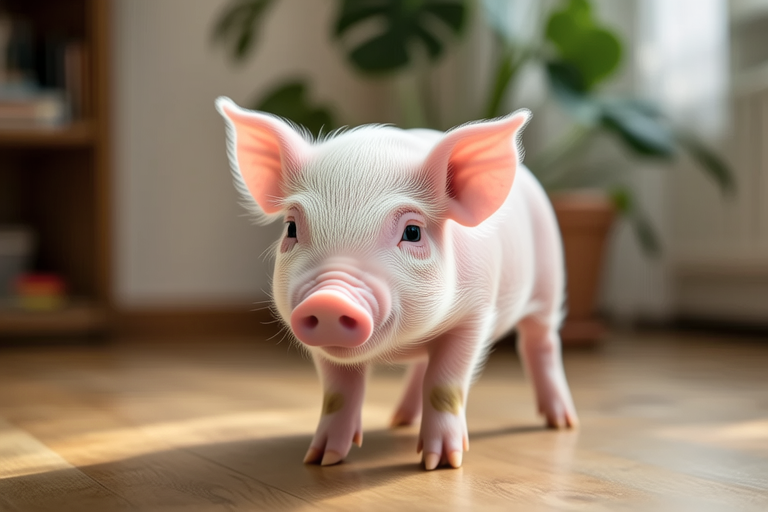
Mini Pigs in the House: Surprising Facts and Care Tips
Welcome to the world of mini pigs! These charming creatures have captured the hearts of many pet lovers with their unique personalities and surprisingly intelligent nature. Mini pigs can make wonderful companions for those willing to provide them with the care they need. In this article, we will explore some surprising facts about mini pigs and offer practical care tips for keeping your pet happy and healthy.
Surprising Facts About Mini Pigs
Intelligence
Mini pigs are incredibly smart animals, often compared to dogs in terms of intelligence. They can be trained to perform various tricks, obey commands, and even use litter boxes. Their ability to learn quickly makes them enjoyable pets for families looking for an interactive companion.
Lifespan
Contrary to popular belief, mini pigs can live for quite a long time. With proper care, these small pigs can reach ages between 12 and 20 years. This longevity means that owning a mini pig is a significant commitment, but it also ensures many years of companionship.
Dietary Needs
Mini pigs require a balanced diet rich in fiber and low in sugar and fat. Their diet should consist primarily of high-quality pig feed, supplemented with vegetables, fruits, and other nutritious treats. It’s important to avoid overfeeding, as obesity can lead to health issues such as heart disease and joint problems.
Care Tips for Mini Pigs
Housing
Creating a comfortable living space for your mini pig is essential. They need a clean, safe environment with plenty of room to move around. A spacious indoor area or a well-protected outdoor pen is ideal. Make sure the area is free from hazards like sharp objects, toxic plants, and chemicals.
Mini pigs also appreciate having a cozy bed or nest where they can rest comfortably. Providing soft bedding, such as straw or blankets, will help your pig feel at home. Additionally, ensure that the living space is warm and dry, especially during colder months.
Feeding
As mentioned earlier, mini pigs have specific dietary requirements. High-quality pig feed formulated for their age and size should form the core of their diet. Supplement this with fresh vegetables, fruits, and occasional treats. Avoid feeding them table scraps, as these can cause digestive problems and contribute to obesity.
It’s crucial to establish a regular feeding schedule to prevent overeating. Mini pigs can become overweight if they have constant access to food. Limit their intake by providing measured portions and removing any uneaten food after meals.
Exercise
Like all animals, mini pigs need regular exercise to maintain good physical and mental health. Encourage your pig to engage in activities that stimulate their mind and body. Daily walks on a leash, playtime with toys, and opportunities to explore new environments can keep your pet active and entertained.
If you have a yard, consider creating a secure area where your pig can roam freely under supervision. This allows them to stretch their legs and enjoy the outdoors while staying safe from potential dangers.
Grooming
Regular grooming is necessary to keep your mini pig clean and healthy. Brush their coat weekly to remove loose hair and dirt. Pay special attention to their nails, which should be trimmed every few weeks to prevent overgrowth. Consult a veterinarian or professional groomer if you’re unsure how to trim your pig’s nails safely.
Baths should be given only when necessary, as frequent bathing can strip their skin of natural oils. Use a mild, pet-safe shampoo and ensure the water temperature is warm but not hot. After bathing, thoroughly dry your pig to prevent chills.
Health Maintenance
Regular veterinary check-ups are vital for maintaining your mini pig’s health. Schedule annual visits to monitor their overall condition and address any concerns early. Vaccinations, parasite control, and dental care are also important aspects of their healthcare routine.
Keep an eye out for signs of illness, such as lethargy, loss of appetite, coughing, or changes in bathroom habits. Early detection and treatment of health issues can prevent more serious conditions from developing.
Frequently Asked Questions
How Much Space Do Mini Pigs Need?
Mini pigs require ample space to thrive. Indoor areas should be large enough to accommodate their size and allow for movement. Outdoor pens should provide shelter, protection from the elements, and room to explore. The exact amount of space needed depends on the pig’s size and activity level.
Can Mini Pigs Live Indoors?
Yes, mini pigs can live indoors as long as their living space meets their needs for comfort and safety. Indoor living requires careful consideration of furniture protection, odor management, and providing appropriate stimulation. Some owners choose to create hybrid environments where their pigs have access to both indoor and outdoor spaces.
What Should I Do If My Mini Pig Is Overweight?
If your mini pig is overweight, consult a veterinarian for guidance on creating a weight-loss plan. This may involve adjusting their diet, increasing exercise, and monitoring their progress closely. Patience and consistency are key when helping your pig achieve a healthier weight.
Conclusion
Owning a mini pig can be a rewarding experience for those who are prepared to meet their unique needs. By understanding their intelligence, lifespan, and dietary requirements, as well as following proper care guidelines, you can ensure that your mini pig lives a long, happy, and healthy life. Whether you’re a first-time pig owner or have years of experience, these tips will help you provide the best possible care for your beloved pet.
