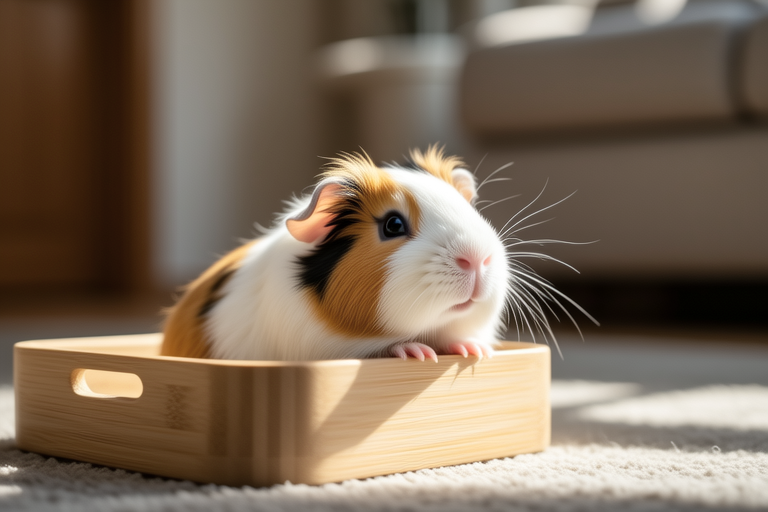
Adopting a Guinea Pig: A Beginner’s Guide to Happiness in a Small Package
Welcome to the wonderful world of guinea pigs! These charming, sociable creatures are becoming increasingly popular as pets due to their friendly nature and relatively low-maintenance care requirements. If you’re considering adopting a guinea pig, this guide will help you understand what it takes to provide a loving home for these delightful animals. From choosing the right guinea pig to understanding their dietary needs and providing them with a comfortable living space, we’ll cover everything you need to know to ensure your new pet lives a happy, healthy life.
The Unique Charm of Guinea Pigs
Guinea pigs, also known as cavies, are small rodents that have been domesticated for centuries. They are social animals that thrive on interaction and companionship. Their gentle demeanor and playful antics make them perfect pets for families or individuals looking for a low-maintenance companion. Despite their small size, guinea pigs can bring a lot of joy and affection into your home, offering a unique bond that is both rewarding and enriching.
Choosing the Right Guinea Pig
When selecting a guinea pig, it’s important to consider several factors. First, decide whether you want a single pet or a pair. Guinea pigs are social animals and prefer the company of others. If you choose to adopt two, opt for same-sex pairs to avoid unwanted litters. When visiting shelters or breeders, look for signs of good health such as clear eyes, clean ears, and smooth fur. Spend time observing each guinea pig’s behavior; they should be active and curious rather than lethargic or fearful. Additionally, consider adopting an older guinea pig from a shelter if possible; they often make great pets and can be more settled and easier to handle.
Essential Supplies for Your New Pet
Once you’ve chosen your guinea pig, it’s time to set up their new home. The essentials include:
- Housing: A spacious cage or enclosure is crucial for your guinea pig’s comfort and well-being. Choose a cage that is at least 7.5 square feet for one guinea pig and add an additional 4 square feet for each additional guinea pig. Ensure the cage has a solid floor to prevent injuries and is made of durable materials that are easy to clean.
- Bedding: Provide soft bedding like shredded paper, recycled paper pellets, or high-quality hay. Avoid cedar and pine shavings as they can irritate your guinea pig’s respiratory system.
- Toys and Enrichment: To keep your guinea pig mentally stimulated, offer safe toys such as tunnels, chew toys, and hideouts. Rotate these items regularly to prevent boredom.
- Feeding Troughs and Water Bottles: Stainless steel feeding bowls and water bottles are ideal. Ensure that the water bottle has a sipper tube that your guinea pig can easily reach.
Dietary Requirements
Proper nutrition is key to maintaining your guinea pig’s health. Their diet should consist primarily of hay, fresh vegetables, and a small amount of commercial guinea pig pellets. Hay, particularly Timothy hay, should make up the bulk of their diet as it aids digestion and keeps their teeth worn down. Offer a variety of fresh vegetables daily, but avoid those high in calcium or oxalates, which can cause bladder stones. Always provide access to fresh, clean water.
Housing Tips
Creating a comfortable and stimulating environment is vital for your guinea pig’s well-being. Place the cage in a quiet area away from direct sunlight and drafts. Guinea pigs are sensitive to temperature changes, so maintain a consistent room temperature between 65-75°F (18-24°C). Regular cleaning of the cage is essential to prevent odors and health issues. Spot-clean daily and perform a thorough cleaning every week.
Basic Health Care
Regular veterinary check-ups are important to ensure your guinea pig remains healthy. Common health issues include dental problems, respiratory infections, and digestive disorders. Signs of illness may include loss of appetite, lethargy, runny nose, or diarrhea. If you notice any unusual symptoms, consult a veterinarian experienced with small animals immediately. Vaccinations are not typically required for guinea pigs, but regular deworming and parasite control are recommended.
Bonding with Your Guinea Pig
Building a strong bond with your guinea pig takes time and patience. Spend quality time with them daily by holding, petting, and playing. Use treats as positive reinforcement during training sessions, teaching them simple commands or tricks. This not only strengthens your relationship but also provides mental stimulation. Always approach your guinea pig gently and allow them to become accustomed to your presence before handling.
Ensuring a Happy, Healthy Life
Caring for a guinea pig involves commitment and responsibility. By providing proper nutrition, a clean and stimulating environment, and regular veterinary care, you can ensure your pet leads a long, happy life. Remember, guinea pigs are social animals that thrive on interaction. Make time for play and cuddle sessions to strengthen your bond. With love, attention, and care, you will experience the joy and companionship that comes from sharing your life with these delightful creatures.
Adopting a guinea pig is a rewarding decision that brings years of companionship and happiness. By following the guidelines outlined in this article, you can create a nurturing environment where your guinea pig can flourish. Enjoy the journey of building a special bond with your new furry friend!
