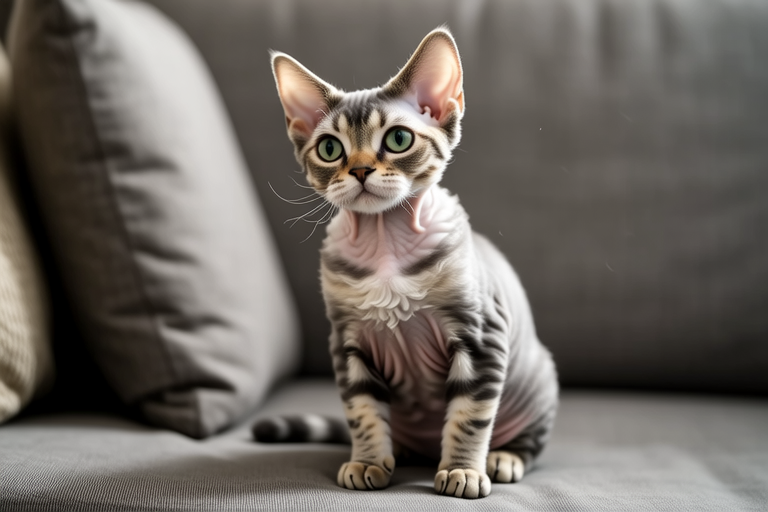
Devon Rex Cats: More Than Just Another Pretty Face
The Devon Rex is a breed of cat known for its unique appearance and engaging personality. While many people may be drawn to the breed due to its distinctively curly coat and large ears, there is much more to these felines than meets the eye. This article explores the unique physical traits that distinguish Devon Rex cats from other breeds, their distinctive personalities, intelligence, and social behavior. Additionally, it covers the origins, history, grooming needs, common health issues, and provides tips for potential owners.
Origins and History
The Devon Rex breed originated in England during the mid-20th century. In 1960, a feral cat with a curly coat and large ears was discovered near Buckfastleigh, Devon. This cat, named Kirlee, mated with a local female cat, producing kittens with similar characteristics. One of these kittens, Bascot, became the foundation sire for the breed.
The breed gained popularity quickly due to its unique appearance and playful demeanor. By the late 1960s, Devon Rex cats were being exported to North America and other parts of Europe. Today, the breed is recognized by most major cat registries, including The International Cat Association (TICA), the Cat Fanciers’ Association (CFA), and the Governing Council of the Cat Fancy (GCCF).
Unique Physical Traits
Devon Rex cats are easily recognizable due to their distinctive physical traits. Their most notable feature is their curly, short, and fine coat, which is often compared to that of a lamb. Unlike some other curly-coated breeds, the Devon Rex’s fur lacks an undercoat, making it less likely to shed excessively.
Another defining characteristic of Devon Rex cats is their large, bat-like ears, which are set low on their heads. These ears are highly mobile and can rotate independently, allowing the cat to hear sounds from different directions. Their large eyes, often green or gold, add to their expressive and intelligent appearance.
Devon Rex cats also have long limbs and a slender body, giving them a graceful and athletic appearance. Their toes are webbed, which contributes to their agility and makes them excellent climbers and jumpers.
Distinctive Personalities and Intelligence
Devon Rex cats are known for their friendly and outgoing personalities. They are often described as “dog-like” in their behavior, as they enjoy following their owners around the house, playing fetch, and even walking on a leash. They are highly social animals that thrive on human interaction and attention.
These cats are also known for their intelligence and problem-solving abilities. Many Devon Rex owners report that their cats can open doors, cabinets, and even refrigerators. They are curious and inquisitive, always exploring their surroundings and investigating new objects. This intelligence, combined with their playful nature, makes them excellent companions for families with children or other pets.
Devon Rex cats are highly adaptable and can adjust to various living situations. Whether you live in a small apartment or a large home, these cats will find ways to entertain themselves and make the most of their environment. They are particularly fond of climbing and perching on high surfaces, so providing them with plenty of vertical space is important.
Grooming Needs
Despite their short and fine coat, Devon Rex cats still require regular grooming. Their lack of undercoat means that they do not shed as much as other breeds, but they can still benefit from weekly brushing to remove loose hairs and prevent matting. Using a soft-bristled brush or a rubber grooming glove is recommended.
Bathing is generally not necessary for Devon Rex cats, as their coat is naturally oil-free. However, if your cat gets into something messy or develops a skin condition, a gentle bath with a cat-safe shampoo may be required. It’s important to use warm water and avoid getting soap in the cat’s ears or eyes.
Regular dental care is also essential for Devon Rex cats, as they are prone to dental problems. Brushing their teeth at least once a week and providing them with dental treats or toys can help maintain good oral hygiene.
Common Health Issues
While Devon Rex cats are generally healthy, they are susceptible to certain genetic conditions. One of the most common issues is patellar luxation, a condition where the kneecap dislocates from its normal position. This can cause pain and lameness, especially in younger cats. Regular check-ups with a veterinarian can help catch this condition early and provide appropriate treatment.
Devon Rex cats are also prone to progressive retinal atrophy (PRA), a degenerative eye disease that can lead to blindness. Genetic testing is available for PRA, and responsible breeders screen their cats for this condition before breeding.
Due to their curly coat, Devon Rex cats may be more prone to skin allergies or sensitivities. Providing them with a hypoallergenic diet and avoiding harsh chemicals or perfumes can help reduce the risk of skin irritation.
Tips for Potential Owners
If you’re considering adopting a Devon Rex cat, there are several things to keep in mind. First and foremost, these cats require a lot of attention and interaction. They are not suitable for households where they will be left alone for long periods of time. If you work long hours or travel frequently, you may want to consider a different breed.
Devon Rex cats are highly active and playful, so it’s important to provide them with plenty of toys and activities to keep them entertained. Puzzle feeders, interactive toys, and climbing structures can help satisfy their curiosity and energy levels.
Due to their large ears, Devon Rex cats are more susceptible to ear infections. Regular cleaning and checking for signs of infection, such as redness, discharge, or odor, is important. If you notice any of these symptoms, consult your veterinarian for proper treatment.
Anecdotes and Studies
One study conducted by animal behaviorists found that Devon Rex cats are more likely to engage in interactive play with their owners compared to other breeds. This study involved observing cats during play sessions and recording their level of engagement. The results showed that Devon Rex cats were more likely to initiate play, respond to cues, and exhibit positive emotions during these interactions.
Another anecdote comes from a family who adopted a Devon Rex kitten. The kitten, named Charlie, quickly became the center of attention in the household. Not only did he follow his owners around, but he also learned to open doors and cabinets. His intelligence and adaptability made him a beloved member of the family, and his playful nature brought joy to everyone who interacted with him.
Conclusion
Devon Rex cats are more than just another pretty face. Their unique physical traits, distinctive personalities, intelligence, and social behavior make them stand out among other breeds. While they require regular grooming and may be prone to certain health issues, their adaptability and affectionate nature make them excellent companions for the right owner. Whether you’re an existing Devon Rex owner or considering adopting one, these cats are sure to bring joy and entertainment to your life.
