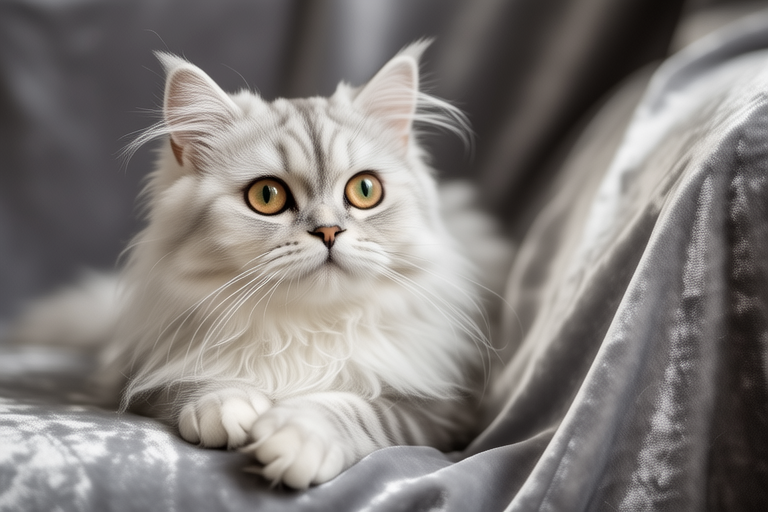
Silver Splendor: Inside the World of British Shorthair Cats
British Shorthair cats have long been celebrated for their distinct appearance and regal demeanor. Among these majestic felines, the silver variety stands out with its shimmering coat and striking eyes, making it a favorite among cat enthusiasts. This article delves into the world of British Shorthair cats, focusing particularly on the silver variety, exploring their history, temperament, health, and care requirements. We will also examine their growing popularity and the current trends within the breed.
A Distinctive Appearance and Rich History
The British Shorthair is one of the oldest cat breeds, originating from domestic shorthair cats that were brought to Britain by the Romans. Over centuries, they developed a robust, sturdy build and a thick, plush coat that is highly adaptable to various climates. The silver British Shorthair, with its silvery-gray fur, has become particularly popular due to its elegant and distinguished look.
This breed’s history is closely tied to the British Empire’s expansion and the development of cat shows in the 19th century. Initially, the breed was primarily used for pest control, but it soon gained recognition for its beauty and temperament. By the mid-1800s, the British Shorthair had become a staple at cat shows, winning numerous awards for its unique appearance and gentle nature.
Temperament and Suitability as Pets
British Shorthairs are known for their calm and affectionate personalities, making them excellent companions for families and individuals alike. Their laid-back demeanor and love for lounging around make them perfect for households where people spend much time at home. They are generally patient with children and other pets, which is why they are often referred to as “gentle giants.”
Anecdotes from pet owners highlight the breed’s adaptability. One family shared how their British Shorthair, named Luna, quickly became the center of attention during family gatherings. Her presence was calming, and she would often curl up next to visitors, offering comfort and warmth. Studies have also shown that these cats tend to bond deeply with their human families, providing emotional support and companionship.
Health, Common Ailments, and Care Tips
While generally healthy, British Shorthairs can be prone to certain genetic conditions. Hip dysplasia, hypertrophic cardiomyopathy (HCM), and polycystic kidney disease (PKD) are some of the most common issues. Regular veterinary check-ups and a balanced diet can help manage these conditions effectively.
Care for a British Shorthair involves regular grooming to maintain their thick coats. Brushing them once or twice a week helps prevent matting and removes loose hair, which can otherwise lead to digestive issues if swallowed. Additionally, maintaining a clean litter box and providing a stimulating environment with toys and scratching posts are essential for their overall well-being.
Popularity and Current Trends
The British Shorthair’s popularity has surged in recent years, thanks in part to social media platforms where their adorable faces and luxurious coats are often showcased. Their growing fame has led to increased interest in breeding programs, ensuring the continuation of this beloved breed.
Current trends within the British Shorthair community include the introduction of new color variations and patterns. Breeders are experimenting with different combinations to create unique and eye-catching looks while maintaining the breed’s traditional characteristics. Moreover, there is a growing emphasis on ethical breeding practices, ensuring that each cat is healthy and well-cared for.
Conclusion
The British Shorthair, especially the silver variety, continues to captivate hearts with its stunning appearance and gentle nature. Whether you’re a seasoned cat owner or considering adopting your first pet, this breed offers a rewarding experience. With proper care and attention, a British Shorthair can provide years of companionship and joy. As the breed’s popularity grows, so does the commitment to preserving its health and heritage, ensuring that future generations will continue to admire and cherish these magnificent creatures.
