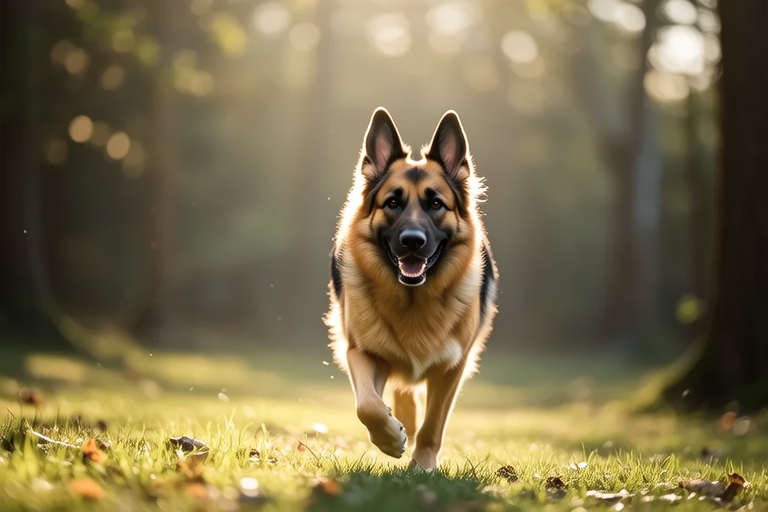
5 Surprising Facts About German Shepherds You Didn’t Know
German Shepherds have long been celebrated for their intelligence, loyalty, and versatility. These majestic dogs are one of the most popular breeds in the world, often found working as police dogs, service animals, and companions. Their ability to adapt to various roles makes them indispensable in law enforcement, search and rescue, and even as therapy animals. Beyond their well-known roles, German Shepherds possess a range of lesser-known traits that make them truly unique. In this article, we explore five surprising facts about German Shepherds that you may not have known, shedding light on their fascinating history, health, and behavior.
Fact 1: The Origin of the Name
The name ‘German Shepherd’ can be a bit misleading. Contrary to what many might assume, the breed was not originally named after its country of origin, but rather after its primary function. The breed was developed in Germany at the end of the 19th century by Captain Max von Stephanitz, who sought to create a dog that could herd sheep. The term ‘Shepherd’ refers to the dog’s role in herding livestock, particularly sheep. This focus on functionality over national identity underscores the breed’s practical origins and its enduring utility. Despite the breed’s international fame, it remains true to its roots, showcasing exceptional herding abilities alongside its more recognized roles.
Fact 2: Exceptional Sense of Smell
German Shepherds are renowned for their remarkable sense of smell, which is second only to that of bloodhounds. Their olfactory capabilities are so advanced that they can detect minute traces of substances, making them invaluable in search and rescue operations, drug detection, and bomb-sniffing duties. This heightened sense of smell is attributed to their large number of scent receptors—up to 220 million compared to a human’s 5 million. Studies have shown that German Shepherds can identify scents from objects that have been handled days ago, making them highly effective in tracking missing persons or locating hidden items. Their olfactory prowess is a testament to their evolutionary adaptation to serve humans in various capacities.
Fact 3: The Role of Genetics in Behavior
While German Shepherds are generally known for their protective and obedient nature, the genetic makeup of individual dogs within the breed can significantly influence their behavior. Research has shown that specific genes are linked to aggression and fearfulness, traits that can vary widely among different lines of German Shepherds. For instance, dogs bred primarily for show purposes may exhibit less aggression than those bred for working roles. Understanding these genetic factors is crucial for potential owners to ensure they select a dog whose temperament aligns with their lifestyle. Genetic testing can provide insights into a dog’s behavioral tendencies, helping match individuals with appropriate training and care.
Fact 4: Health Challenges and Lifespan
Despite their robust appearance, German Shepherds face several health challenges that can impact their lifespan and quality of life. Hip dysplasia is one of the most common issues, affecting approximately 20% of the breed. This condition, characterized by a malformation of the hip joint, can lead to severe arthritis and mobility problems. Another significant concern is degenerative myelopathy, a neurological disorder that affects the spinal cord and can cause paralysis. These health issues highlight the importance of responsible breeding practices to reduce the incidence of inherited conditions. On average, German Shepherds live between 9 and 13 years, though proper care and early intervention can extend this range. Regular veterinary check-ups and a balanced diet are essential to maintaining their health.
Fact 5: Versatility in Training
German Shepherds are incredibly versatile in training, excelling in a wide range of tasks beyond their traditional roles. They are frequently trained as therapy dogs, providing emotional support to people in hospitals, nursing homes, and schools. Their calm demeanor and gentle nature make them ideal for these environments. Additionally, their intelligence allows them to learn complex commands quickly, enabling them to participate in competitive obedience trials and agility competitions. The adaptability of German Shepherds in diverse training scenarios underscores their potential as multi-purpose dogs. Their ability to excel in various fields demonstrates the depth of their trainable skills and the variety of ways they can contribute positively to society.
Conclusion: A Unique and Adaptable Breed
German Shepherds are more than just loyal companions; they are adaptable, intelligent, and versatile dogs with a rich history and unique characteristics. From their functional naming to their exceptional sense of smell and versatile training capabilities, these dogs continue to amaze and serve humanity in countless ways. While they face certain health challenges, their resilience and dedication to their roles make them invaluable. Whether you’re considering adding a German Shepherd to your family or simply admire these magnificent creatures, there is always more to discover about this beloved breed. Exploring the world of dog breeds can open up new perspectives on the incredible diversity and capabilities of our four-legged friends, enriching our understanding and appreciation of them.
