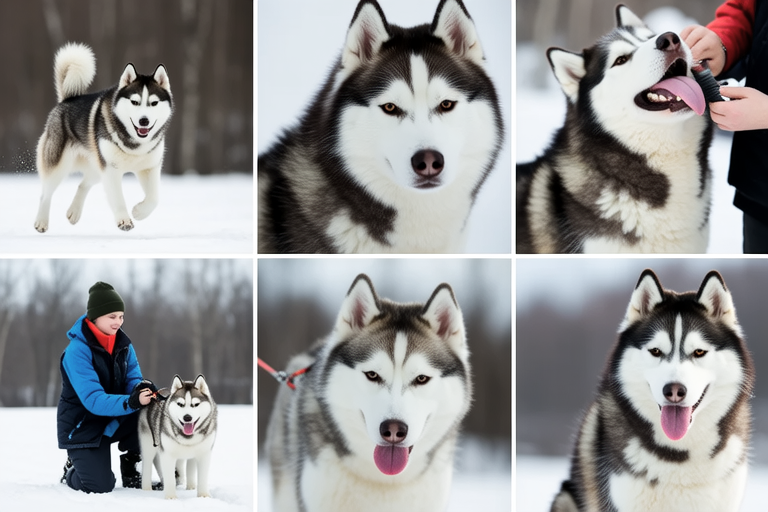
Top 10 Myths About Siberian Huskies Debunked Once and For All
Siberian Huskies have captured the hearts of many with their striking blue eyes and wolf-like appearance. However, these beautiful dogs are often misunderstood due to a variety of myths that circulate among both dog enthusiasts and the general public. In this article, we will debunk the top 10 myths about Siberian Huskies, providing you with accurate information to help you better understand and care for these magnificent creatures.
Myth 1: Siberian Huskies Are Aggressive Dogs
Misconception: Many people believe that Siberian Huskies are aggressive and dangerous due to their powerful build and wolf-like appearance.
Reality: Siberian Huskies are generally friendly and gentle dogs. They were originally bred as sled dogs, which required them to be cooperative and sociable with humans and other animals. According to the American Kennel Club (AKC), Siberian Huskies are known for their amiable nature and are rarely aggressive unless provoked. Proper socialization from an early age can further enhance their friendly demeanor.
Myth 2: Siberian Huskies Don’t Need Regular Exercise
Misconception: Some think that because Siberian Huskies are used to cold climates, they don’t need much exercise.
Reality: Siberian Huskies are incredibly energetic and require regular physical activity to maintain their health and happiness. These dogs were bred to pull sleds over long distances, making them highly active. The AKC recommends at least one hour of daily exercise for Siberian Huskies. This can include running, hiking, or playing games like fetch. Without adequate exercise, they may become destructive or develop behavioral issues.
Myth 3: Siberian Huskies Are Easily Trained
Misconception: It’s commonly believed that Siberian Huskies are easy to train because they are intelligent.
Reality: While Siberian Huskies are indeed intelligent, they can be challenging to train due to their independent nature. Their strong-willed personality means they may not always follow commands immediately. Consistent, positive reinforcement training methods are recommended. Training should start early, and it’s important to keep sessions short and engaging to hold their attention.
Myth 4: Siberian Huskies Are Not Suitable for Apartment Living
Misconception: People often assume that Siberian Huskies need large spaces to run around, making them unsuitable for apartment living.
Reality: With sufficient exercise, Siberian Huskies can adapt to apartment living. However, it’s crucial to ensure they get enough physical activity to prevent boredom and destructive behavior. Regular walks and playtime in a safe outdoor area are essential. Additionally, providing mental stimulation through interactive toys and puzzles can help keep them engaged and happy in smaller living spaces.
Myth 5: Siberian Huskies Only Thrive in Cold Climates
Misconception: There’s a belief that Siberian Huskies can only live comfortably in extremely cold environments.
Reality: Siberian Huskies are well-adapted to cold weather thanks to their thick double coat, but they can also thrive in warmer climates if properly cared for. They do need access to shade and cool water in hot weather. Grooming their coat regularly during warmer months helps manage their body temperature. Ensuring they have a cool place to rest and monitoring their activity level during heatwaves are key to keeping them comfortable.
Myth 6: Siberian Huskies Are Always Blue-Eyed
Misconception: Many people think all Siberian Huskies have blue eyes.
Reality: While blue eyes are common in Siberian Huskies, they can also have brown eyes or even heterochromia (two different colored eyes). The breed standard allows for various eye colors, including shades of brown, blue, and combinations thereof. Heterochromia is particularly striking and is seen in some individuals.
Myth 7: Siberian Huskies Are Naturally Good Watchdogs
Misconception: Some believe that Siberian Huskies are natural watchdogs due to their alertness.
Reality: Siberian Huskies are not typically considered good watchdogs. While they are alert and aware of their surroundings, they are more likely to greet strangers with curiosity rather than aggression. Their friendly nature makes them less inclined to bark or act aggressively towards visitors. If you’re looking for a dog primarily for protection, you might want to consider breeds specifically bred for this purpose.
Myth 8: Siberian Huskies Are Low-Maintenance in Terms of Grooming
Misconception: It’s often thought that Siberian Huskies require minimal grooming due to their dense fur.
Reality: Siberian Huskies have a thick double coat that sheds heavily twice a year. Regular brushing, especially during shedding seasons, is necessary to prevent matting and reduce the amount of hair in your home. Bathing should be done sparingly, as frequent bathing can strip their coat of its natural oils. Professional grooming may also be beneficial for maintaining their coat’s health and appearance.
Myth 9: Siberian Huskies Are Born Runners and Require Minimal Guidance
Misconception: Some believe that Siberian Huskies are natural runners who don’t need guidance or training.
Reality: While Siberian Huskies are born with a strong desire to run, they still require proper guidance and training. Running without supervision can lead to injuries or getting lost. Leash training and teaching basic commands are essential to ensure their safety. Additionally, introducing them to various terrains and conditions gradually can help prepare them for longer runs and more complex environments.
Myth 10: Siberian Huskies Are Expensive to Maintain
Misconception: There’s a perception that Siberian Huskies are expensive to own due to their specific dietary and exercise needs.
Reality: While there are costs associated with owning any dog, Siberian Huskies can be affordable if you plan ahead. Feeding a high-quality diet and ensuring regular veterinary care are important, but these expenses are similar to those for other medium to large-sized breeds. The key to managing costs effectively is to research reputable breeders, budget for necessary supplies, and be prepared for ongoing expenses such as food, grooming, and occasional medical treatments.
In conclusion, Siberian Huskies are wonderful companions with unique needs and characteristics. By understanding the truth behind these common myths, you can make informed decisions about whether a Siberian Husky is the right fit for your lifestyle. Remember, every dog is an individual, so take the time to learn about their specific requirements and enjoy the rewarding relationship that comes with being a responsible pet owner.
