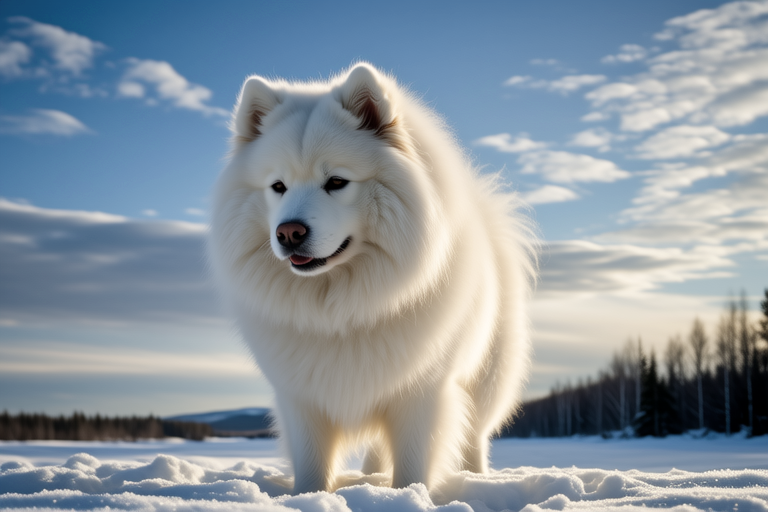
From Siberia with Love: The Ultimate Samoyed Guide
Welcome to the world of the Samoyed, a breed that has captured hearts with its striking white coat and warm, friendly demeanor. Originating from the icy landscapes of Siberia, these dogs have been companions to indigenous tribes for centuries, serving as herders, sled-pullers, and loyal protectors. Their distinctive appearance, coupled with their intelligence and gentle nature, makes them a favorite among dog lovers worldwide.
The Origins of the Samoyed
The Samoyed breed traces its roots back to the Nenets people, who lived in the harsh, snowy regions of Siberia. These nomadic tribes relied heavily on the Samoyed for survival. The dogs were used for herding reindeer, pulling sleds, and even keeping their human companions warm at night by sleeping close to their tents. The Samoyed’s ability to thrive in such extreme conditions is a testament to their resilience and adaptability.
One of the most striking features of the Samoyed is its plush, double-layered coat. This coat serves multiple purposes, providing insulation against the biting cold winds and snow. The outer layer consists of long, straight guard hairs, while the undercoat is dense and woolly, offering excellent protection. Their signature smile, often referred to as a ‘Sammy grin,’ adds to their endearing charm.
Physical Characteristics and Temperament
Samoyeds are medium-sized dogs, typically weighing between 35 to 65 pounds and standing about 19 to 23 inches tall at the shoulder. They are muscular and agile, capable of performing tasks that require both strength and endurance. Their bodies are well-suited for the demanding work they once performed in the frozen tundra.
Beyond their physical prowess, Samoyeds are known for their friendly and sociable temperaments. They are affectionate towards both humans and other animals, making them ideal family pets. However, their high energy levels mean they need plenty of mental and physical stimulation to stay happy and healthy.
Intelligence plays a significant role in the Samoyed’s behavior. They are quick learners and can be trained to perform various tasks. Yet, their independent streak can sometimes pose challenges during training sessions. Patience and consistency are key when working with this breed.
Care Tips for Samoyed Owners
Nutrition
Feeding your Samoyed a balanced diet is crucial for maintaining their health and vitality. High-quality dog food, rich in proteins and fats, is recommended. Consult with your veterinarian to determine the appropriate amount of food based on your dog’s age, weight, and activity level. Avoid overfeeding, as obesity can lead to health complications.
Grooming
The Samoyed’s thick coat requires regular grooming to prevent matting and ensure hygiene. Brushing should be done at least twice a week, increasing to daily during shedding seasons. Bathe your Samoyed only when necessary, as frequent bathing can strip the coat of its natural oils. Additionally, pay attention to their teeth, nails, and ears to keep them in good condition.
Exercise Needs
Samoyeds are energetic dogs that require ample exercise to burn off excess energy and maintain their muscle tone. Daily walks, runs, or play sessions in a secure area are essential. Providing opportunities for mental stimulation through interactive toys and puzzles can also help keep them engaged.
Common Health Issues
Like all breeds, Samoyeds are prone to certain health issues. Hip dysplasia, progressive retinal atrophy, and hypothyroidism are some of the more common concerns. Regular veterinary check-ups can help detect and manage these conditions early. Maintaining a healthy lifestyle, including proper diet and exercise, can contribute to their overall well-being.
Training Techniques for Samoyeds
Training a Samoyed requires a balanced approach that combines positive reinforcement and consistent boundaries. Start with basic commands like ‘sit,’ ‘stay,’ and ‘come.’ Use treats and praise to reward desired behaviors. Keep training sessions short and fun to maintain their interest. Socialization is equally important; expose your Samoyed to various environments and people from an early age to build confidence and good manners.
Why Samoyeds Make Excellent Family Pets
Samoyeds are not just beautiful to look at; they are wonderful companions. Their loyalty and affection make them excellent family pets. They get along well with children and other pets, creating a harmonious household environment. Their playful nature brings joy and laughter to every day, while their protective instincts provide a sense of security.
Notable Personalities and Roles in Popular Culture
The Samoyed has made appearances in various forms of media, from literature to film. One of the most famous Samoyed characters is Balto, the heroic sled dog in the animated film of the same name. Balto’s story highlights the breed’s strength and bravery, inspiring admiration and respect.
In addition to fictional portrayals, real-life Samoyeds have also gained recognition. For instance, the Samoyed named Sam was featured in the 1980 Winter Olympics opening ceremony, representing the Soviet Union. This moment showcased the breed’s international appeal and cultural significance.
Whether you’re a seasoned dog owner or considering adding a Samoyed to your family, understanding their origins, characteristics, and care requirements will help you provide the best possible life for your furry friend. Embrace the journey of owning a Samoyed, and enjoy the love and companionship they bring into your home.
