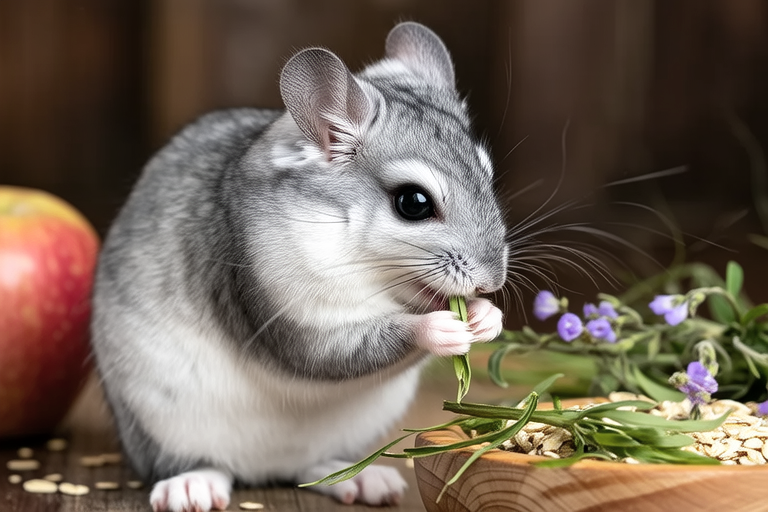
Chinchilla Diet Decoded: What They Love to Eat Most
Welcome to the fascinating world of chinchillas! These small, fluffy rodents have become increasingly popular pets due to their charming appearance and relatively low maintenance. However, one aspect of chinchilla care that requires careful attention is their diet. Understanding what your chinchilla loves to eat most is crucial for ensuring their health and longevity. This article will decode the chinchilla diet, providing you with all the information you need to keep your pet happy and healthy.
The Unique Digestive System of Chinchillas
Before delving into specific food items, it’s important to understand the unique digestive system of chinchillas. Chinchillas are herbivores with a specialized digestive tract designed to break down fibrous plant matter efficiently. Their stomachs are relatively simple compared to other herbivorous animals, but they possess a large cecum where bacteria ferment fiber, aiding digestion. This system allows them to extract maximum nutrients from their diet, which primarily consists of grasses and plants found in their natural habitat.
Essential Components of a Chinchilla’s Diet
Hay
Hay forms the cornerstone of a chinchilla’s diet. It provides the necessary roughage that keeps their digestive system functioning properly and helps prevent dental issues. Timothy hay is particularly recommended for adult chinchillas, while younger ones may benefit from alfalfa hay for its higher calcium content. Always ensure the hay is fresh, free from mold, and available at all times. A constant supply of hay encourages gnawing behavior, which is vital for maintaining their teeth in good condition.
Pellets
In addition to hay, chinchillas require a balanced diet of pellets specifically formulated for their nutritional needs. Look for high-quality pellets that list timothy hay as the primary ingredient and avoid those containing seeds, nuts, or dried fruit, as these can lead to obesity and other health problems. Pellets should be given in limited quantities, typically one to two tablespoons per day for an adult chinchilla. Overfeeding pellets can cause weight gain and disrupt the delicate balance of their digestive system.
Fresh Water
Water is essential for every living creature, including chinchillas. Provide clean, fresh water daily, preferably in a sipper bottle designed for small animals. Ensure the bottle is securely attached to the cage and check regularly for any blockages. Chinchillas drink less water than many other pets, but access to clean water is crucial for their overall health.
Treats: Safe Fruits and Vegetables
While hay and pellets should make up the bulk of a chinchilla’s diet, occasional treats can be rewarding and enjoyable. Fresh fruits and vegetables can be offered sparingly as treats, but only after ensuring they are safe and appropriate for chinchillas. Apples, bananas, carrots, and cucumbers are some examples of fruits and vegetables that can be given in small amounts. Always wash produce thoroughly before offering it to your pet and remove any seeds or pits that might pose a choking hazard.
Foods to Avoid
Despite their cute and cuddly appearance, chinchillas have very sensitive digestive systems, and certain foods can be harmful if ingested. Avoid feeding your chinchilla anything high in sugar or fat, such as chocolate, bread, or processed snacks. Common mistakes made by pet owners include offering dairy products, which can cause digestive upset, and nuts, which are too rich and fatty for their system. Additionally, avoid any foods that are not part of their natural diet, as these can lead to gastrointestinal issues and other health problems.
Tips for Maintaining a Healthy Diet
Maintaining a healthy diet for your chinchilla involves more than just providing the right types of food. Monitoring portion sizes and observing changes in eating habits are equally important. Pay close attention to how much your chinchilla consumes each day and adjust accordingly. If you notice any significant changes in appetite or weight, consult a veterinarian immediately.
Creating a routine for feeding times can also help establish consistency and predictability, which is comforting for chinchillas. Finally, regular veterinary check-ups are essential to monitor your pet’s overall health and catch any potential issues early.
In conclusion, understanding the dietary needs of chinchillas is key to providing them with a happy and healthy life. By focusing on the essentials—hay, pellets, and fresh water—and being mindful about treats and avoiding harmful foods, you can ensure your chinchilla enjoys a balanced and nutritious diet. With proper care and attention, your pet will thrive, bringing joy and companionship to your home for years to come.
