From Pet Store Curiosity to Loved Companion: Transforming Your View on Chilean Rose Tarantulas
Welcome to a journey that transforms your view on one of the most intriguing creatures in the pet world – the Chilean rose tarantula. Often dismissed as mere curiosities in pet stores, these captivating arachnids are more than just another exotic pet. They are gentle, fascinating companions with unique appearances and behaviors that make them stand out among other pets.
The Initial Intrigue and Misconceptions
When you first set foot into a pet store, the sight of a Chilean rose tarantula can be both intriguing and intimidating. Their spiky legs, dark bodies, and unsettling movements may trigger fear or curiosity in potential owners. Many people are deterred by the common misconception that all tarantulas are aggressive and dangerous. However, the Chilean rose tarantula is quite the opposite. Known for its docile nature and manageable size, this species is one of the best options for first-time tarantula owners.
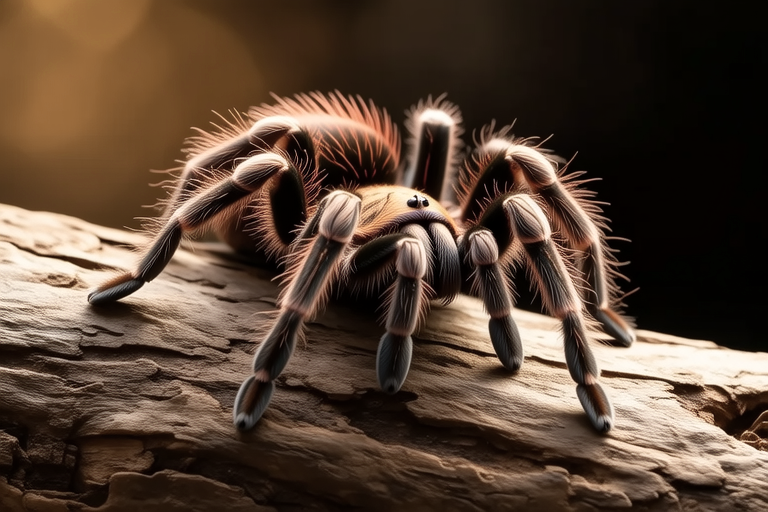
One of the reasons behind the initial intrigue is their striking appearance. These tarantulas have a beautiful pinkish hue on their abdomen, which contrasts with their dark legs. This coloration gives them their name, as the pink color resembles the rose color found in deserts. Despite their intimidating appearance, they are actually quite shy and prefer to avoid confrontation. In fact, they are known to flick urticating hairs from their abdomen when threatened, which can cause irritation to their predator but is not harmful to humans.
Appearance and Common Behaviors
The Chilean rose tarantula has a distinct look that makes it stand out among other spider species. They are medium-sized spiders, growing up to 5 inches in length. Their legs are covered with fine hairs, and their bodies are adorned with the aforementioned pinkish coloration. Their eyesight is poor, so they rely heavily on their sense of touch to navigate their environment. This means they are not likely to rush at you or attack without provocation.
These tarantulas exhibit interesting behaviors that add to their charm. One of the most fascinating aspects of owning a Chilean rose tarantula is watching them molt. During this process, they shed their exoskeleton to grow. This can take several hours, and during this time, the tarantula is very vulnerable. It’s important to minimize handling and disturbances during this period. Another behavior worth noting is their tendency to dig burrows. Providing a substrate that allows for burrowing will keep your tarantula happy and engaged.
Despite their calm demeanor, Chilean rose tarantulas are nocturnal creatures. They are most active during the night, which can make it challenging to observe their behavior if you’re used to diurnal pets. However, with patience and careful observation, you’ll find that their nighttime activities are just as fascinating as any other pet’s daytime antics.
Care Requirements
Owning a Chilean rose tarantula requires specific care to ensure their health and well-being. The enclosure should be spacious enough to allow for movement and burrowing. A terrarium with a secure lid is ideal, as these tarantulas are excellent climbers and can escape if given the chance. The substrate should be at least 3-4 inches deep to facilitate burrowing and should consist of a material that retains moisture well, such as coconut fiber or peat moss.
Temperature and humidity are crucial factors in maintaining a healthy environment for your tarantula. The ideal temperature range is between 75-85°F (24-29°C), and the humidity level should be kept around 60-70%. A shallow water dish should be provided to help maintain humidity levels and provide hydration. Feeding is straightforward; these tarantulas are carnivorous and require a diet of live insects, such as crickets or mealworms. It’s essential to dust the food with calcium and vitamin supplements to ensure proper nutrition.
Handling your Chilean rose tarantula should be done with extreme caution. While they are generally docile, they can become stressed easily. Always support their entire body when handling, and avoid sudden movements that might startle them. Regular handling can help build trust between you and your pet, but it’s important to respect their boundaries and avoid overstimulation.
Personal Anecdotes and Transformation
My own journey with a Chilean rose tarantula began much like many others – with curiosity and a bit of fear. I remember the first time I held my tarantula, my heart raced as I felt its legs gently grasp my hand. Over time, however, I noticed a significant shift in my perception of this creature. What once seemed like a distant, almost alien being became a familiar presence in my home.
I recall one evening when I was sitting quietly next to its enclosure, watching it burrow into its substrate. As I observed its methodical digging, I realized how peaceful and calming the presence of a tarantula could be. There was no need for constant interaction or attention; simply knowing that it was there brought me comfort. This realization marked a turning point in my relationship with my tarantula. It went from being a fascinating yet distant pet to a cherished companion.
Fears and Myths About Tarantulas
Many people harbor fears and misconceptions about tarantulas, which often stem from misinformation or sensationalized media portrayals. One of the most common myths is that all tarantulas are highly venomous and deadly to humans. In reality, the venom of a Chilean rose tarantula is mild and poses no threat to human health. While a bite can be painful, similar to a bee sting, it is not life-threatening.
Another myth is that tarantulas are aggressive and prone to attacking. As mentioned earlier, these tarantulas are quite docile and prefer to avoid confrontation. Their defensive behaviors, such as flicking urticating hairs, are their way of protecting themselves rather than initiating an attack. Understanding these facts helps dispel the fear and hesitation many people feel about keeping tarantulas as pets.
The Rewarding Experience of Caring for Chilean Rose Tarantulas
Caring for a Chilean rose tarantula can be a deeply rewarding experience. These creatures offer a unique bond that is different from traditional pets. Their quiet presence, coupled with their fascinating behaviors, can bring a sense of peace and tranquility to your home. Watching them molt or burrow can be a mesmerizing experience, and each interaction offers a new opportunity to learn about their habits and preferences.
As you grow more comfortable with your tarantula, you’ll find that they become an integral part of your daily routine. Their presence can provide a sense of companionship, even if it’s not the same as interacting with a dog or cat. Many owners report feeling a deep connection with their tarantulas, and it’s easy to see why. These creatures are unique, intelligent, and full of surprises.
In conclusion, transforming your view on Chilean rose tarantulas from simple curiosities to cherished companions is a journey well worth taking. By understanding their appearance, behaviors, and care requirements, you can appreciate the beauty and complexity of these fascinating arachnids. With patience, respect, and a willingness to learn, you can create a rewarding and enriching relationship with your Chilean rose tarantula. Embrace the opportunity to connect with one of nature’s most intriguing creatures and discover the joy of having a beloved arachnid in your family.
