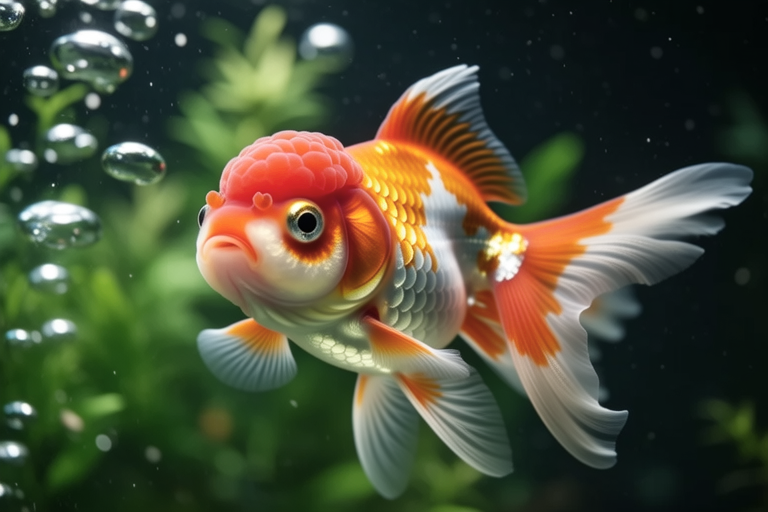
5 Myths About Goldfish You Need to Stop Believing
Goldfish are among the most popular pets globally, cherished for their vibrant colors and graceful movements. However, several myths about these aquatic creatures persist, often leading to misunderstandings about their needs and capabilities. This article aims to dispel five common myths about goldfish, providing scientifically-backed information to help you understand your fish better.
Myth 1: Goldfish Have Three-Second Memories
The idea that goldfish have a memory span of just three seconds is one of the most enduring myths about these fish. This misconception likely originated from the observation that goldfish can be trained to perform simple tasks, such as swimming through hoops or pressing buttons for food. However, this does not mean they have short-term memories.
Research conducted by Dr. Trevor Rose, a behavioral ecologist at the University of Plymouth, has shown that goldfish possess memories that last up to three months. They can remember the location of food sources, recognize familiar objects, and even learn from previous experiences. In one experiment, goldfish were trained to swim to a specific area of their tank for feeding. After a month-long break, they still remembered the correct path, demonstrating their capacity for long-term memory.
Understanding this aspect of goldfish behavior is crucial for their well-being. It allows them to adapt to their environment, find food more efficiently, and interact positively with their surroundings.
Myth 2: Goldfish Are Low-Maintenance Pets
Another widespread belief is that goldfish require minimal care compared to other pets. While it’s true that goldfish can survive in less-than-ideal conditions, they thrive when provided with appropriate care. Neglecting their needs can lead to health issues, including fin rot, swim bladder disorders, and premature death.
Adequate care for goldfish includes maintaining clean water, ensuring proper filtration, and providing a balanced diet. Goldfish produce a significant amount of waste, so regular water changes are essential to prevent the buildup of harmful toxins. Additionally, goldfish need a varied diet that includes pellets, flakes, and live or frozen foods to ensure they receive all necessary nutrients.
It’s also important to consider the size of the tank. Goldfish grow rapidly, and a small tank can quickly become overcrowded, leading to stress and health problems. Providing a spacious environment allows goldfish to swim freely and reduces the risk of diseases.
Myth 3: Goldfish Thrive in Small Bowls
One of the most damaging myths about goldfish is that they can live happily in small bowls. Many people believe that because goldfish are small, they don’t need much space. However, this is far from the truth. Goldfish are active swimmers that require ample room to move around and exercise.
Living in a small bowl can cause severe health issues for goldfish. The limited space restricts their movement, leading to stunted growth and developmental issues. Moreover, small containers lack sufficient surface area for adequate oxygen exchange, which can result in low oxygen levels in the water. This can cause stress and respiratory distress for the fish.
For optimal living conditions, goldfish should be housed in tanks that provide at least 20 gallons of water per fish. Larger tanks allow for better water circulation and filtration, which helps maintain water quality and reduces the risk of disease. Additionally, goldfish benefit from having plants, rocks, and other decorations that mimic their natural habitat, providing hiding spots and enriching their environment.
Myth 4: Goldfish Change Color Based on Environment
Many people believe that goldfish change color depending on their environment, diet, or mood. While it’s true that certain factors can influence a goldfish’s appearance, dramatic color changes are not common. Instead, genetic factors primarily determine a goldfish’s coloration.
Studies have shown that goldfish coloration is influenced by pigments in their skin, which are regulated by genes. Environmental factors such as lighting, temperature, and diet can slightly affect the intensity of these pigments but do not cause significant color shifts. For instance, goldfish exposed to high-intensity light may develop brighter colors due to increased pigment production.
It’s important to note that sudden changes in a goldfish’s color could indicate health problems. Stress, illness, or poor water quality can cause color fading or discoloration. If you notice any unusual changes in your goldfish’s appearance, it’s advisable to consult a veterinarian specializing in aquatic animals.
Myth 5: Goldfish Do Not Recognize Their Owners
The belief that goldfish cannot recognize their owners stems from their seemingly passive behavior and the lack of obvious communication. However, research has demonstrated that goldfish can indeed recognize and respond to human interaction.
In a study conducted by Dr. Alexandra S. Rosenthal, a behavioral scientist at the University of California, goldfish were trained to associate a specific sound with feeding time. Over several weeks, the fish learned to anticipate the sound and approach the feeding area. This experiment shows that goldfish can form associations between stimuli and rewards, indicating their ability to recognize patterns and respond accordingly.
While goldfish may not exhibit the same level of interaction as dogs or cats, they can still recognize their caregivers. Regular interaction, such as feeding at consistent times and places, can strengthen the bond between you and your goldfish. Observing their behavior during feeding times can provide insights into their preferences and responses.
Tips for Proper Goldfish Care
To ensure your goldfish lead healthy and fulfilling lives, follow these guidelines:
- Provide a Suitable Environment: Offer a spacious tank with adequate filtration and aeration. Decorate the tank with plants and hiding spots to create a stimulating environment.
- Maintain Clean Water: Perform regular water changes and monitor water parameters, such as pH, ammonia, and nitrite levels, to ensure optimal water quality.
- Feed a Balanced Diet: Provide a variety of foods, including pellets, flakes, and live or frozen foods, to meet your goldfish’s nutritional needs.
- Handle with Care: When moving your goldfish or cleaning the tank, handle them gently to avoid causing stress or injury.
- Observe Behavior: Pay attention to your goldfish’s behavior for signs of health issues or stress. Early detection can help address problems before they escalate.
By understanding the true nature of goldfish and providing them with the care they deserve, you can enjoy a rewarding relationship with these fascinating creatures. Remember, goldfish are intelligent, social animals that require attention and proper care to thrive.
