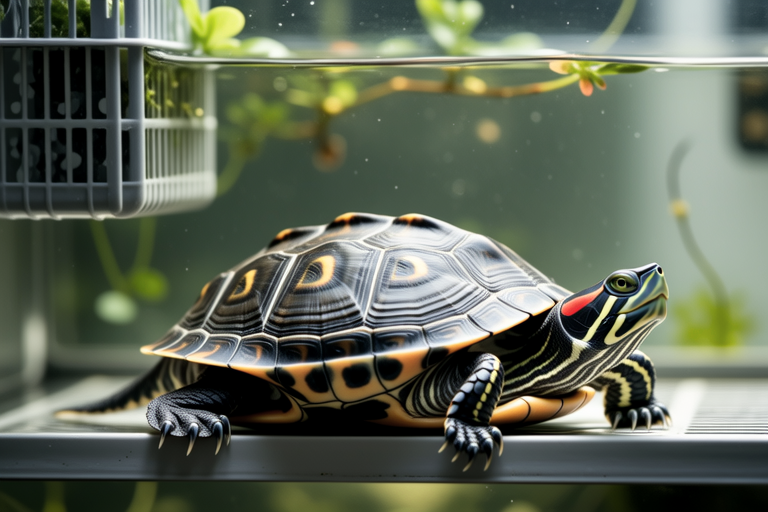
Common Myths Debunked: The Truth About Red-eared Slider Pet Ownership
The red-eared slider (Trachemys scripta elegans) is one of the most popular reptile pets globally. Known for their distinctive red markings behind their eyes, these turtles are often purchased by people looking for a low-maintenance pet. However, many misconceptions surround their care, leading to improper husbandry and, ultimately, the suffering of these animals. This article aims to debunk common myths and provide accurate information on what it truly takes to own a red-eared slider responsibly.
Understanding Red-Eared Sliders
Red-eared sliders are semi-aquatic turtles native to the southern United States and northern Mexico. They thrive in freshwater environments like ponds and lakes, where they spend time both swimming and basking. These turtles grow to an average size of 10-12 inches for females and 6-8 inches for males. Their lifespan can range from 20 to 40 years under optimal conditions, making them a long-term commitment.
Myth 1: Red-Eared Sliders Are Low-Maintenance Pets
One of the biggest misconceptions about red-eared sliders is that they are easy to care for. While they may seem simple at first glance, these turtles have specific environmental and dietary needs that must be met to ensure their health and well-being.
Habitat Needs
Contrary to popular belief, red-eared sliders require spacious habitats that mimic their natural environment. A single adult turtle needs at least 10 gallons of water per inch of shell length, meaning a fully grown female would need approximately 120 gallons of space. The tank should also include a basking area with UVB lighting and a heat source, as these turtles need warmth and light to regulate their body temperature and metabolism.
Dietary Requirements
Another aspect of their care involves feeding. Red-eared sliders are omnivores, requiring a balanced diet consisting of protein, vegetables, and fruits. Juvenile turtles should be fed daily, while adults can be fed every other day. High-quality commercial turtle pellets, leafy greens, and occasional treats like mealworms or feeder fish can make up their diet. It’s crucial to avoid overfeeding, as this can lead to obesity and other health problems.
Myth 2: Small Tanks Are Sufficient
Many new owners assume that a small aquarium will suffice for their red-eared slider. However, this is far from true. As mentioned earlier, these turtles need ample space to swim freely and maintain their physical health. Insufficient space can result in stress, stunted growth, and respiratory infections.
Myth 3: Indoor Housing Without Special Lighting Is Acceptable
Red-eared sliders rely on ultraviolet (UV) light to synthesize vitamin D3, which aids in calcium absorption for strong bones and shells. Without proper lighting, these turtles can develop metabolic bone disease, causing deformities and weakened shells. Therefore, providing UVB lighting alongside a heat lamp is essential for indoor setups.
Potential Health Issues
Improper care can lead to various health issues in red-eared sliders. Respiratory infections, shell rot, and parasites are common problems resulting from poor water quality, inadequate heating, or incorrect diets. Regular veterinary check-ups and maintaining clean living conditions are vital to prevent these issues.
Legal Considerations
Before acquiring a red-eared slider, it’s important to research local laws regarding exotic pet ownership. Some countries and regions prohibit or restrict the keeping of certain species, including red-eared sliders, due to concerns over invasive species or animal welfare. Additionally, some areas require permits or licenses for turtle ownership.
Tips for Responsible Pet Ownership
- Research thoroughly: Before bringing home a red-eared slider, learn about their specific needs and commit to providing them with a suitable environment.
- Provide adequate space: Ensure your turtle has enough room to swim and bask comfortably.
- Maintain cleanliness: Regularly clean the tank to prevent bacterial growth and keep the water fresh.
- Monitor health: Keep an eye out for signs of illness and consult a veterinarian if you notice any changes in behavior or appearance.
- Consider adoption: Many shelters and rescue organizations have red-eared sliders available for adoption.
Conclusion
Owning a red-eared slider can be a rewarding experience when done correctly. By understanding their unique requirements and committing to their care, you can provide your turtle with a happy and healthy life. Remember, these turtles are not just another pet; they are living creatures deserving of respect and proper attention. For more information on red-eared slider care, consider joining online forums or consulting books dedicated to turtle husbandry.
