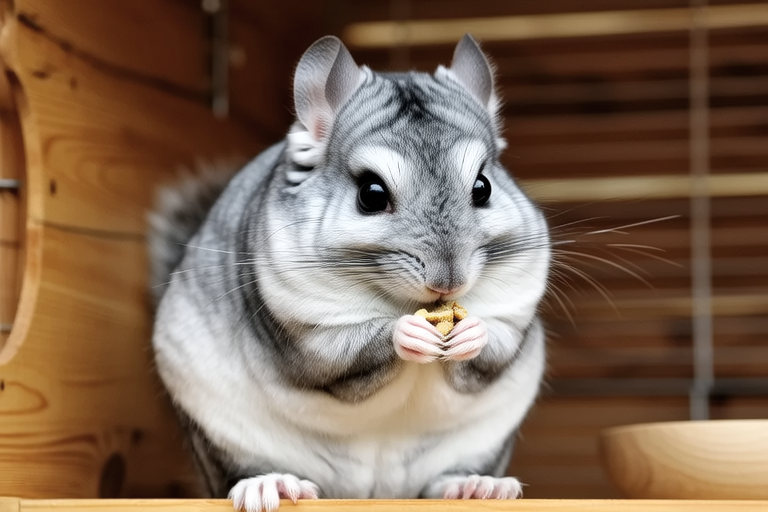
10 Adorable Habits You Never Knew About Chinchillas
Welcome to the fascinating world of chinchillas! These small, furry creatures are not only known for their plush, luxurious coats but also for their unique and charming behaviors. Originating from the Andes Mountains in South America, chinchillas have become popular pets due to their playful nature and striking appearance. With their big, curious eyes and soft, dense fur, they are undeniably adorable. In this article, we will explore 10 lesser-known adorable habits that make chinchillas one of the most delightful pets you can own.
1. The Dust Bath Enthusiasts
One of the most famous habits of chinchillas is their love for dust baths. Unlike water, which could damage their thick fur, chinchillas prefer to bathe in fine volcanic ash or special chinchilla dust. This practice helps them remove oils and dirt from their coat, keeping it clean and healthy. Owners often observe their chinchillas rolling around in the dust, making funny faces and shaking off the excess powder. Providing a dust bath area not only keeps your pet clean but also provides them with a fun activity.
2. Nighttime Playtime
Chinchillas are nocturnal animals, meaning they are most active during the night. This characteristic makes them perfect companions for those who work during the day and enjoy quiet evenings. Owners often report that their chinchillas are full of energy at night, running around their cages, climbing, and exploring new toys. This nocturnal activity can be a delightful surprise for new owners who were expecting more subdued pets.
3. Social Creatures
Despite their small size, chinchillas are quite social animals. In the wild, they live in colonies of up to 100 individuals. As pets, they thrive when provided with companionship. Chinchillas can bond strongly with their human owners, often showing affection through gentle nuzzles and soft chirps. They also enjoy the company of other chinchillas, and many owners choose to keep two or more together to ensure their pets’ happiness and well-being.
4. The Jumpers
Chinchillas are incredibly agile and are known for their impressive jumping abilities. In the wild, they use this skill to evade predators, leaping from rock to rock with remarkable precision. As pets, chinchillas continue to exhibit this natural talent, often surprising their owners with sudden leaps. Providing platforms and obstacles within their enclosures encourages this behavior, allowing them to display their natural athleticism.
5. The Chirpers
Communication is essential for any social animal, and chinchillas are no exception. They use a variety of vocalizations to express themselves, with chirping being one of the most common. Chinchillas chirp for various reasons, including excitement, curiosity, or to call out to their companions. Owners may notice their pets chirping when they see food, hear a familiar sound, or simply want attention. Understanding these sounds can help you better connect with your chinchilla.
6. The Gnawers
Chinchillas have continuously growing teeth, which means they need to gnaw on things to keep them trimmed and healthy. While this might seem like a drawback for owners, it’s actually a fascinating part of their behavior. Providing appropriate chew toys made of wood or cardboard allows your chinchilla to satisfy this instinct while preventing dental issues. Watching them enthusiastically gnaw on their toys is both entertaining and educational.
7. The Curious Explorers
Chinchillas are naturally curious animals, always eager to explore their surroundings. They will investigate every corner of their enclosure, sniffing, tasting, and sometimes even trying to climb on anything they find. This curiosity can lead to some amusing moments for owners, as their chinchillas discover new objects or rearrange their toys. Encouraging this exploration by offering new items periodically can stimulate their minds and keep them engaged.
8. The Sniffers
Smell plays a significant role in a chinchilla’s life. They use their keen sense of smell to navigate their environment, identify potential dangers, and communicate with other chinchillas. Owners may notice their pets sniffing everything, from their food to their owner’s hands. This behavior is not only cute but also gives insight into how chinchillas perceive the world around them. Paying attention to their reactions can help you understand what they like or dislike.
9. The Hiders
Despite their playful nature, chinchillas can also be quite shy and reserved. When feeling threatened or overwhelmed, they may seek refuge in enclosed spaces. Owners often find their chinchillas hiding in their bedding, under blankets, or in cozy corners of their enclosure. Providing safe hiding spots allows your chinchilla to feel secure and comfortable, which is crucial for their mental health.
10. The Purrers
One of the cutest habits of chinchillas is their ability to purr. Similar to cats, chinchillas can produce a low, rumbling sound when they are content or relaxed. Owners may hear this sound when their chinchilla is being petted, cuddled, or enjoying a dust bath. This purring is a sign of happiness and trust, and it’s a delightful way for chinchillas to express their positive emotions.
Tips for Owners
To ensure the happiness and health of your chinchilla, there are several ways you can encourage these adorable habits:
- Provide ample space: A spacious cage with multiple levels and platforms will allow your chinchilla to jump, climb, and explore freely. This setup mimics their natural habitat and promotes physical activity.
- Offer a variety of toys: Providing different types of toys, such as wooden blocks, tunnels, and chew sticks, will stimulate your chinchilla’s curiosity and provide opportunities for gnawing and exploration.
- Ensure regular dust baths: Regular access to a dust bath is essential for maintaining your chinchilla’s coat and overall hygiene. Make sure to use chinchilla-safe dust and change it frequently to prevent respiratory issues.
- Encourage social interaction: Spend time interacting with your chinchilla daily, handling them gently and providing positive reinforcement. If you have multiple chinchillas, ensure they have enough space and resources to coexist harmoniously.
- Create hiding spots: Offer enclosed areas where your chinchilla can retreat when feeling stressed or overstimulated. This will help them feel secure and reduce anxiety.
By understanding and nurturing these adorable habits, you can provide your chinchilla with a stimulating and enriching environment. Their playful, curious, and affectionate nature makes them truly unique and endearing pets. Enjoy the journey of getting to know your chinchilla and discovering all the wonderful aspects of their behavior.
