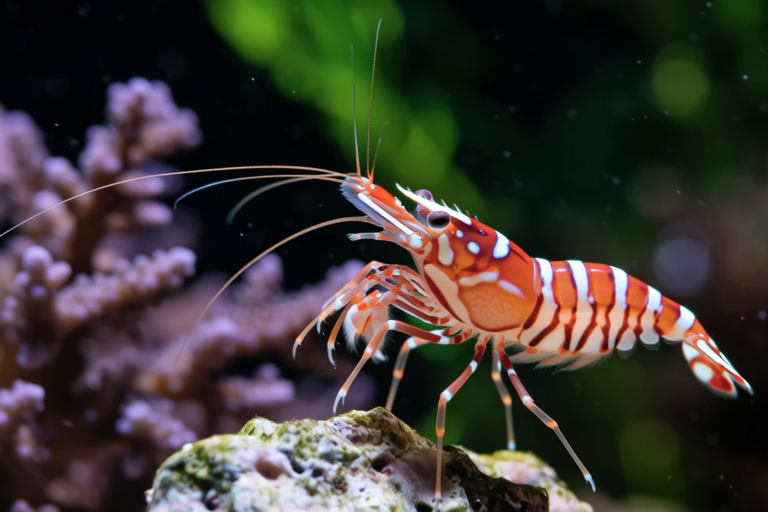
Unveiling the Secret World of Coral Shrimp: Care Tips for Happy Pets
Welcome to the fascinating world of coral shrimp! These small, vibrant creatures have captured the hearts of many aquarium enthusiasts. In this article, we’ll explore the diverse species of coral shrimp, their natural habitats, and why they make excellent pets. We’ll also delve into essential care tips, including diet, tank setup, water parameters, and common health issues. By the end, you’ll be well-equipped to provide your coral shrimp with a happy and healthy environment.
The Allure of Coral Shrimp
Coral shrimp, also known as cleaner shrimp, are a group of small crustaceans that belong to the family Hippolytidae. They come in various colors, from bright red to translucent white, making them a stunning addition to any saltwater aquarium. Their unique appearance is just one reason why they’re so popular among hobbyists. Another key factor is their role in maintaining the balance of the ecosystem within the tank.
In their natural habitat, coral shrimp can be found in the shallow waters of tropical and subtropical regions around the world. They live among coral reefs, rock formations, and seagrass beds, where they play an important role in keeping the ecosystem clean by feeding on algae, detritus, and parasites. This behavior makes them ideal candidates for saltwater aquariums, where they can help keep your tank clean and healthy.
Why Coral Shrimp Make Great Pets
For those considering adding coral shrimp to their aquarium, there are several reasons why these tiny crustaceans make excellent pets. First and foremost, they are relatively easy to care for, even for beginners. Their low-maintenance nature means that they require less attention than some other saltwater fish or invertebrates. Additionally, their peaceful demeanor makes them compatible with a wide range of tank mates, including clownfish, tangs, and other non-aggressive species.
Another appealing aspect of coral shrimp is their ability to adapt to different tank setups. Whether you have a reef tank, a mixed-species aquarium, or a dedicated shrimp-only system, coral shrimp can thrive in most environments. Their adaptability, combined with their aesthetic appeal, makes them a popular choice for both novice and experienced aquarists.
Diet and Feeding
Feeding coral shrimp is straightforward but requires attention to detail to ensure they receive a balanced diet. In the wild, coral shrimp are omnivores, feeding on algae, detritus, and small invertebrates. In captivity, it’s essential to replicate their natural diet as closely as possible. A combination of algae wafers, sinking pellets, and fresh vegetables like spinach or zucchini will provide the necessary nutrients. Additionally, supplementing their diet with occasional treats such as brine shrimp or bloodworms can enhance their overall health and coloration.
It’s important to note that overfeeding can lead to poor water quality and stress on the shrimp. Therefore, feed them only what they can consume within a few minutes. Regularly observe their eating habits to adjust the quantity accordingly. Proper nutrition is crucial for their growth and longevity, so maintaining a consistent feeding schedule is recommended.
Tank Setup and Environment
Creating an optimal environment for coral shrimp involves careful consideration of the tank setup. While coral shrimp can adapt to various tank sizes, providing them with ample space to explore and hide is beneficial. A minimum tank size of 20 gallons is recommended for a small group of shrimp. Larger tanks offer more room for exploration and reduce the likelihood of overcrowding, which can lead to stress and aggression.
In terms of substrate, coral shrimp prefer a sandy or fine-grained gravel base. This allows them to burrow and search for food particles. Decorations such as live rock, caves, and plants provide hiding spots and stimulate their natural behaviors. Live rock is particularly valuable as it serves as a source of microalgae and detritus, which coral shrimp naturally feed on.
Proper filtration is essential to maintain water quality. A high-quality filter with mechanical, chemical, and biological filtration capabilities ensures that harmful substances are removed while maintaining a stable environment. Regular water changes, typically 10-20% per week, help keep the water clean and prevent the buildup of toxins.
Water Parameters and Maintenance
Maintaining appropriate water parameters is critical for the health and well-being of coral shrimp. The ideal temperature range for most species is between 72°F and 82°F (22°C to 28°C). pH levels should be kept between 8.0 and 8.4, mimicking the alkaline conditions found in their natural habitat. Specific gravity should be maintained at approximately 1.023 to 1.025, representing the salinity of ocean water.
Adequate oxygenation is vital for coral shrimp. Ensure that your tank is equipped with a reliable air pump and airstone to promote gas exchange at the water surface. Regular monitoring of water parameters using test kits helps identify any deviations early, allowing for prompt adjustments.
Common Health Issues and Prevention
Like all living organisms, coral shrimp are susceptible to certain health issues. One common problem is parasitic infestations, which can cause lethargy, loss of appetite, and discoloration. Maintaining pristine water quality and regular tank maintenance can significantly reduce the risk of parasitic outbreaks. Quarantine new additions before introducing them to the main tank to prevent the spread of potential diseases.
Another issue to watch out for is molting, during which shrimp shed their exoskeleton. This process is normal but can be stressful for the shrimp. Providing ample hiding spots and ensuring proper nutrition can help ease this transition. It’s essential to avoid handling or disturbing the shrimp during molting, as this can increase the risk of injury or infection.
Ensuring Happiness and Longevity
To ensure the happiness and longevity of your coral shrimp, consider the following tips:
- Provide ample hiding spots: Ensure there are plenty of caves, crevices, and plants for your shrimp to explore and feel secure.
- Monitor water quality: Regularly test water parameters and perform water changes to maintain a stable environment.
- Offer a varied diet: Feed a mix of algae wafers, sinking pellets, and occasional treats to meet their nutritional needs.
- Observe behavior: Keep an eye on their activity levels and eating habits to detect any signs of distress early.
- Minimize stress: Avoid sudden changes in water parameters or tank decorations, as these can cause undue stress.
The Rewarding Experience of Keeping Coral Shrimp
Keeping coral shrimp as pets offers a rewarding experience that goes beyond mere aesthetics. Watching these tiny creatures go about their daily routines, cleaning the tank, and interacting with their environment can bring immense joy and satisfaction. Their presence adds a sense of tranquility and beauty to any aquarium, creating a peaceful oasis in your home.
As you embark on the journey of caring for coral shrimp, remember the importance of responsible pet ownership. Take the time to research and understand their specific needs, and commit to providing them with the best possible care. By doing so, you’ll not only enjoy the company of these delightful creatures but also contribute to their well-being and longevity.
In conclusion, coral shrimp are captivating and rewarding pets that bring a touch of the ocean’s magic into your home. With the right care and attention, they can thrive in your aquarium, offering years of enjoyment and companionship. Embrace the responsibility of pet ownership, and together, you and your coral shrimp can create a harmonious and thriving aquatic environment.
