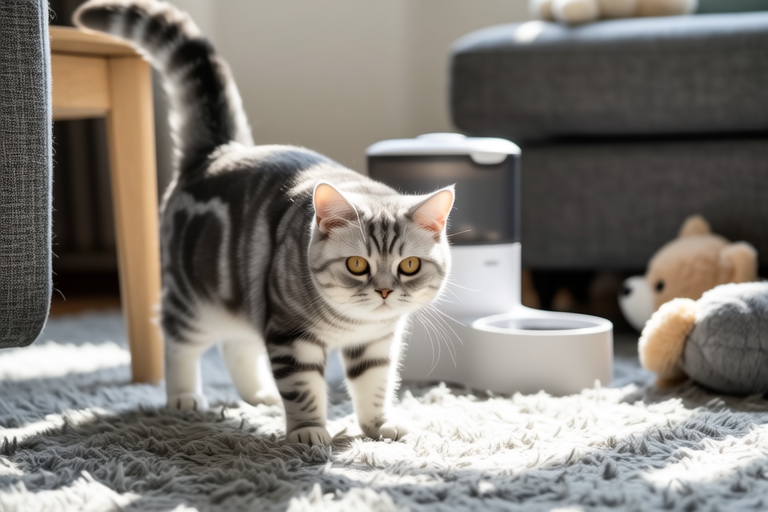
How to Care for Your Munchkin Pet Like a Pro!
Welcome to your comprehensive guide on caring for your Munchkin cat! These adorable, short-legged felines have captured the hearts of many pet lovers. In this article, we’ll explore various aspects of their care, including diet, exercise, health, grooming, behavior, and safety tips. Whether you’re a first-time owner or a seasoned caregiver, you’ll find valuable insights to help you provide the best possible life for your Munchkin.
Dietary Needs: Nourishing Your Munchkin
Munchkins require a balanced diet rich in proteins, fats, and carbohydrates. High-quality cat food, either wet or dry, tailored to their age and health status, is essential. Avoid overfeeding, as it can lead to obesity and related health issues. Consult your veterinarian for personalized feeding guidelines and consider adding supplements like taurine, which is vital for heart and eye health. Fresh water should always be available to keep your cat hydrated.
Exercise Routines: Keeping Them Active
Munchkins, despite their shorter legs, need regular physical activity to maintain muscle tone and overall health. Interactive play sessions with toys that stimulate their hunting instincts are ideal. Laser pointers, feather wands, and puzzle feeders are excellent choices. Encourage climbing by providing cat trees or shelves at different heights, ensuring they have safe areas to explore. Rotate toys frequently to prevent boredom and enhance engagement.
Health Concerns: Common Issues and Preventive Measures
While generally healthy, Munchkins may face certain health challenges due to their unique physique. Spinal problems and lordosis (a condition where the spine curves abnormally) can occur. Regular veterinary check-ups, including x-rays if necessary, can help monitor spinal health. Obesity is another concern, so monitor weight closely and adjust diet and exercise accordingly. Early detection and management of these conditions can significantly improve quality of life.
Grooming Advice: Maintaining Their Appearance
Munchkins come in both long-haired and short-haired varieties, each requiring different grooming routines. Long-haired Munchkins need daily brushing to prevent matting, while short-haired ones benefit from weekly brushing. Pay special attention to their coat’s condition during shedding seasons. Trim nails regularly to avoid scratching injuries and discomfort. Bathing should be infrequent but thorough when necessary. Regular dental hygiene is also crucial; brush their teeth with pet-safe toothpaste and provide chew toys to promote oral health.
Behavioral Traits: Understanding Your Munchkin
Munchkins are known for their playful and affectionate nature. They enjoy being around people and can adapt well to family life. However, they might exhibit some quirky behaviors due to their short legs. For instance, they tend to jump onto higher surfaces rather than climbing up. Socialization from an early age helps them become well-adjusted pets. Positive reinforcement training, using treats and praise, encourages good behavior and strengthens the bond between you and your cat.
Selecting Furniture and Toys: Creating a Safe and Fun Environment
Choose furniture that accommodates your Munchkin’s unique body structure. Provide ramps or steps to access elevated areas like beds or windowsills. Opt for sturdy, low-profile cat trees and scratching posts to accommodate their shorter stature. Select toys that stimulate their natural instincts, such as small plush toys or teaser wands. Ensure that any furniture or toys are stable and safe to prevent accidents.
Ensuring Safety: Home Environment Considerations
Create a safe space within your home for your Munchkin. Secure windows with screens to prevent falls. Install baby gates to restrict access to dangerous areas like stairways. Use pet-safe cleaning products and avoid toxic plants. Keep electrical cords out of reach to prevent chewing. Regularly check for potential hazards and address them promptly.
Building a Strong Bond: Positive Reinforcement Training
Positive reinforcement training is key to building a strong bond with your Munchkin. Reward desired behaviors with treats, praise, or playtime. Be patient and consistent, and avoid punishment-based methods. This approach fosters trust and enhances communication between you and your cat. Training sessions should be short and fun, keeping your Munchkin engaged and motivated.
Frequently Asked Questions
What are the signs of obesity in Munchkins?
Signs of obesity include difficulty moving, increased panting, and a visible layer of fat under the skin. If you notice these signs, consult your veterinarian for guidance on weight management.
Are Munchkins suitable for families with children?
Munchkins can be great companions for families with children, provided both parties understand how to interact safely. Supervise interactions to ensure gentle handling and respect for the cat’s boundaries.
How often should I take my Munchkin to the vet?
Annual check-ups are recommended, along with routine vaccinations and dental cleanings. More frequent visits may be necessary based on your cat’s health status.
Conclusion
Caring for a Munchkin cat is a rewarding experience filled with joy and companionship. By following these care tips, you can ensure your Munchkin lives a happy, healthy life. Remember, every cat is unique, so tailor your approach to suit your pet’s individual needs. With love, patience, and proper care, you’ll build a strong, lasting bond with your Munchkin.
