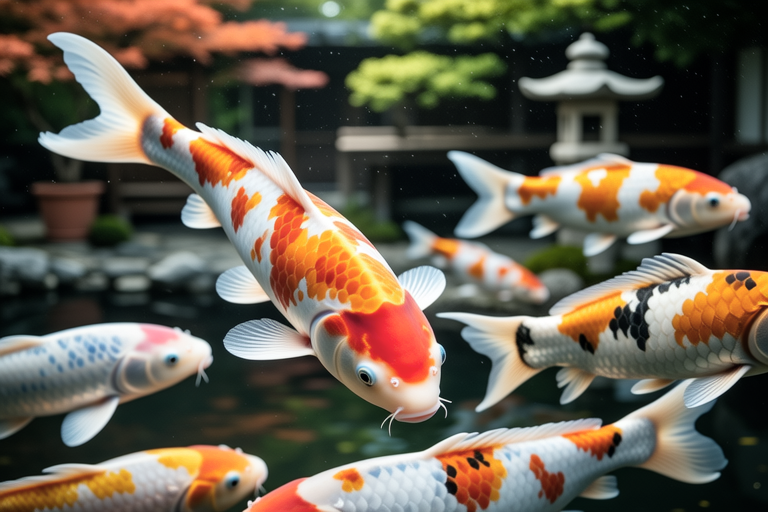
Unveiling the Secrets of Raising Vibrant Koi: A Complete Guide
Koi fish, known for their vibrant colors and graceful movements, have captivated the hearts of aquarists and pond enthusiasts worldwide. These hardy, freshwater fish are descendants of the common carp and have been selectively bred to exhibit a wide array of stunning patterns and colors. The art of raising koi is not just about keeping fish; it’s about creating a harmonious aquatic ecosystem that thrives under your care. Whether you’re a seasoned koi keeper or a novice looking to embark on this rewarding journey, understanding the intricacies of koi care is essential. This guide aims to provide you with all the necessary knowledge to ensure your koi live long, healthy, and colorful lives.
Selecting Healthy Koi
The foundation of any successful koi pond starts with choosing healthy fish. When purchasing koi, look for active fish that swim confidently around the tank. Avoid fish that appear lethargic or show signs of disease, such as frayed fins, clouded eyes, or abnormal growths. It’s also crucial to check the overall body condition of the koi; they should be plump but not bloated. Additionally, inspect the scales and skin for any signs of parasites or injuries. Always purchase from reputable dealers who maintain high standards in fish health and breeding practices.
Setting Up an Ideal Pond Environment
Creating the perfect home for your koi involves more than just digging a hole and filling it with water. A well-planned pond design ensures optimal living conditions for your fish. Start by selecting a location that receives partial sunlight, as too much direct sun can lead to excessive algae growth. The pond should be deep enough to allow the fish to escape harsh winter temperatures. Incorporate various levels of depth to create different habitats within the pond, which will encourage natural behaviors like spawning and hiding.
In addition to depth, consider incorporating plants into your pond setup. Aquatic plants not only enhance the aesthetic appeal but also provide oxygenation and filtration. Choose species that are compatible with koi, such as water lilies or lotus plants. These plants help control algae growth while offering shelter for the fish. Ensure there are sufficient hiding spots and resting areas for your koi, such as rocks, logs, or artificial structures.
Maintaining Water Quality
Water quality is paramount to the health and longevity of your koi. Regular monitoring and maintenance are required to keep the water parameters within safe limits. Test the water frequently for pH, ammonia, nitrite, and nitrate levels. The ideal pH range for koi ponds is between 7.2 and 8.5, slightly alkaline. Ammonia and nitrite levels should be kept at zero, as these compounds can be toxic to fish. Nitrate levels should remain below 50 ppm.
To maintain water quality, incorporate a robust filtration system that includes mechanical, biological, and chemical filtration components. Mechanical filtration removes debris and waste, while biological filtration supports beneficial bacteria that convert harmful ammonia into less toxic substances. Chemical filtration helps absorb dissolved organic compounds that can contribute to poor water quality. Additionally, regular water changes and the use of water treatments can further enhance water quality.
Feeding Guidelines
Proper nutrition is vital for the health and coloration of your koi. Feed them a balanced diet that includes protein-rich pellets or flakes designed specifically for koi. Feedings should be done two to three times daily, ensuring the fish consume all food within a few minutes. Overfeeding can lead to water pollution and health issues. Adjust the quantity based on the number of fish and the size of the pond.
Vary the diet by occasionally introducing treats such as frozen brine shrimp, bloodworms, or spirulina-based foods. These supplements can enhance coloration and provide additional nutrients. Always store food properly to prevent spoilage and contamination. Feeding times should also be consistent to establish a routine that helps reduce stress and promote healthy eating habits.
Common Health Issues
Despite best efforts, koi may still encounter health problems. Common ailments include fin rot, fungal infections, and parasitic infestations. Fin rot, characterized by frayed or disintegrating fins, is often caused by poor water quality or physical damage. Fungal infections, visible as cotton-like growths on the fish, usually occur when the fish’s immune system is compromised. Parasites, such as anchor worms or ich, can be introduced through new fish or contaminated water.
To combat these issues, quarantine any new additions to the pond before introducing them to the main population. Regularly treat the water with appropriate medications if necessary. Prevention is key, so maintaining optimal water conditions and a balanced diet can significantly reduce the risk of health problems. Consult with a veterinarian specializing in aquatic life for proper diagnosis and treatment.
Tips for Enhancing Koi Colors
One of the most rewarding aspects of koi keeping is watching their vibrant colors develop over time. To enhance coloration, ensure the fish receive adequate sunlight exposure during the day. However, avoid prolonged periods of direct sunlight to prevent excessive algae growth. A diet rich in carotenoids, found in certain commercial feeds and supplements, can also boost color intensity. Maintaining good water quality and reducing stress are equally important factors in promoting healthy pigmentation.
Creating a stress-free environment is crucial for enhancing koi colors. Avoid sudden changes in water temperature or chemistry, and minimize handling or moving the fish unnecessarily. Providing ample space and hiding spots within the pond can also reduce stress levels, allowing the fish to display their full potential in terms of coloration.
Observing Koi Behavior and the Rewarding Aspects of Koi Keeping
Watching koi in their natural habitat provides endless fascination. Each fish has its unique personality and behaviors that can be observed and enjoyed. Some koi may become particularly friendly, swimming towards the edge of the pond when fed. Others might engage in playful activities like chasing each other or interacting with submerged objects.
The rewarding aspects of koi keeping extend beyond mere aesthetics. Caring for these beautiful creatures fosters a sense of responsibility and connection with nature. Observing the growth and development of your koi over time can be deeply satisfying. Moreover, participating in local koi clubs or competitions offers opportunities to meet fellow enthusiasts and share experiences.
In conclusion, raising vibrant koi requires dedication, patience, and attention to detail. By following the guidelines outlined in this guide, you can create a thriving environment where your koi flourish. Embrace the joys of koi keeping, and let yourself be enchanted by these magnificent fish.
