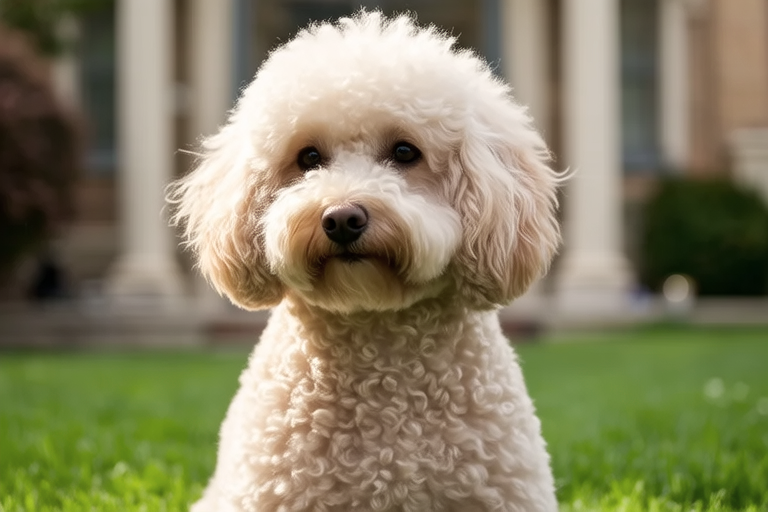
The Poodle: From Water Retrievers to Loyal Family Pets
The poodle is one of the most recognizable and beloved dog breeds in the world. With its distinctive curly coat and elegant appearance, the poodle has captured the hearts of many. This article delves into the rich history, characteristics, and transformation of poodles from their origins as water retrievers and show dogs into cherished family pets. We will explore their intelligence, hypoallergenic qualities, and various sizes, discuss their grooming needs, common health issues, and training tips, highlight famous poodles and their roles in popular culture, and provide advice for potential owners.
History and Origins
The origins of the poodle can be traced back to Germany and France, where they were originally bred as water retrievers. The name “poodle” comes from the German word “Pudel,” meaning “to splash in water.” Their curly coats provided excellent insulation against cold water, making them ideal for retrieving game from rivers and lakes. Over time, poodles became popular among European nobility, who admired their intelligence and trainability. They were often used in circuses and trained to perform tricks, further cementing their reputation as intelligent and versatile dogs.
Characteristics and Sizes
Poodles come in three distinct sizes: toy, miniature, and standard. Each size has its own unique charm and characteristics:
- Toy Poodles: Weighing between 4 to 6 pounds, toy poodles are the smallest of the breed. They are perfect for small living spaces and make excellent lap dogs. Despite their tiny size, they retain the intelligence and energy of larger poodles.
- Miniature Poodles: Ranging from 10 to 15 pounds, miniature poodles are slightly larger than their toy counterparts but still manageable for apartment living. They are known for their playful nature and are often used as therapy dogs due to their gentle demeanor.
- Standard Poodles: The largest of the poodle breeds, standard poodles weigh between 45 to 70 pounds. They are highly energetic and require more space and exercise compared to smaller poodles. Standard poodles are often used as guide dogs and in search-and-rescue operations due to their intelligence and stamina.
Intelligence and Trainability
Poodles are renowned for their high intelligence and exceptional trainability. They are quick learners and excel in obedience training, agility competitions, and other activities that challenge their minds. Their ability to understand commands and respond quickly makes them ideal for service work, such as assisting individuals with disabilities or serving as therapy dogs. Poodles also possess a strong desire to please their owners, which further enhances their trainability.
Hypoallergenic Qualities
One of the most appealing aspects of poodles is their hypoallergenic nature. Unlike many other breeds, poodles produce less dander and shed minimally, making them a suitable choice for people with allergies. However, it is important to note that no dog is completely hypoallergenic, and individual reactions may vary. Regular grooming and bathing can help minimize allergens and keep your poodle’s coat healthy.
Grooming Needs
Due to their curly coats, poodles require regular grooming to maintain their appearance and prevent matting. Professional grooming every six to eight weeks is recommended, depending on the length and style of the coat. Between professional groomings, owners should brush their poodles at least twice a week to prevent tangles and remove loose hair. Additionally, poodles need regular ear cleaning and nail trimming to ensure overall hygiene.
Common Health Issues
While poodles are generally healthy dogs, they are prone to certain genetic health conditions. Some common issues include hip dysplasia, progressive retinal atrophy, and Addison’s disease. Responsible breeding practices and regular veterinary check-ups can help mitigate these risks. It is essential for owners to stay informed about potential health concerns and take proactive measures to ensure their poodle’s well-being.
Training Tips
Training a poodle requires patience, consistency, and positive reinforcement. Here are some tips for successfully training your poodle:
- Start Early: Begin training your poodle as early as possible to establish good habits and obedience. Puppies are more receptive to learning during their formative months.
- Use Positive Reinforcement: Reward your poodle with treats, praise, and affection when they follow commands correctly. This encourages them to repeat desired behaviors.
- Be Consistent: Use the same commands and hand signals consistently to avoid confusion. Consistency helps your poodle understand what is expected of them.
- Keep Training Sessions Short: Poodles have short attention spans, so keep training sessions brief and engaging. Frequent, short sessions are more effective than long, drawn-out ones.
- Stay Patient: Every dog learns at their own pace. Be patient and understanding during the training process, and celebrate small victories along the way.
Famous Poodles and Popular Culture
Poodles have made numerous appearances in popular culture, often portrayed as fashionable and sophisticated. One of the most famous poodles is Barry, a standard poodle who served as a search-and-rescue dog in the Swiss Alps. His story was adapted into a children’s book and animated film, inspiring generations of animal lovers.
In the realm of entertainment, poodles have been featured in various films and television shows. For example, the character Marcel from the sitcom Friends is a toy poodle known for his quirky personality and memorable catchphrases. Marcel’s popularity contributed to the breed’s enduring appeal and recognition.
Advice for Potential Owners
If you’re considering adopting a poodle, here are some important factors to consider:
- Choose the Right Size: Consider your lifestyle and living situation when selecting a poodle size. Toy and miniature poodles are better suited for apartment living, while standard poodles require more space and exercise.
- Prepare for Grooming: Understand the commitment involved in maintaining your poodle’s coat. Regular grooming is necessary to keep your poodle looking and feeling their best.
- Invest in Training: Invest time and effort into training your poodle to ensure they become well-behaved and obedient companions. Proper training will enhance your bond and make daily life easier for both of you.
- Provide Mental Stimulation: Poodles thrive on mental challenges, so provide them with toys, puzzles, and activities to keep their minds engaged. This will help prevent boredom and destructive behavior.
- Embrace Loyalty and Adaptability: Poodles are known for their unwavering loyalty and adaptability, making them excellent companions for families of all kinds. Embrace their unique qualities and enjoy the rewarding relationship you’ll share with your poodle.
Adopting a poodle is a wonderful decision for those seeking an intelligent, hypoallergenic, and loving companion. By understanding the breed’s history, characteristics, and care requirements, potential owners can provide their poodle with a happy and fulfilling life. Whether you choose a toy, miniature, or standard poodle, you can look forward to years of companionship, loyalty, and joy.
