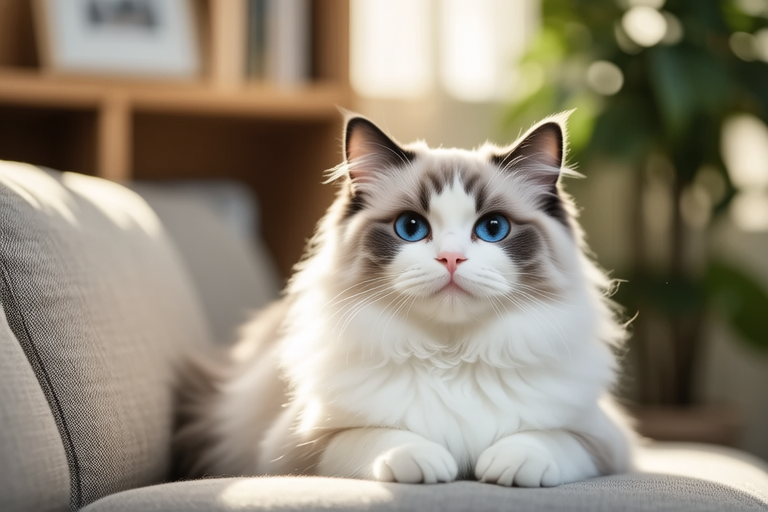
From Lap Warmer to Feline Companion: The Heartwarming World of Ragdolls
The term “Ragdoll” brings to mind images of soft, cuddly creatures that seem to melt into your arms like plush toys. But behind this whimsical nickname lies a breed of cat renowned for its exceptional temperament and striking appearance. Ragdolls are not just any ordinary cats; they are known for their unparalleled affection and docile nature, making them beloved companions in households around the world.
A Gentle Spirit: The Temperament of Ragdolls
One of the most distinctive traits of Ragdolls is their extraordinary affection towards humans. These cats are often described as being “dog-like” in their behavior, as they tend to follow their owners around the house, seeking attention and companionship. Their docility is perhaps best exemplified by their tendency to go completely limp when held, which gave rise to their charming name. This unique trait makes Ragdolls ideal lap cats, providing comfort and warmth to their human companions.
Ragdolls are exceptionally patient and gentle, even with young children. They enjoy being petted and brushed, and they rarely scratch or bite, even when provoked. Their calm demeanor and easygoing nature make them perfect for families looking for a peaceful and loving addition to their home.
The History and Origins of Ragdolls
The story of the Ragdoll begins in the 1960s in California, where a breeder named Ann Baker crossbred several longhaired cats to create the Ragdoll breed. Ann was inspired by the idea of creating a cat that would be both beautiful and affectionate, capable of forming strong bonds with humans. Her efforts led to the development of a breed that quickly gained popularity for its friendly disposition and striking appearance.
Over time, Ragdolls have been refined through selective breeding, resulting in a breed that is recognized by various cat registries worldwide. Today, Ragdolls are admired for their elegant physique, luxurious coats, and captivating blue eyes. Their unique blend of beauty and charm has made them one of the most sought-after breeds in the cat world.
Physical Attributes of Ragdolls
Ragdolls are medium to large-sized cats with a robust yet graceful build. They possess a semi-longhair coat that is silky and soft to the touch. The fur is typically white with colored points, which include seal, chocolate, blue, lilac, red, and cream. The contrast between the white body and the darker points creates a striking and elegant appearance.
One of the most distinctive features of Ragdolls is their large, expressive blue eyes. These eyes, combined with their sweet facial expressions, give them a look of perpetual innocence and curiosity. Their eyes are not only aesthetically pleasing but also serve as a window into their gentle and affectionate nature.
The Bond Between Ragdolls and Their Human Companions
The relationship between Ragdolls and their human companions is often described as a deep and emotional connection. Ragdolls are known for their loyalty and devotion, and many owners report that their Ragdolls form strong attachments to them. These cats are not shy about showing their affection, often curling up next to their owners or following them from room to room.
There are numerous stories of the special bonds formed between Ragdolls and their human families. One such story involves a family who adopted a Ragdoll kitten. The kitten, named Luna, quickly became inseparable from the youngest child in the family. Whenever the child was upset or needed comfort, Luna would come to sit beside them, offering her soothing presence. Over time, the child’s anxiety decreased significantly, thanks to Luna’s constant companionship.
Caring for Your Ragdoll: Tips for Potential Owners
If you’re considering bringing a Ragdoll into your life, it’s important to understand the specific needs and care requirements of this breed. Ragdolls are generally healthy cats, but like all animals, they require proper care to thrive.
Grooming
Ragdolls have semi-longhair coats that require regular grooming to keep them clean and free from tangles. Brushing your Ragdoll at least twice a week will help remove loose hair and prevent matting. Additionally, bathing your Ragdoll occasionally can help keep their coat shiny and healthy.
Dietary Needs
Providing a balanced diet is crucial for maintaining your Ragdoll’s health. High-quality cat food that meets their nutritional needs is essential. It’s important to consult with your veterinarian to determine the appropriate amount and type of food for your cat based on their age, weight, and activity level. Fresh water should always be available to ensure proper hydration.
Health Considerations
While Ragdolls are generally healthy, they are prone to certain genetic conditions, including hypertrophic cardiomyopathy (HCM), a heart disease. Regular veterinary check-ups are recommended to monitor your cat’s health and catch any issues early. Vaccinations and preventive care, such as flea and tick treatments, are also important to protect your Ragdoll from common diseases.
Why Ragdolls Are Cherished as True Companions
In conclusion, Ragdolls are cherished not just as pets, but as true companions in people’s lives. Their unique blend of beauty, affection, and loyalty makes them beloved members of many households. Whether curled up in your lap or following you around the house, Ragdolls bring joy and comfort to their human companions.
If you’re looking for a cat that will provide endless love and companionship, a Ragdoll may be the perfect choice for you. With their gentle nature, striking appearance, and deep emotional bonds, Ragdolls are truly one-of-a-kind feline companions that will enrich your life in countless ways.
