The Unique Challenges and Joys of Owning a Munchkin Cat
Munchkin cats are known for their striking appearance, particularly their short legs, which give them a unique and endearing look. This breed, which first emerged in the late 20th century, has captured the hearts of many cat enthusiasts with its distinctive features and charming personality. However, owning a Munchkin cat comes with its own set of challenges and joys. In this article, we will explore the distinctive physical characteristics of Munchkin cats, discuss common misconceptions about their health and mobility, and delve into the joys and challenges of caring for these special felines.
Distinctive Physical Characteristics
The most notable feature of Munchkin cats is their unusually short legs. This trait is caused by a genetic mutation that affects the long bones in their legs, making them shorter than those of other cats. Despite their short stature, Munchkins have the same body proportions as their longer-legged counterparts, giving them a distinctive, almost whimsical appearance. Their bodies are typically medium-sized, muscular, and well-balanced, ensuring they remain agile and active despite their reduced leg length.
Besides their legs, Munchkins come in a variety of coat colors and patterns, including solid colors, tabby, tortoiseshell, and bi-colors. They can have either short or semi-long hair, adding to their diversity. Their large, expressive eyes and slightly flattened faces further contribute to their captivating appearance.
Common Misconceptions About Health and Mobility
One of the most common misconceptions about Munchkin cats is that their shortened legs make them less mobile or more prone to injury. While it’s true that their unique physiology requires some adjustments, Munchkin cats are generally very active and capable of performing many of the same activities as other cats. They can run, jump, and play, though their jumping ability may be somewhat limited compared to standard breeds.
Another misconception is that Munchkin cats are more susceptible to health problems due to their genetic makeup. While there are some potential health concerns associated with the Munchkin gene, responsible breeding practices have significantly reduced the incidence of serious issues. Regular veterinary check-ups, a healthy diet, and proper exercise are essential to maintaining the overall well-being of any cat, including Munchkins.
The Joys of Owning a Munchkin Cat
Owning a Munchkin cat can be a delightful experience, thanks to their playful and affectionate nature. These cats are known for their curiosity and love of exploration, often seeking out new games and adventures around the house. They enjoy interacting with their human companions and can form strong bonds with their families. Munchkins are also quite social, getting along well with children and other pets when introduced properly.
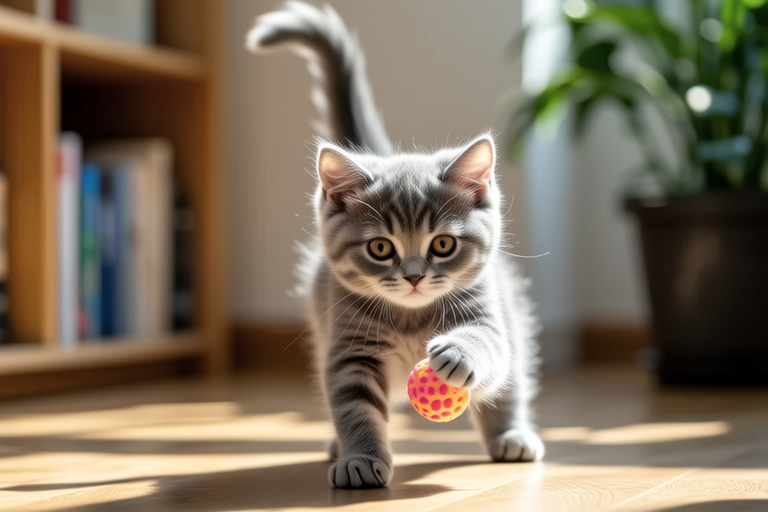
Despite their diminutive stature, Munchkin cats are surprisingly energetic. They love to play, whether it’s chasing toys, climbing cat trees, or engaging in interactive play with their owners. Their playful demeanor keeps them engaged and happy, making them excellent companions for individuals who enjoy an active lifestyle.
Munchkin cats are also known for their intelligence. They are quick learners and can be trained to perform simple tricks or respond to commands. This intelligence combined with their affectionate nature makes them delightful pets for those who want a cat that is both smart and loving.
The Challenges of Owning a Munchkin Cat
While Munchkin cats offer many joys, they also present certain challenges that potential owners should be aware of. One of the primary concerns is their potential for health issues related to their unique genetic structure. Some Munchkin cats may experience spinal issues, such as lordosis (an abnormal curvature of the spine) or pectus excavatum (a chest deformity). Regular vet visits and monitoring for signs of discomfort or unusual behavior are crucial to catching and addressing any health problems early.
Their short legs also require careful management of their activity levels. While Munchkin cats can be quite active, they may tire more quickly than other breeds and may need more frequent rest periods. Providing them with safe, enclosed spaces where they can move around freely without risk of injury is important. Additionally, ensuring they have plenty of opportunities for play and exercise within their limitations helps maintain their physical and mental health.
The living environment plays a significant role in the well-being of Munchkin cats. Their shorter legs mean they may struggle with reaching high places, so providing accessible vertical spaces like low shelves or ramps can help them feel more comfortable and secure. Additionally, Munchkin cats are generally indoor cats, as their limited jumping ability makes them more vulnerable outdoors. Ensuring a safe, stimulating indoor environment is key to their happiness and safety.
Advice for Potential Owners
If you’re considering adopting a Munchkin cat, it’s important to be well-informed about their specific needs and care requirements. First, ensure you adopt from a reputable breeder who prioritizes the health and well-being of their cats. Responsible breeders will provide thorough health records and offer guidance on proper care.
Regular veterinary care is essential for maintaining your Munchkin’s health. Schedule routine check-ups and vaccinations, and don’t hesitate to consult your veterinarian if you notice any changes in your cat’s behavior or physical condition. A balanced diet rich in nutrients is also vital, and you may need to adjust feeding habits based on your cat’s activity level.
Creating a nurturing and enriching environment is crucial for the happiness of your Munchkin cat. Provide plenty of toys, scratching posts, and hiding spots to keep them entertained and stimulated. Consider setting up low perches or cat stairs to help them access elevated areas safely. Lastly, spend quality time with your Munchkin, engaging in play and interaction to strengthen your bond.
In conclusion, Munchkin cats are unique and wonderful companions that bring joy and laughter into the lives of their owners. While they come with specific challenges related to their physical traits, with proper care and attention, they can thrive and lead fulfilling lives. Their playful, affectionate nature and intelligence make them special members of any household. By understanding their needs and providing the right environment, you can ensure that your Munchkin cat enjoys a happy and healthy life.
