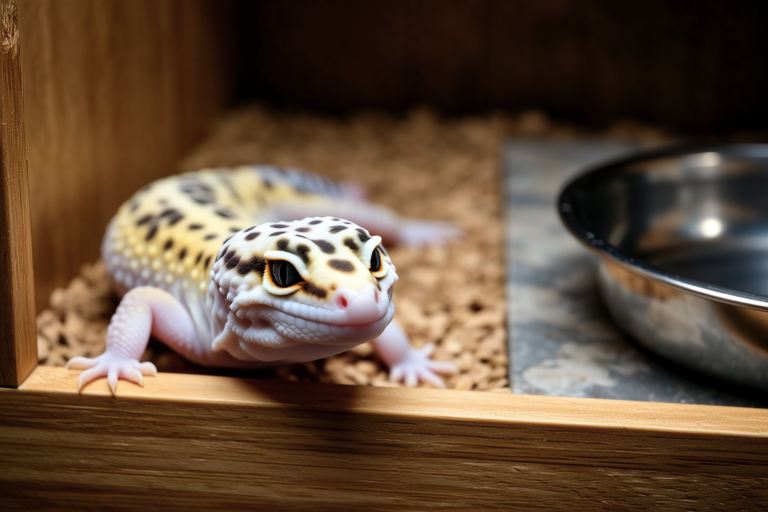
Leopard Gecko Care: A Beginner’s Guide to Keeping Your Gecko Happy and Healthy
Welcome to the wonderful world of leopard gecko care! As a first-time owner, you might feel overwhelmed with all the information available. This guide will help you understand how to provide the best care for your pet, ensuring it lives a long, healthy life. We’ll cover everything from setting up the perfect habitat to recognizing signs of illness.
Habitat Setup
Your leopard gecko’s environment plays a crucial role in its overall well-being. Let’s start by discussing the essentials for creating a safe and comfortable home.
Tank Size
For a single adult leopard gecko, a 10-gallon tank is sufficient. However, larger tanks can accommodate more geckos or provide additional space for exercise. Avoid overcrowding; each gecko needs enough room to move around comfortably.
Substrate
The substrate, or bedding, should be easy to clean and safe for your gecko. Reptile carpet, paper towels, and reptile-safe sand are popular choices. Avoid loose substrates like wood chips or gravel, as they pose choking hazards or ingestion risks.
Temperature Gradients
Maintaining proper temperatures within the enclosure is vital for digestion and overall health. Use under-tank heating pads and ambient heat lamps to create a warm side (around 90°F) and a cooler side (about 75°F). Always use thermometers to monitor these areas accurately.
Lighting
While leopard geckos don’t require UVB light, providing a low-level daytime bulb helps simulate natural day-night cycles. Ensure the bulb isn’t too powerful, as it could overheat the enclosure.
Diet and Feeding Habits
Leopard geckos are insectivores, meaning their diet consists mainly of insects. Crickets, mealworms, and waxworms are common food sources. Offer live prey daily, ensuring the insects are gut-loaded (fed nutritious foods before being offered to your gecko).
Vary your gecko’s diet by incorporating different types of insects. Dust the insects with calcium powder and multivitamins weekly to prevent deficiencies. Limit waxworms to occasional treats due to their high-fat content.
Handling Tips
Proper handling techniques ensure both your safety and your gecko’s comfort. Always wash your hands before and after handling to avoid transferring bacteria. Support your gecko’s body fully, allowing it to walk onto your hand rather than lifting it abruptly.
Avoid handling during shedding periods or when the gecko appears stressed or ill. Over-handling can cause stress, so limit interactions to brief, gentle sessions.
Health Concerns and Signs of Illness
Regular vet check-ups are essential for early detection and treatment of health issues. Common problems include metabolic bone disease (caused by calcium deficiency), respiratory infections, and impaction (digestive blockages).
Monitor your gecko closely for unusual behavior or physical changes. Lethargy, loss of appetite, difficulty moving, swollen limbs, or discharge from the eyes or nose may indicate illness. Prompt veterinary attention is crucial.
Molting Process
Molting occurs periodically as your gecko grows, shedding its old skin. During this time, ensure humidity levels are adequate (around 40-60%) to aid the process. Encourage your gecko to rub against rough surfaces inside the tank to assist in removing the shed skin.
Check regularly to make sure all skin has been removed, especially around the toes and tail tip. Retained shed can cause constriction and tissue damage if left untreated.
Basic Breeding Information
If you’re interested in breeding leopard geckos, research thoroughly to understand the complexities involved. Males and females should be housed separately except during breeding season. Proper nutrition, environmental conditions, and genetic compatibility are critical factors influencing successful reproduction.
Consult experienced breeders or veterinarians for guidance on preparing your geckos for mating and caring for eggs and hatchlings. Breeding requires significant commitment and responsibility.
Commitment Levels and Further Learning Resources
Owning a leopard gecko is a rewarding experience but also comes with responsibilities. These small lizards require consistent care, including daily feeding, cleaning, and monitoring. Be prepared for financial commitments related to food, supplies, and potential medical expenses.
To deepen your knowledge, consider joining local herpetology clubs or online forums dedicated to reptile enthusiasts. Books, articles, and educational videos offer valuable insights into advanced care techniques and the latest findings in reptile husbandry.
Remember, responsible pet ownership involves making informed decisions based on accurate information. By following the guidelines outlined here and seeking expert advice when needed, you’ll provide an excellent quality of life for your leopard gecko.
