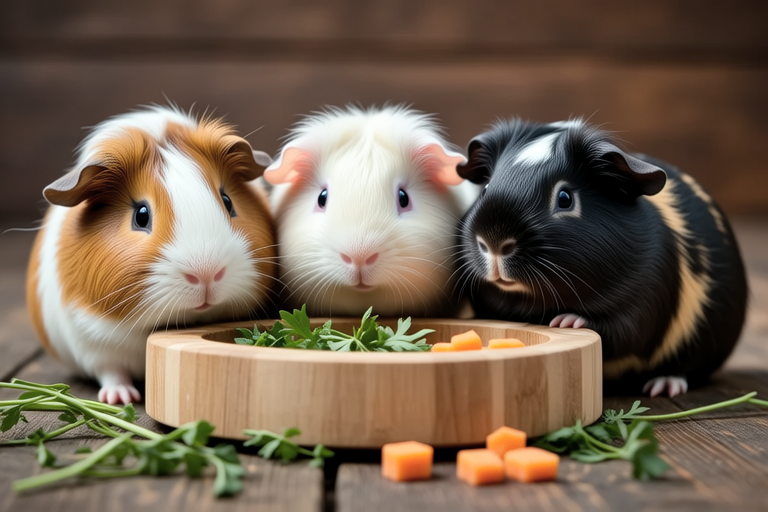
Adorable Guinea Pigs: The Ultimate Guide to Care and Feeding
Guinea pigs, also known as cavies, have been cherished companions for centuries. These small, herbivorous rodents are popular pets due to their gentle nature, amusing antics, and endearing personalities. Their friendly demeanor makes them ideal for families and individuals alike. This comprehensive guide will cover everything you need to know about caring for and feeding your guinea pig, ensuring they lead happy, healthy lives.
Choosing the Right Guinea Pig
When selecting a guinea pig, it’s important to choose one from a reputable breeder or a shelter. Look for signs of good health, such as clear eyes, clean fur, and active behavior. Avoid animals that appear lethargic or have discharge from their nose or eyes. A healthy guinea pig should have a well-proportioned body, with no visible deformities or lumps.
Housing Requirements
Proper housing is crucial for your guinea pig’s comfort and well-being. A spacious cage is essential; ideally, the cage should be at least 7.5 square feet for two guinea pigs. This provides ample room for movement and play. The cage should be escape-proof, with secure wire mesh sides and a solid floor to prevent injuries. Bedding material should be safe and absorbent, such as paper-based bedding or recycled newspaper products. Avoid cedar or pine shavings, which can irritate your pet’s respiratory system.
Environmental enrichment is vital to keep your guinea pig mentally stimulated. Provide toys, tunnels, and hiding spots to encourage exploration and play. Regularly rotate these items to maintain interest. Additionally, ensure your guinea pig has access to a safe area outside the cage for supervised exercise. This helps prevent boredom and promotes physical fitness.
Dietary Needs
A balanced diet is key to maintaining your guinea pig’s health. The cornerstone of their diet should be unlimited access to high-quality timothy hay, which aids digestion and supports dental health. Supplement this with fresh vegetables daily, such as leafy greens like romaine lettuce, spinach, and kale. Fruits can be offered sparingly as treats due to their sugar content. High-quality guinea pig pellets should make up a small portion of their diet, providing essential nutrients.
Feeding schedules should be consistent, with meals provided twice daily. Portion control is important to avoid obesity. Offer approximately one cup of fresh vegetables per day for each guinea pig, adjusting based on their individual appetites and activity levels. Monitor their weight regularly to ensure they remain within a healthy range.
Grooming and Hygiene
Regular grooming is necessary to keep your guinea pig looking and feeling its best. Brush their coat weekly to remove loose hair and prevent matting. Long-haired guinea pigs may require more frequent brushing. Trim nails every few weeks to prevent overgrowth, which can cause discomfort when walking. Use pet-safe nail clippers and always trim just the tip of the nail to avoid cutting the quick.
Teeth care is critical, as guinea pigs’ teeth grow continuously throughout their lives. Provide plenty of hay and chew toys to help wear down their teeth naturally. Check their teeth regularly for signs of overgrowth, such as drooling, difficulty eating, or swollen cheeks. If you notice any issues, consult a veterinarian promptly.
Bathing should be minimal, as guinea pigs are generally clean animals. Only bathe them if absolutely necessary, using a mild, pet-safe shampoo. Rinse thoroughly and dry completely to prevent chills. Never submerge your guinea pig in water, as they are poor swimmers.
Exercise and Social Interaction
Exercise is essential for maintaining your guinea pig’s physical and mental health. Allow supervised time outside the cage daily for exploration and play. This can include running around a safe, enclosed area or interacting with you. Social interaction is equally important. Guinea pigs are social animals and thrive when kept in pairs or groups. Spend quality time with your guinea pig, offering affection and positive reinforcement through gentle handling and treats.
Common Health Issues
Despite proper care, guinea pigs can develop health issues. Common problems include respiratory infections, dental issues, and skin conditions. Watch for signs of illness, such as sneezing, runny nose, loss of appetite, lethargy, or changes in bathroom habits. Early detection and treatment are crucial for recovery. Regular veterinary check-ups are recommended to catch potential issues before they become serious.
Conclusion
Owning a guinea pig is a rewarding experience, but it requires a significant commitment to their care. By providing a suitable environment, a balanced diet, regular grooming, and plenty of attention, you can ensure your guinea pig enjoys a long, healthy life. Always research thoroughly and prepare adequately before bringing a guinea pig into your home. With the right care, your new furry friend will bring endless joy and companionship.
