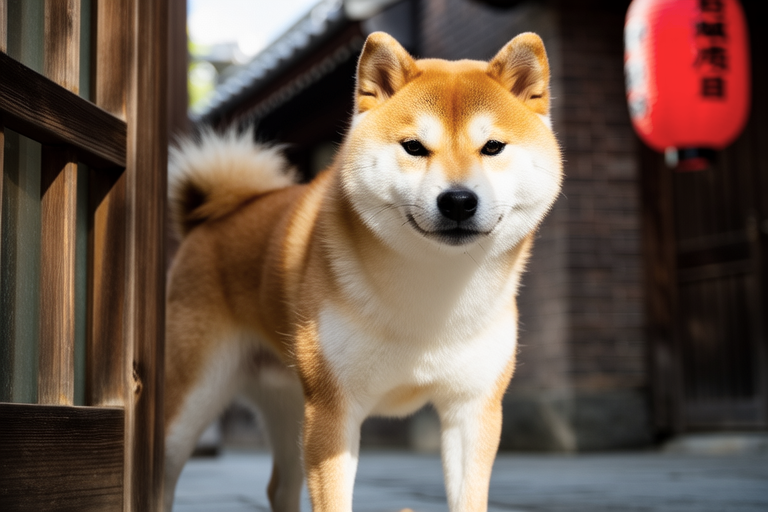
The Journey of Shiba Inus: From Ancient Japan to Global Pet
The Shiba Inu, a small but mighty dog breed, has roots deeply embedded in the cultural and historical fabric of Japan. Their story is one of resilience, adaptation, and a fascinating evolution from functional hunting companions to cherished family pets. This narrative not only highlights the breed’s unique characteristics but also offers insights into the rich tapestry of Japanese culture.
Origins and Early History
The Shiba Inu is believed to be one of the oldest dog breeds native to Japan. Archaeological evidence suggests that similar dogs existed over three thousand years ago, serving as hunting companions for Japanese nobility. These early Shibas were essential for hunting small game such as birds and wild boar, thanks to their keen sense of smell and agility. The breed’s name, “Shiba,” can mean either “brushwood” (referring to the brushy areas where they hunted) or “small,” while “Inu” simply means “dog.” Thus, the Shiba Inu is often referred to as the “little brushwood dog.”
During the Nara period (710-794 AD), the Shiba Inu was recognized as a distinct breed, and its role in society became more formalized. They were often depicted in artwork and literature, symbolizing loyalty and companionship. However, their prominence diminished during the Edo period (1603-1868), when Western influence began to penetrate Japanese society, leading to a decline in traditional practices and the Shiba Inu’s utility as a hunting dog.
The Meiji Restoration and Modernization
The Meiji Restoration of 1868 marked a significant turning point for Japan. As the country opened up to the world, Western influences permeated every aspect of life, including canine companionship. Many Japanese people began to favor larger, more imposing breeds like German Shepherds and Dobermans, which were seen as symbols of modernity and power. Consequently, the Shiba Inu nearly faced extinction. By the early 20th century, only three bloodlines remained: the Shinshu, Mino, and San’in.
In response to this crisis, dedicated enthusiasts worked tirelessly to preserve the breed. In 1928, the Nihon Ken Hozonkai (Japanese Dog Preservation Society) was established to protect indigenous breeds, including the Shiba Inu. Through careful breeding programs and conservation efforts, the Shiba Inu was revived and standardized. The breed was officially recognized by the American Kennel Club in 1993, marking its entry into the global canine community.
The Shiba Inu in Japanese Culture
In Japan, the Shiba Inu continues to hold a special place in the hearts of many. They are celebrated in various forms of media, from manga and anime to advertisements and commercials. Their presence in pop culture reflects the enduring appeal of these dogs, who embody the spirit of Japan – loyal, independent, and adaptable.
One of the most iconic representations of the Shiba Inu in modern times is the “Shiba Inu meme.” Originating from a series of photographs showcasing a mischievous Shiba Inu named “Maru,” the meme has taken the internet by storm. Maru’s playful antics and endearing expressions have resonated with people worldwide, further cementing the Shiba Inu’s status as a beloved pet.
Transition to Popular Pets
The Shiba Inu’s journey from hunting companion to beloved pet is a testament to its versatility and charm. As Japan modernized, so did its citizens’ preferences for pets. The compact size and manageable energy level of the Shiba Inu made it an ideal choice for urban dwellers. Additionally, their intelligence and trainability allowed them to thrive in various environments, from bustling cities to serene suburbs.
As the Shiba Inu gained popularity within Japan, it wasn’t long before other countries took notice. The first Shiba Inus were exported to the United States in the late 1980s, paving the way for their international recognition. Today, the breed enjoys widespread acclaim across North America, Europe, and beyond. Their growing popularity can be attributed to several factors:
- Distinctive Appearance: The Shiba Inu boasts a thick double coat that comes in three colors: red, black and tan, and sesame (a mix of red and black). Their fox-like face and expressive eyes give them a striking appearance.
- Compact Size: Standing at about 35-43 cm tall and weighing between 7-11 kg, Shibas are perfect for smaller living spaces.
- Independent Spirit: While affectionate with their families, Shibas tend to be aloof with strangers, making them excellent watchdogs.
- Low Maintenance: Their short coat requires minimal grooming, and they are generally healthy dogs with few breed-specific health issues.
From Tokyo to Global Homes
The Shiba Inu’s journey from Tokyo to homes around the globe is a remarkable tale of cultural exchange and adaptability. Initially, Shibas were primarily found in Japan, with occasional exports to neighboring countries. However, as the breed’s popularity grew, more Shibas were sent abroad, particularly to the United States and Canada.
One pivotal moment in the Shiba Inu’s global expansion came in 1985 when the first Shiba Inus were imported into the United States. These dogs quickly captured the hearts of American dog lovers, who were drawn to their unique blend of independence and affection. Since then, Shibas have been featured in numerous dog shows, competitions, and events, solidifying their place in the global canine community.
Today, the Shiba Inu can be found in households across the world. Their popularity extends far beyond the borders of Japan, and they continue to win the hearts of people everywhere. Whether they’re posing for Instagram photos, starring in viral videos, or simply lounging in their owner’s lap, Shibas have become an integral part of modern pet culture.
Notable Characteristics Contributing to Enduring Popularity
The Shiba Inu’s enduring popularity can be attributed to several key characteristics:
- Expressive Face: With their alert, almond-shaped eyes and perky ears, Shibas have a face that speaks volumes. Their expressions range from curiosity to mischief, making them endlessly entertaining to watch.
- Independence: While Shibas are loyal to their families, they are known for their independent streak. This trait makes them both challenging and rewarding to train, as they require patience and positive reinforcement.
- Playfulness: Despite their serious demeanor, Shibas are full of playful energy. They enjoy interactive toys and games, providing endless entertainment for their owners.
- Adaptability: Shibas can thrive in a variety of environments, from small apartments to large estates. Their adaptability has contributed to their success as pets in diverse settings.
Conclusion
The Shiba Inu’s journey from ancient Japan to global pet is a remarkable story of survival, adaptation, and enduring popularity. From their humble beginnings as hunting companions to their current status as beloved family members, Shibas have captivated the hearts of people worldwide. Their distinctive appearance, playful nature, and independent spirit make them a standout breed in the world of dogs. As the Shiba Inu continues to gain fans around the globe, it remains a true ambassador of Japanese culture and heritage.
