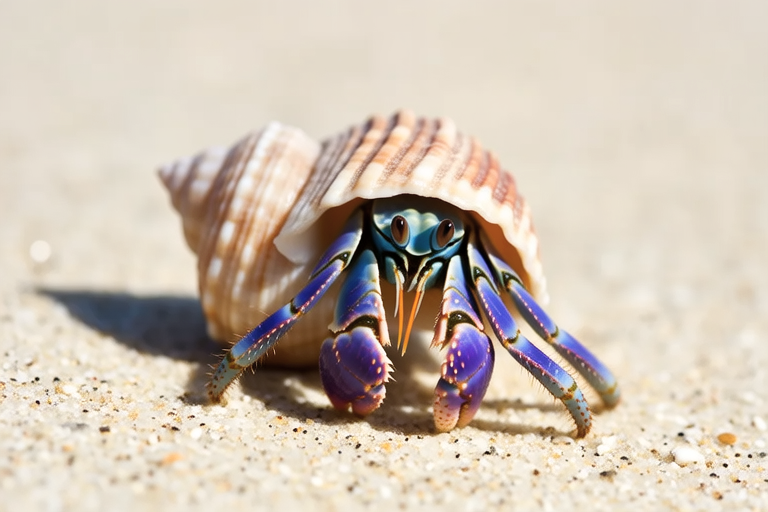
The Unique World of Hermit Crabs
Hermit crabs are one of nature’s most intriguing creatures, known for their unique lifestyle and habitat. These crustaceans have evolved a variety of behaviors and physical characteristics that allow them to thrive in diverse environments. From their shell-changing habits to their complex social structures, hermit crabs are a fascinating subject of study.
Shell-Changing Habits
One of the most distinctive features of hermit crabs is their reliance on shells for protection. As they grow, hermit crabs must periodically find new shells to accommodate their expanding bodies. This process involves a delicate dance with other crabs, as they compete for suitable homes. When a hermit crab finds a shell that fits, it cautiously inspects it before making the switch. If the new shell is too small or damaged, the crab will continue its search. This behavior highlights the importance of finding the perfect fit, as a poorly chosen shell can lead to vulnerability.
Social Behaviors
Contrary to popular belief, hermit crabs are not solitary animals. They often live in close proximity to others of their kind, forming bustling communities. These communities exhibit complex social interactions, including cooperation during shell exchanges. When multiple crabs gather around a desirable shell, they may engage in synchronized movements, ensuring that all participants have an equal chance to benefit from the exchange. This cooperative behavior suggests a level of social intelligence that is often overlooked in discussions about hermit crabs.
Environmental Adaptations
Hermit crabs have adapted to a wide range of habitats, from tropical beaches to freshwater streams. Their ability to thrive in such varied environments is due to their flexible physiology and behavior. For instance, some species have developed specialized appendages that help them navigate through different substrates. Additionally, hermit crabs possess a unique respiratory system that allows them to breathe both in and out of water. This dual capability enables them to survive in areas where water levels fluctuate, such as mangrove forests.
Role in Ecosystems
In their natural habitats, hermit crabs play crucial roles in maintaining ecosystem balance. By scavenging on dead organic matter, they contribute to nutrient cycling, enriching the soil and promoting plant growth. Furthermore, their burrowing activities aerate the substrate, improving water quality and providing shelter for other organisms. This multifaceted contribution underscores the importance of preserving hermit crab populations for the health of their ecosystems.
Challenges in the Wild
Despite their resilience, hermit crabs face numerous threats in the wild. Habitat destruction, pollution, and climate change pose significant challenges to their survival. Coastal development, for example, can disrupt nesting sites and alter food availability. Additionally, rising sea temperatures and ocean acidification may affect the availability of suitable shells. These factors highlight the need for concerted conservation efforts to protect hermit crab populations.
Misconceptions About Care as Pets
Hermit crabs are popular pets, but many owners misunderstand their needs. Common misconceptions include the belief that hermit crabs require minimal care or that any shell will suffice for housing. In reality, hermit crabs need a well-maintained environment with appropriate humidity levels and a variety of shell sizes. Providing a stimulating habitat that mimics their natural surroundings is essential for their well-being. Understanding these requirements can help ensure that pet hermit crabs lead healthy and fulfilling lives.
Communication Methods
Recent research has shed light on the sophisticated communication methods employed by hermit crabs. Studies suggest that they use a combination of chemical signals and tactile cues to convey information within their communities. For instance, certain chemicals released by hermit crabs may indicate readiness for a shell exchange or alert others to potential threats. Tactile communication, such as gentle nudges or vibrations, may also play a role in coordinating group activities. These findings offer insights into the complexity of hermit crab social interactions and challenge previous assumptions about their cognitive abilities.
Conservation Efforts
To address the challenges faced by hermit crabs, various conservation initiatives are underway. Organizations are working to protect critical habitats and raise awareness about the importance of these creatures. Educational programs aim to inform the public about responsible pet ownership and the impact of human activities on hermit crab populations. Additionally, researchers are studying hermit crab biology and ecology to develop targeted conservation strategies. These efforts underscore the commitment to preserving hermit crabs and the ecosystems they inhabit.
The Impact of Human Activities
The impact of human activities on hermit crab populations cannot be overstated. Overfishing, coastal development, and pollution have all contributed to declines in hermit crab numbers. The aquarium trade, which involves the collection of wild hermit crabs for the pet industry, further exacerbates these pressures. Recognizing the interconnectedness of human actions and wildlife conservation is crucial for addressing these issues. By adopting sustainable practices and supporting conservation efforts, we can help ensure the survival of hermit crabs and the ecosystems they call home.
In conclusion, hermit crabs are remarkable creatures with unique lifestyles and habitat requirements. Their shell-changing habits, social behaviors, and environmental adaptations make them fascinating subjects of study. By understanding their role in ecosystems, addressing the challenges they face, and challenging misconceptions about their care, we can better appreciate the importance of hermit crabs and work towards their conservation. As we continue to explore the world of hermit crabs, let us remember our responsibility to protect these incredible creatures and the environments they inhabit.
