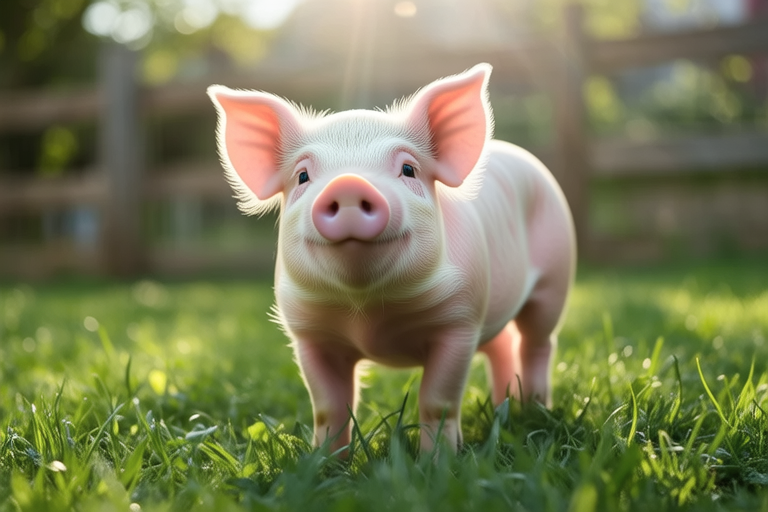
Mini Pigs as Pets: Everything You Need to Know Before Adoption
Welcome to the world of mini pigs! These adorable creatures have become increasingly popular as pets, but they come with unique requirements and responsibilities. Mini pigs, also known as teacup or micro pigs, are a delightful addition to many households. However, before you adopt one, it’s essential to understand their origins, typical size, and lifespan. This comprehensive guide will help you make an informed decision about whether a mini pig is the right pet for your family.
Origins of Mini Pigs
Mini pigs are descendants of the domesticated pot-bellied pig, which originated in Southeast Asia. They were selectively bred to be smaller in size while retaining the friendly and intelligent nature of their larger counterparts. Over time, various breeds emerged, each with its own distinct characteristics. While they may look like toy versions of full-sized pigs, they still require careful consideration when choosing them as pets.
Typical Size and Lifespan
The term ‘mini pig’ can be misleading since their final size varies depending on breed and genetics. On average, adult mini pigs weigh between 30 to 70 pounds and stand approximately 14 to 20 inches tall at the shoulder. It’s crucial to research specific breeds to determine what size to expect. Regarding lifespan, mini pigs can live up to 15 years or more with proper care, making them long-term companions.
Dietary Needs
A balanced diet is vital for maintaining your mini pig’s health. Mini pigs are omnivores, meaning they eat both plant and animal matter. Their diet should primarily consist of high-quality pig feed formulated for their nutritional needs. Avoid feeding table scraps, especially those rich in sugar and fat, as they can lead to obesity and other health problems. Additionally, provide fresh water at all times and limit treats to no more than 10% of their daily food intake.
Space Requirements
Mini pigs need adequate space to thrive. Indoors, ensure they have a comfortable area with soft bedding, toys, and access to a litter box or potty area. Outdoors, a secure pen with shade, shelter, and room to roam is ideal. The pen should be large enough for your pig to move around comfortably and exercise. Consider factors like climate and weather when designing their outdoor space, ensuring they remain safe and healthy year-round.
Behavioral Traits
Mini pigs are highly intelligent and social animals that enjoy interaction with humans. Early socialization is key to developing a well-behaved pet. Training methods similar to those used for dogs work well with mini pigs, including positive reinforcement techniques such as treats and praise. With consistent effort, mini pigs can learn commands and tricks, making them entertaining companions. Their curiosity and adaptability make them great pets for families willing to invest time in training and bonding.
Health Issues and Veterinary Care
Like any pet, mini pigs face certain health risks. Common issues include obesity, dental problems, and respiratory infections. Regular veterinary check-ups are crucial for early detection and management of these conditions. Vaccinations against diseases such as swine influenza and leptospirosis are recommended. Spaying or neutering your mini pig also helps prevent certain cancers and behavioral issues.
Tips for Adoption and Integration
Adopting from reputable sources ensures your mini pig comes from a healthy lineage. Research breeders or shelters carefully, asking questions about the pig’s background and health history. Once home, gradually introduce your new pet to family members and establish routines. Patience and consistency are key during this transition period. Remember, a happy and healthy mini pig makes for a rewarding addition to any household.
