The Transformation of Poodles: From Water Retrievers to Iconic Pets
The poodle, one of the most recognizable and beloved dog breeds worldwide, has an illustrious history that spans centuries. Originally bred for water retrieval in France and Germany, this intelligent and versatile breed has evolved from a functional working dog to a fashionable show dog and a cherished companion animal. This article explores the journey of poodles from their origins to their prominent role in popular culture, highlighting their intelligence, adaptability, and unique physical characteristics.
Origins and Early History
The poodle’s ancestry can be traced back to the 15th century in Germany, where it was known as the “Pudel.” The name is derived from the German word “pudeln,” which means to splash or paddle. These dogs were originally used as water retrievers, swimming out to fetch game birds for hunters. Their dense, curly coats provided insulation against cold water, making them ideal for this task. Over time, poodles became popular in France, where they were refined into the elegant breed we recognize today.
In the 18th century, poodles began appearing in royal courts across Europe, including those of King Louis XVI and Queen Marie Antoinette. They were highly valued for their intelligence and trainability, which made them excellent performers in circuses and theaters. The breed’s popularity grew further when Napoleon Bonaparte owned a poodle named Fortune, solidifying its reputation as a fashionable pet among the elite.
Intelligence and Versatility
Poodles are renowned for their high intelligence, ranking third on Stanley Coren’s list of the smartest dog breeds. This trait has allowed them to excel in various roles throughout history. Their ability to learn quickly and follow commands makes them ideal for obedience training, agility competitions, and even therapy work. In addition to their intelligence, poodles possess a strong desire to please their owners, which enhances their trainability.
One of the most famous poodles in history is Barbet, the beloved companion of Empress Josephine. She often took him with her on carriage rides and picnics, and he was even featured in portraits alongside her. Another notable figure associated with poodles is Pablo Picasso, who had a poodle named Minouche. The artist frequently included his pet in his works, further cementing the breed’s place in popular culture.
Grooming Traditions
A key feature of poodles is their distinctive coat, which requires regular grooming to maintain its shape and prevent matting. The traditional “poodle cut” involves clipping the fur short on the body while leaving longer tufts on the legs, chest, and tail. This style not only highlights the dog’s elegant form but also serves practical purposes, such as reducing water absorption during hunting expeditions.
The practice of clipping poodles into elaborate shapes dates back to the 17th century when French aristocrats began commissioning artists to create intricate designs on their pets. These designs ranged from simple patterns to complex sculptures, showcasing the breed’s versatility and the owner’s wealth and taste. Today, poodles still participate in competitive grooming events, where handlers demonstrate their skills in creating artistic cuts.
Adaptability and Roles
Poodles have proven themselves adaptable in various roles, from working dogs to companions. Their intelligence and trainability make them excellent candidates for service work, including search and rescue operations, therapy, and assistance for individuals with disabilities. Many poodles have also excelled in sports like agility, flyball, and dock diving, demonstrating their athleticism and enthusiasm for activity.
In recent years, poodles have become increasingly popular as family pets due to their affectionate nature and hypoallergenic qualities. Their non-shedding coat makes them suitable for people with allergies or sensitivities to dander. Despite their glamorous reputation, poodles remain devoted companions who thrive on human interaction and mental stimulation.
Evolution in Popular Culture
Poodles have long been associated with elegance and sophistication, appearing in numerous films, television shows, and advertisements. One of the earliest depictions of a poodle in popular culture is in the 1934 film Top Hat, where Fred Astaire and Ginger Rogers dance with a poodle named Mr. Poodle. More recently, poodles have appeared in hit TV series such as Modern Family and Black-ish, further cementing their status as beloved characters.
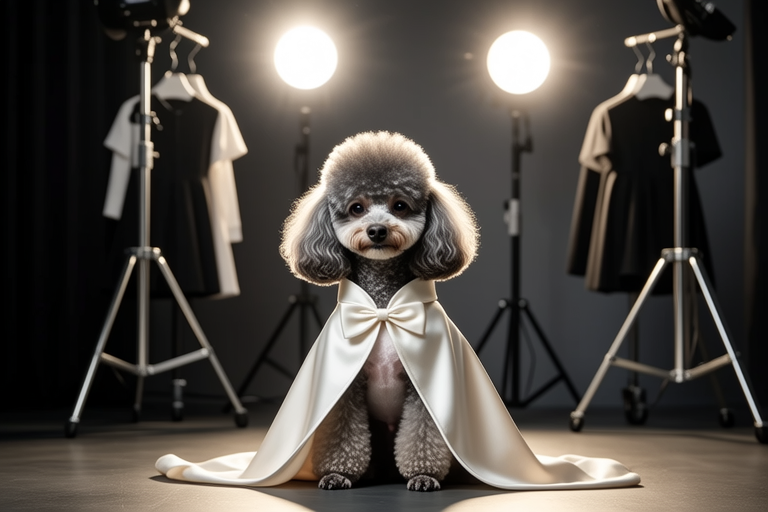
The breed’s association with fashion extends beyond cinema and television. Poodles have been featured in runway shows, walking alongside models and posing for photographs. Their unique appearance and graceful demeanor make them natural stars on the catwalk. Additionally, poodles have inspired countless fashion trends, from hairstyles to accessories, contributing to their enduring appeal.
Physical Characteristics
Poodles come in three recognized sizes: standard, miniature, and toy. Each size shares the same physical characteristics, including a square build, a long, straight muzzle, and a profuse, curly coat. Their eyes are typically dark and almond-shaped, giving them an alert and intelligent expression. The breed’s ears are long and hang close to the head, adding to their regal appearance.
Despite their luxurious appearance, poodles are relatively low-maintenance when it comes to exercise and diet. They require daily walks and mental stimulation to stay healthy and happy but do not need extensive grooming beyond regular brushing and occasional baths. However, their coat does require professional grooming every six to eight weeks to maintain its shape and prevent matting.
Enduring Appeal
The enduring appeal of poodles lies in their combination of intelligence, versatility, and elegance. These traits have made them beloved pets, successful performers, and fashionable icons throughout history. Whether participating in dog shows, working as therapy animals, or simply providing companionship, poodles continue to captivate hearts and minds around the world.
As society becomes more aware of the importance of mental health and emotional support, poodles’ gentle nature and strong bond with humans make them ideal therapy dogs. Their intelligence and trainability allow them to assist individuals with various needs, from guiding the visually impaired to calming those with anxiety disorders. Moreover, their hypoallergenic qualities make them suitable for households with allergies or sensitivities, broadening their appeal as family pets.
In conclusion, the transformation of poodles from water retrievers to iconic pets reflects their adaptability and enduring appeal. Their intelligence, versatility, and unique physical characteristics have contributed to their status as one of the most popular dog breeds globally. As we look to the future, it is clear that poodles will continue to capture our hearts and imaginations, remaining cherished companions for generations to come.
