Unleashing the Mystique: Everything You Need to Know About Bengal Cats
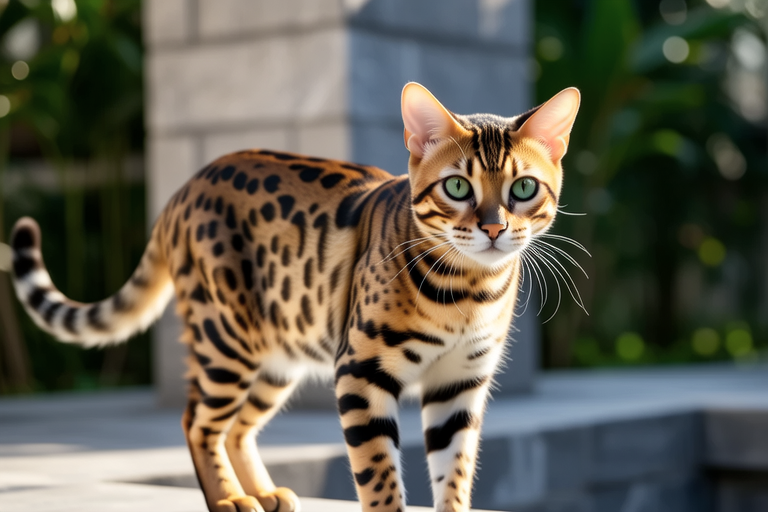
Bengal cats are one of the most popular and striking breeds in the world today. Known for their sleek, spotted coats that resemble those of wild leopards, Bengal cats have captured the hearts of many cat lovers. Their captivating appearance is matched only by their playful and intelligent nature, making them a favorite among both first-time and seasoned pet owners. This article aims to provide a comprehensive guide to Bengal cats, covering everything from their origins to care requirements and beyond.
The Origins of Bengal Cats
Bengal cats trace their lineage back to the crossbreeding of domestic cats with the Asian Leopard Cat (ALC), a small wild feline native to Asia. The breeding program began in the 1960s when Jean Mill, an American breeder, sought to create a cat with the exotic beauty of the leopard but the gentle temperament of a house cat. Over several generations, breeders refined the breed, resulting in a stunning domestic animal that retains the wild look of its ancestors while being completely safe and enjoyable as a pet.
Physical Characteristics
Bengal cats are medium to large-sized cats with muscular bodies and a strong build. They have a short, thick coat that is often described as “velvety” due to its soft texture. One of the most distinctive features of Bengal cats is their coat pattern, which can vary from spots to marbled designs. These patterns are reminiscent of the rosettes found on leopards, adding to their wild appearance. Bengal cats also have large, expressive eyes that can be green or gold, further enhancing their exotic allure.
Temperament and Personality
Bengal cats are known for their high energy levels and playful personalities. They are curious and active, often engaging in games that involve climbing, jumping, and chasing toys. Despite their wild looks, they are affectionate and enjoy spending time with their human companions. Bengal cats are intelligent and can be trained to perform tricks, making them an ideal choice for owners who want a more interactive relationship with their pets. However, their high activity levels mean that they require plenty of mental and physical stimulation to stay happy and healthy.
Care Requirements
Due to their active nature, Bengal cats need ample space to explore and play. Providing them with vertical spaces like shelves or cat trees is essential for their wellbeing. Regular exercise is crucial, so consider interactive toys or even teaching your Bengal to walk on a leash. Grooming is relatively easy; their short coat requires minimal brushing, but regular nail trimming and dental care are necessary to maintain good hygiene.
Health Considerations
Like all breeds, Bengal cats come with specific health concerns. Common issues include hip dysplasia, heart problems, and certain genetic disorders. Regular veterinary check-ups are vital to catch any potential health issues early. It’s important to note that some Bengal cats may be sensitive to anesthesia, so always inform your vet if you’re bringing in a Bengal for surgery.
Dietary Needs
Bengal cats thrive on a balanced diet rich in protein. High-quality commercial cat foods, especially those designed for active breeds, are recommended. Fresh water should always be available. Some Bengal owners choose to supplement their cat’s diet with raw meat, but this should be done cautiously and under professional advice to avoid health risks such as parasites or nutritional imbalances.
Common Behaviors
Bengal cats are vocal and communicative, often using a variety of sounds to express themselves. They can be quite vocal, especially when seeking attention or food. Another characteristic behavior is their love for water; Bengals are known to splash around in water bowls or bathe in sinks, making them unique among cat breeds. Owners should be prepared for this curiosity and ensure that water sources are easily accessible and clean.
Training and Socialization
Training Bengal cats involves patience and positive reinforcement. Clicker training can be particularly effective for teaching commands and tricks. Socializing Bengals from a young age helps them become comfortable around other animals and people, reducing any potential behavioral issues. Early exposure to different environments and experiences can help shape a well-rounded and adaptable Bengal cat.
Tips for Potential Owners
Considering a Bengal cat as a pet comes with significant responsibilities. First, ensure that you can provide the level of interaction and exercise they require. Second, prepare for the costs associated with proper care, including quality food, toys, and veterinary visits. Finally, remember that while Bengal cats are generally friendly, they may not be suitable for homes with very young children or other pets that aren’t accustomed to high-energy cats.
The rewards of owning a Bengal cat are numerous. Their intelligence, loyalty, and playful nature make them delightful companions. With the right care and attention, a Bengal cat can bring years of joy and companionship to your home. By understanding their unique needs and providing them with the love and attention they deserve, you can ensure a fulfilling life for both you and your Bengal cat.
