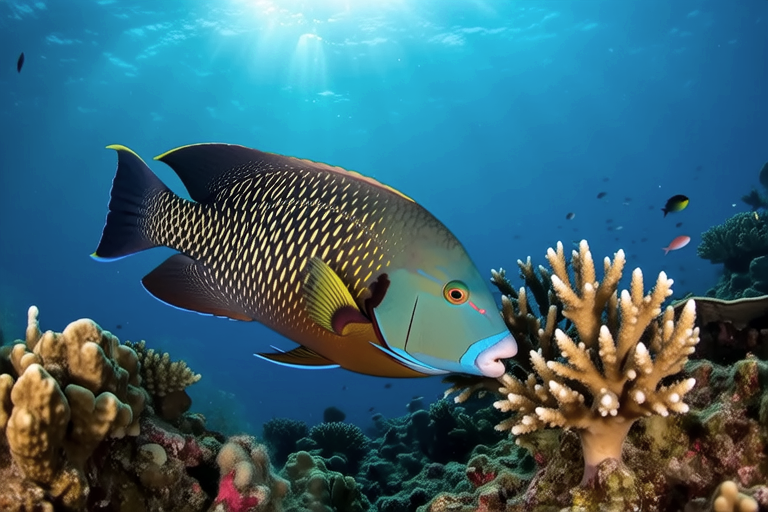
Protecting Paradise: Why We Should Care About Parrot Fish Populations
Parrot fish are some of the most visually striking creatures found in coral reef ecosystems. Known for their vibrant colors, which can range from electric blues and greens to fiery reds and oranges, these fish are not just eye-catching; they play a critical role in maintaining the health of coral reefs around the world. With their unique beak-like mouths, parrot fish graze on algae, promoting coral growth, and recycling nutrients essential for marine life. Understanding the significance of these fish is key to preserving the delicate balance of our oceans.
The Vibrant World of Parrot Fish
Parrot fish are a diverse group of about 90 species, found primarily in tropical and subtropical waters. They are known for their striking colors and patterns, which serve various purposes, including camouflage, communication, and attracting mates. These fish have a fascinating life cycle, with many species changing color and sometimes even gender as they mature. The males of some species can also form harems, which further adds to the complexity of their social structure.
One of the most recognizable features of parrot fish is their beak-like mouth, which they use to scrape algae off rocks and coral. This feeding behavior not only provides them with sustenance but also plays a crucial role in the maintenance of coral reefs. By removing excess algae, parrot fish prevent it from smothering and outcompeting corals for sunlight and space, thus ensuring the survival of the reef ecosystem.
The Role of Parrot Fish in Coral Reef Health
Parrot fish contribute significantly to the health of coral reefs through their grazing activities. They consume vast amounts of algae, which can otherwise overgrow and choke corals, leading to their death. A single large parrot fish can consume up to one ton of algae per year, making them indispensable in controlling algal blooms. This grazing activity helps promote coral growth by clearing space for new polyps to settle and grow.
In addition to their direct impact on algae, parrot fish also recycle nutrients within the reef ecosystem. As they digest algae, they produce sand through the excretion of fine particles. This process is crucial for the formation of beaches and islands, particularly in areas like the Caribbean and the Maldives. Without the contribution of parrot fish, these areas would not have the same level of beach replenishment, which is vital for both tourism and coastal protection.
Threats to Parrot Fish Populations
Despite their importance, parrot fish populations face numerous threats that jeopardize their survival and, consequently, the health of coral reefs. Overfishing is one of the most significant dangers. Many species of parrot fish are highly valued for their meat, and they are often caught using unsustainable methods, such as blast fishing and cyanide poisoning. These practices not only deplete fish populations but also damage the surrounding reef structures.
Habitat destruction is another major threat. Coastal development, pollution, and climate change all contribute to the degradation of coral reefs, which are the primary habitats for parrot fish. As these environments deteriorate, so do the living conditions for parrot fish, leading to reduced reproduction rates and increased mortality. Furthermore, rising sea temperatures due to climate change can cause coral bleaching, a phenomenon where corals expel the symbiotic algae living in their tissues, turning white and often dying. This loss of habitat directly impacts the survival of parrot fish.
The Broader Implications of Declining Parrot Fish Numbers
The decline of parrot fish populations has far-reaching consequences for marine biodiversity and coastal protection. As these fish are removed from the ecosystem, the balance between algae and corals is disrupted, leading to a cascade of effects. Algae can take over the reef, outcompeting corals for space and resources. This shift can lead to the collapse of entire reef systems, with devastating impacts on the thousands of species that depend on them for food and shelter.
Coastal communities also rely heavily on healthy coral reefs for protection against storms and erosion. Reefs act as natural barriers, dissipating wave energy and reducing the impact of storm surges. Without the presence of parrot fish to maintain reef health, these protective structures weaken, leaving coastal areas more vulnerable to natural disasters. Additionally, the economic benefits derived from tourism and fisheries are at risk, as the vibrant ecosystems that attract visitors and provide livelihoods are degraded.
Actionable Steps for Conservation
To protect parrot fish populations and the ecosystems they sustain, several actions can be taken. First and foremost, sustainable fishing practices must be promoted and enforced. Implementing regulations that limit fishing quotas and ban destructive techniques like blast fishing and cyanide poisoning is essential. Additionally, creating marine protected areas (MPAs) can provide safe havens for parrot fish to reproduce and thrive. These areas can also serve as refuges for other marine species, contributing to overall biodiversity.
Efforts to combat climate change are equally important. Reducing greenhouse gas emissions and supporting initiatives aimed at mitigating global warming can help stabilize ocean temperatures and reduce the frequency of coral bleaching events. Local communities can also play a role by participating in reef restoration projects and adopting environmentally friendly practices, such as reducing plastic waste and minimizing pollution.
Educating the public about the importance of parrot fish and coral reefs is another crucial step. Raising awareness can encourage more people to support conservation efforts and make informed choices when traveling or consuming seafood. Schools and community centers can organize workshops, seminars, and field trips to educate the next generation about the value of marine ecosystems.
Conclusion
Parrot fish are not just beautiful additions to our oceans; they are vital components of coral reef ecosystems. Their role in controlling algae growth, promoting coral health, and contributing to nutrient cycling cannot be overstated. Protecting these fish is essential for maintaining the ecological balance of our oceans and ensuring the survival of countless marine species. By taking action to conserve parrot fish populations, we can preserve the vibrant and diverse ecosystems that define our underwater paradise. Let us commit to safeguarding these remarkable creatures for future generations to appreciate and enjoy.
