Living with a Siberian Husky: Tips and Tricks from Experienced Owners
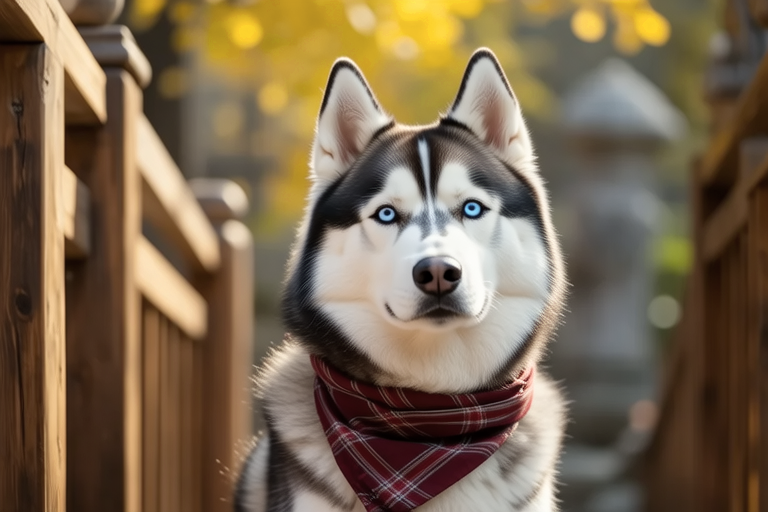
Welcome to the world of Siberian Huskies! Known for their striking blue or multi-colored eyes, thick coats, and playful personalities, these dogs are beloved by many. However, owning a Siberian Husky comes with its own set of challenges. This guide will provide you with essential tips and tricks from experienced owners to help you navigate the joys and complexities of living with a Siberian Husky.
Understanding Your Siberian Husky
Siberian Huskies are an ancient breed, originally bred by the Chukchi people of Siberia for sled pulling and companionship. They are known for their endurance, strength, and resilience. Huskies are pack animals, which means they thrive in social environments and love being around people. They are also highly intelligent and independent, traits that can make them both wonderful companions and challenging pets.
One of the most endearing traits of Siberian Huskies is their striking appearance. Their thick double coat, which protects them from harsh weather conditions, requires regular grooming. Their expressive eyes, which can be blue, brown, or a combination of both, add to their charm. Huskies are also known for their unique vocalizations, including howling, barking, and yodeling. While this can be a delightful sound, it’s important to manage it if it becomes excessive.
“My Husky, Loki, has the most beautiful blue eyes I’ve ever seen. He’s like a living work of art, but don’t let his looks fool you – he’s got a mind of his own!” – Sarah, Husky owner for 8 years
Essential Training Methods
Training a Siberian Husky can be challenging due to their independent nature, but it’s crucial for ensuring a well-behaved and happy dog. Start by establishing yourself as the leader of the pack. Consistency is key in training, so make sure everyone in your household follows the same rules and commands.
- Positive Reinforcement: Use treats, praise, and playtime to reward good behavior. This method encourages your Husky to repeat the desired actions.
- Short Training Sessions: Huskies have short attention spans, so keep training sessions brief and engaging.
- Early Socialization: Expose your Husky to various people, animals, and environments when they’re young to prevent fear or aggression later on.
Leash training is particularly important for Huskies because of their strong prey drive and tendency to wander. Always use a secure leash and harness to ensure your Husky stays safe while walking.
“Training my Husky was a journey, but the positive reinforcement approach really worked wonders. Now she listens to me more than she listens to herself!” – Mark, Husky owner for 5 years
Dietary Needs
Siberian Huskies require a balanced diet rich in protein, fats, and carbohydrates to maintain their energy levels and muscle mass. High-quality commercial dog food is usually sufficient, but consult with your veterinarian to determine the best diet for your Husky based on their age, weight, and activity level.
Avoid feeding your Husky table scraps or human food, as some foods can be harmful to dogs. For example, chocolate, onions, and grapes can cause serious health problems. Instead, offer healthy snacks like carrots, apples, or green beans.
Ensure your Husky always has access to fresh water, especially during hot weather or after exercise. Dehydration can be dangerous for dogs, so monitor their water intake regularly.
Exercise Routines
Siberian Huskies are high-energy dogs that require plenty of physical activity to stay healthy and happy. Regular exercise helps burn off excess energy, reduces behavioral issues, and strengthens the bond between you and your dog.
- Walking: Take your Husky for long walks daily. They enjoy exploring new environments and sniffing around, so allow them time to do so.
- Running: If possible, run alongside your Husky. They are built for endurance and can cover long distances at a steady pace.
- Playing: Engage in games like fetch or tug-of-war to stimulate both their body and mind.
Remember that Siberian Huskies are pack animals, so they enjoy activities that involve interaction with their owners. Incorporating training exercises into your routine can also serve as a form of mental stimulation.
“I take my Husky, Charlie, for runs in the park every weekend. It’s our special time together, and he loves showing off his speed!” – Emily, Husky owner for 3 years
Grooming Tips
Siberian Huskies have a thick double coat that requires regular grooming to prevent matting and skin issues. Brush your Husky at least twice a week, and increase the frequency during shedding season (usually spring and fall). A slicker brush works well for removing loose hair and preventing tangles.
Bathing your Husky is generally unnecessary unless they get dirty or have a strong odor. Over-bathing can strip their coat of natural oils, leading to dryness and irritation. When bathing is necessary, use a gentle dog shampoo and rinse thoroughly to avoid residue buildup.
Trim your Husky’s nails regularly to prevent overgrowth and discomfort. Check their ears weekly for signs of infection or debris, and clean them gently if needed. Brush their teeth at least three times a week to promote oral hygiene and prevent dental disease.
“Grooming my Husky, Daisy, is like spending quality time with her. She enjoys the attention, and it keeps her coat looking fabulous!” – Karen, Husky owner for 6 years
Common Health Issues
While Siberian Huskies are generally healthy dogs, they are prone to certain genetic conditions. Being aware of these potential issues can help you provide the best care for your furry friend.
- Cataracts: Many Huskies develop cataracts as they age, leading to vision loss. Regular eye exams can help catch this condition early.
- Progressive Retinal Atrophy (PRA): This inherited disease causes progressive vision loss and eventual blindness. PRA can be diagnosed through genetic testing.
- Hypothyroidism: This condition occurs when the thyroid gland doesn’t produce enough hormones, leading to weight gain, lethargy, and other symptoms. Blood tests can diagnose hypothyroidism, and medication can manage the condition.
Regular veterinary check-ups are essential for maintaining your Husky’s health. Discuss any concerns with your vet, and follow their recommendations for vaccinations, deworming, and flea/tick prevention.
Practical Advice for First-Time Owners
Owning a Siberian Husky can be a rewarding experience, but it requires dedication and patience. Here are some practical tips for first-time owners:
- Research: Learn as much as you can about Siberian Huskies before bringing one home. Understand their needs, behaviors, and potential challenges.
- Prepare: Set up a comfortable and safe living space for your Husky. Provide them with a cozy bed, toys, and a designated area for eating and sleeping.
- Patience: Training and bonding with your Husky may take time, so be patient and consistent. Celebrate small victories along the way.
“When I first brought my Husky, Max, home, I was overwhelmed. But with time and patience, we’ve formed a strong bond, and now he’s my best friend.” – John, first-time Husky owner
Conclusion
Living with a Siberian Husky is a unique and rewarding experience. These dogs are full of personality, energy, and love, but they require proper care, training, and attention. By following the tips and tricks shared by experienced owners, you can ensure a happy and healthy life for your Husky. Remember, every dog is different, so adapt these guidelines to suit your individual pet’s needs. With dedication and love, you’ll create a wonderful life for both you and your Siberian Husky.
