The Surprising History and Traits of Japan’s Iconic Shiba Inu
The Shiba Inu, often referred to as the ‘little brushwood dog,’ is one of Japan’s oldest and most cherished breeds. Known for its fox-like appearance and spirited nature, the Shiba Inu has captured the hearts of dog lovers worldwide. This article delves into the breed’s ancient origins, its role in Japanese culture, its near extinction and subsequent revival, physical characteristics, temperament, and how these traits have been shaped over centuries.
Ancient Origins: A Legacy Rooted in History
The Shiba Inu’s history stretches back thousands of years, making it one of the oldest dog breeds in existence. Originating in Japan, these dogs were initially bred for hunting in the mountainous regions of Honshu, Shikoku, and Kyushu. Their name, ‘Shiba,’ means ‘brushwood’ in reference to the underbrush and shrubs of the wild areas where they hunted. The term ‘Inu’ simply means ‘dog.’ These dogs were used for flushing out small game such as birds and rabbits, thanks to their agility, keen sense of smell, and silent hunting techniques.
Archaeological evidence suggests that Shibas have existed in Japan since at least the Jomon period (14,000 BC – 300 AD). They were highly valued by Japanese nobility for their hunting prowess and loyalty. Over time, Shibas became more than just working dogs; they also held a significant place in Japanese culture, symbolizing purity and the connection between humans and nature.
Role in Japanese Culture: More Than Just a Pet
In Japanese society, Shibas have always been more than just pets or working animals. They are deeply embedded in the cultural fabric, often depicted in art, literature, and folklore. For instance, Shibas are frequently featured in traditional ukiyo-e woodblock prints, which showcase the beauty of Japanese landscapes and daily life. These dogs have also been immortalized in poetry and children’s stories, further cementing their status as cultural icons.
Shibas are known for their resilience and adaptability, traits that have allowed them to thrive in various environments across Japan. Their ability to navigate rugged terrain and endure harsh weather conditions has made them symbols of perseverance and strength. These qualities resonate with many Japanese people who value discipline, hard work, and endurance.
Near Extinction and Revival: A Tale of Survival
The Shiba Inu narrowly escaped extinction during World War II. As Japan faced economic hardship and food shortages, many Shibas were killed for meat, and others succumbed to diseases like distemper. By the end of the war, only three distinct bloodlines remained: the Mino, Shinshu, and San’in. Thanks to the efforts of dedicated breeders and enthusiasts, these lines were preserved and crossbred to create the modern Shiba Inu.
The revival of the Shiba Inu was not just about saving a breed but also about preserving a piece of Japan’s heritage. In 1936, the Shiba Inu was officially recognized as a national treasure by the Japanese government. This recognition underscored the breed’s importance to Japanese culture and ensured its survival for future generations.
Physical Characteristics: A Picture of Perfection
The Shiba Inu is a medium-sized dog, standing about 35-43 cm tall at the shoulder and weighing around 7-11 kg. Their compact build, muscular frame, and agile movements make them well-suited for their original hunting role. Shibas have a double coat, with a soft undercoat and a coarse outer coat that protects them from the elements. Their fur can be red, sesame (red with black-tipped hairs), black and tan, or cream.
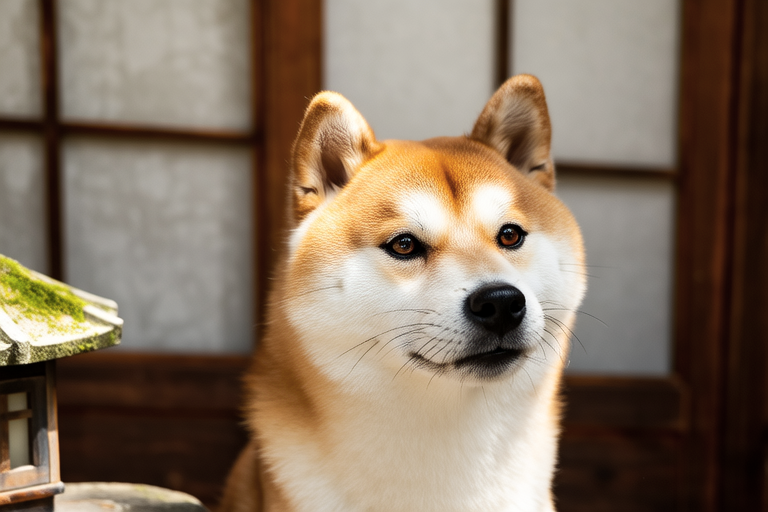
One of the most striking features of the Shiba Inu is its fox-like face, characterized by triangular ears, dark eyes, and a pointed muzzle. This unique appearance, combined with their alert expression, gives Shibas an almost otherworldly charm. Their tails are typically curled over their backs, adding to their distinctive silhouette.
Shibas are known for their cleanliness and grooming habits. They are relatively low-maintenance when it comes to grooming, though regular brushing is recommended to prevent matting and reduce shedding. Their natural instinct to clean themselves keeps them relatively odor-free, making them an ideal choice for apartment living.
Temperament: Independent Yet Loyal
Shibas are often described as having a ‘cat-like’ personality due to their independence, curiosity, and tendency to groom themselves. While they are affectionate towards their families, Shibas can be reserved with strangers and may show aggression towards other dogs if not properly socialized. This independent streak is part of what makes Shibas so intriguing to potential owners. It requires patience and consistency in training but ultimately leads to a strong bond between owner and dog.
Despite their aloofness, Shibas are fiercely loyal to their families. They are protective and will bark to alert their owners of any perceived threats. This combination of independence and loyalty makes Shibas excellent companions for those seeking a dog that is both self-sufficient and devoted.
Adaptability: Thriving in Modern Life
Shibas have adapted remarkably well to modern life, thriving in both urban and rural settings. Their small size, moderate exercise needs, and low maintenance grooming requirements make them suitable for apartment living. However, Shibas still require regular walks and mental stimulation to keep them happy and healthy. Interactive toys, puzzle feeders, and obedience training can help satisfy their intelligence and prevent boredom-related behaviors.
Shibas are versatile dogs that excel in various activities, including agility, obedience, and therapy work. Their agility and quick reflexes make them naturals at obstacle courses, while their intelligence and trainability make them excellent candidates for obedience competitions. Shibas also make wonderful therapy dogs, providing comfort and companionship to those in need.
Global Appeal: Why Shibas Are Beloved Worldwide
Today, Shibas are beloved not just in Japan but around the world. Their unique appearance, playful personalities, and strong bonds with their owners have won them fans everywhere. Shibas have become internet sensations, with countless memes, videos, and photos showcasing their quirky behavior and mischievous expressions.
While Shibas may not be for everyone, their growing popularity speaks to their universal appeal. Whether you’re a seasoned dog lover or new to pet ownership, Shibas offer a rewarding experience. Their combination of independence, loyalty, and adaptability makes them an excellent choice for many households.
Conclusion: A Timeless Companion
The Shiba Inu’s journey from ancient Japan to the modern world is a testament to its enduring appeal. From its humble beginnings as a hunting dog to its current status as a beloved companion animal, the Shiba Inu has captivated hearts and minds for centuries. Its unique blend of independence, loyalty, and adaptability continues to make it a popular choice among dog enthusiasts worldwide.
Whether you’re drawn to Shibas for their striking appearance, their playful personalities, or their rich cultural heritage, there’s no denying that these little dogs have earned their place as icons of Japan and beyond. As we look to the future, it’s clear that the Shiba Inu will continue to inspire and delight dog lovers for generations to come.
