Orange Cats and Their Unique Behaviors Explained
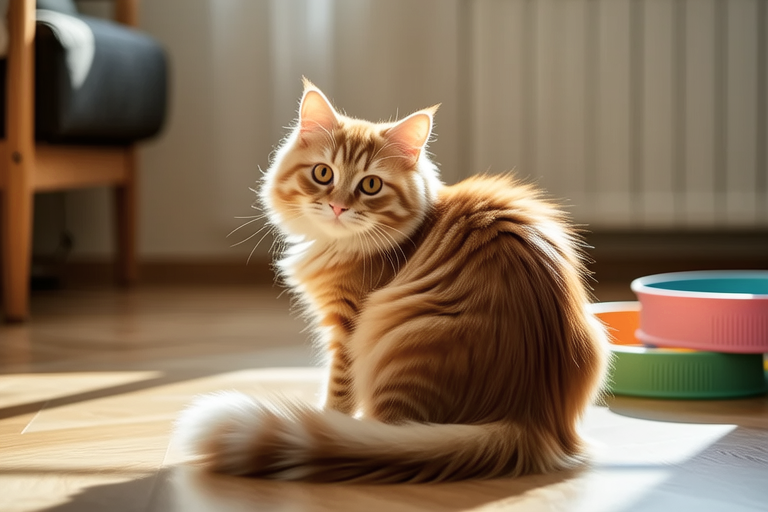
Orange cats have long been a favorite among cat enthusiasts due to their striking appearance and endearing personalities. These felines, often referred to as ginger, marmalade, or red cats, boast a vibrant coat color that can range from light cream to deep copper. The genetic basis for their distinctive hue lies in a single gene, known as the orange gene, which is linked to the X chromosome. This makes it more likely for male cats to be orange, as they only inherit one X chromosome, while females require two copies of the gene to exhibit this coloring. The result is a visually striking animal that captures attention wherever it goes.
The Popularity of Orange Cats
The popularity of orange cats is undeniable. Their bright fur stands out in any setting, making them easily recognizable and charming. Many people are drawn to the warmth and friendliness often associated with these cats. In fact, studies have shown that orange cats are frequently chosen as pets because of their appealing appearance and gentle demeanor. This preference isn’t just superficial; there’s evidence suggesting that orange cats may possess certain behavioral traits that make them particularly lovable companions.
Behavioral Traits of Orange Cats
Sociability
One of the most notable characteristics of orange cats is their high level of sociability. They tend to form strong bonds with their human families and other pets, often seeking out interaction and affection. This trait is particularly evident in kittens, who are naturally playful and curious, but it persists into adulthood. Orange cats are generally more inclined to engage with their environment and the people around them compared to some other breeds.
Scientifically speaking, this sociability could be linked to the genetic factors that influence their coat color. Research suggests that the same genetic variations responsible for producing the orange pigment may also affect neurotransmitter levels, such as dopamine, which plays a crucial role in social behavior and reward processing. As a result, orange cats might experience heightened pleasure from social interactions, reinforcing their desire to bond with their caregivers.
In everyday situations, this sociability manifests in various ways. For example, an orange cat might greet its owner at the door with purring and headbutts, seeking attention and reassurance. They are also more likely to participate in family activities, curling up next to you on the couch or joining in on game nights. This close connection can create a sense of security for both the cat and its human companions, strengthening the bond between them.
Vocalization Patterns
Another defining feature of orange cats is their tendency towards frequent vocalization. While many cats meow to communicate, orange cats often do so more persistently and with greater enthusiasm. This behavior can range from soft chirps and trills to louder, more insistent calls, depending on the cat’s mood and what it wants to convey.
Research indicates that vocalization patterns in cats are influenced by environmental factors as well as genetics. Orange cats, with their higher levels of dopamine, may be more prone to vocalizing as a way to express emotions and seek attention. This trait can sometimes be mistaken for demanding behavior, but it often reflects a genuine need for interaction and engagement.
Owners of orange cats might notice this behavior when trying to get their attention during feeding times or play sessions. The cat might vocalize repeatedly until it gets the desired response. However, it’s important to note that this doesn’t mean the cat is being manipulative; rather, it’s simply an expression of its need for social interaction and stimulation.
Playfulness
Orange cats are renowned for their playful nature, which can be traced back to their kittenhood. Even as adults, they retain a youthful exuberance and curiosity that keeps them active and engaged. This playfulness is not just about physical activity but also involves mental stimulation and problem-solving. Orange cats enjoy chasing toys, pouncing on prey-like objects, and even playing fetch, showcasing their agility and coordination.
From a scientific perspective, the playfulness of orange cats could be attributed to the same genetic influences that contribute to their sociability and vocalization patterns. The combination of dopamine and other neurotransmitters involved in reward processing encourages these cats to engage in activities that provide enjoyment and satisfaction. Additionally, their playful behavior helps them maintain good physical health and mental well-being, reducing stress and promoting overall happiness.
In daily life, this playfulness can be observed in various scenarios. For instance, an orange cat might chase after a feather toy with great intensity, leaping and twisting in mid-air to catch it. It might also show interest in interactive games like laser pointers or puzzle feeders, demonstrating its problem-solving skills and natural hunting instincts. Encouraging these playful behaviors through regular play sessions can strengthen the bond between the cat and its owner while keeping the cat mentally and physically healthy.
Understanding and Caring for Your Orange Cat
Given the unique behaviors of orange cats, it’s essential for owners to understand and cater to their needs appropriately. Here are some tips to help you build a stronger relationship with your orange cat:
- Provide ample opportunities for social interaction: Since orange cats thrive on social connections, make sure to spend quality time with your cat each day. Engage in activities that both of you enjoy, whether it’s cuddling on the couch or playing together.
- Encourage vocal communication: Respond positively to your cat’s vocalizations by acknowledging its presence and providing attention when appropriate. This reinforces the bond and helps satisfy its need for interaction.
- Offer mental and physical stimulation: Keep your orange cat entertained and challenged by providing a variety of toys and games. Rotate different items periodically to prevent boredom and encourage continued engagement.
- Be patient and understanding: Recognize that your orange cat’s behavior stems from its genetic makeup and inherent personality traits. Approach any challenges with empathy and patience, focusing on positive reinforcement techniques to guide desirable behaviors.
By embracing the unique qualities of orange cats and tailoring your approach accordingly, you can foster a loving and fulfilling relationship with your feline companion. Remember, every cat is an individual, so take the time to learn what makes your orange cat tick and adjust your caregiving practices accordingly. With proper understanding and care, you’ll enjoy many years of companionship and joy together.
