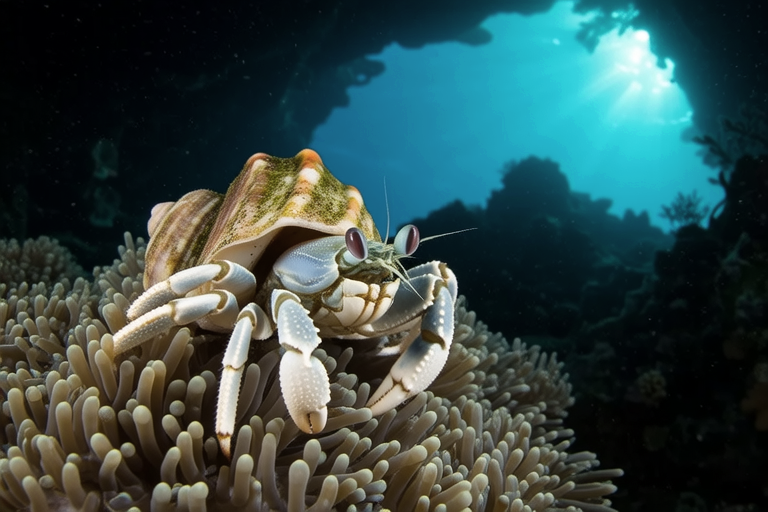
The Fascinating World of Pea Crabs: Miniature Marvels of the Marine Ecosystem
Pea crabs, belonging to the family Pinnotheridae, are diminutive crustaceans that have captured the imagination of marine biologists and enthusiasts alike. Despite their small stature, these creatures play an essential role in marine ecosystems and engage in remarkable symbiotic relationships. This article delves into the unique life cycle, habitat, and interactions of pea crabs, shedding light on their fascinating biology and the challenges they face.
A Life Cycle Shaped by Symbiosis
The life cycle of pea crabs is closely intertwined with their hosts, a phenomenon known as obligate parasitism. Pea crabs spend their entire lives inside the bodies of mollusks, such as oysters, mussels, and sea cucumbers, from which they derive protection and nutrition. The female pea crab lays her eggs within the host’s mantle cavity, where the larvae develop and eventually hatch. Once hatched, the tiny larvae must find a suitable host to continue their growth and development. This delicate process underscores the importance of the symbiotic relationship between pea crabs and their hosts.
Habitat and Adaptations
Pea crabs inhabit diverse marine environments, including coastal waters, estuaries, and deep-sea habitats. Their small size and flattened bodies enable them to fit snugly within the protective shells of their hosts. This adaptation allows them to avoid predators while gaining access to a steady supply of nutrients. Additionally, pea crabs possess specialized appendages that help them cling to the internal surfaces of their hosts, ensuring they remain securely in place during the host’s movements.
Symbiotic Relationships: A Tale of Coexistence
The symbiotic relationship between pea crabs and their hosts is mutually beneficial. While the crabs receive shelter and food, the hosts benefit from the crabs’ presence through improved water flow and filtration. Some studies suggest that the presence of pea crabs may even enhance the reproductive success of their hosts. This intricate relationship highlights the interconnectedness of marine ecosystems and the delicate balance maintained by symbiotic organisms.
The Role of Pea Crabs in Marine Ecosystems
Despite their small size, pea crabs play a significant role in marine ecosystems. They contribute to nutrient cycling by breaking down organic matter and recycling nutrients back into the environment. Furthermore, their presence within their hosts can influence the behavior and physiology of their hosts, potentially affecting the broader ecosystem. By studying pea crabs and their interactions, researchers gain valuable insights into the complex dynamics of marine ecosystems.
Interesting Facts About Pea Crabs
Pea crabs exhibit several unique characteristics that set them apart from other marine organisms. For instance, their flattened bodies allow them to maneuver within tight spaces, and their transparent exoskeletons make them nearly invisible to potential predators. Additionally, pea crabs are highly mobile within their hosts, moving between different areas to optimize feeding and reproduction. These adaptations demonstrate the remarkable evolutionary strategies employed by these miniature marvels.
Challenges Faced by Pea Crabs
Pea crabs face numerous challenges in their quest for survival. Habitat destruction, pollution, and climate change pose significant threats to their existence. As human activities continue to alter marine environments, pea crabs may struggle to find suitable hosts and maintain their delicate balance with their ecosystems. Conservation efforts aimed at protecting marine habitats and reducing pollution are crucial for safeguarding the future of pea crabs and the ecosystems they inhabit.
Recent Scientific Discoveries
In recent years, scientists have made several groundbreaking discoveries regarding pea crab biology. Researchers have uncovered new species of pea crabs and gained a deeper understanding of their genetic diversity. Studies have also revealed previously unknown aspects of their behavior and ecology, including novel communication methods and reproductive strategies. These findings contribute to our knowledge of marine biodiversity and highlight the importance of continued research in this field.
Conclusion
Pea crabs are truly remarkable creatures, embodying the resilience and adaptability of marine life. Their unique life cycle, habitat preferences, and symbiotic relationships underscore the complexity and beauty of marine ecosystems. By exploring the world of pea crabs, we gain a greater appreciation for the intricate web of life that exists beneath the waves. As we continue to learn more about these miniature marvels, it becomes increasingly clear that the preservation of marine biodiversity is essential for the health and sustainability of our planet.
