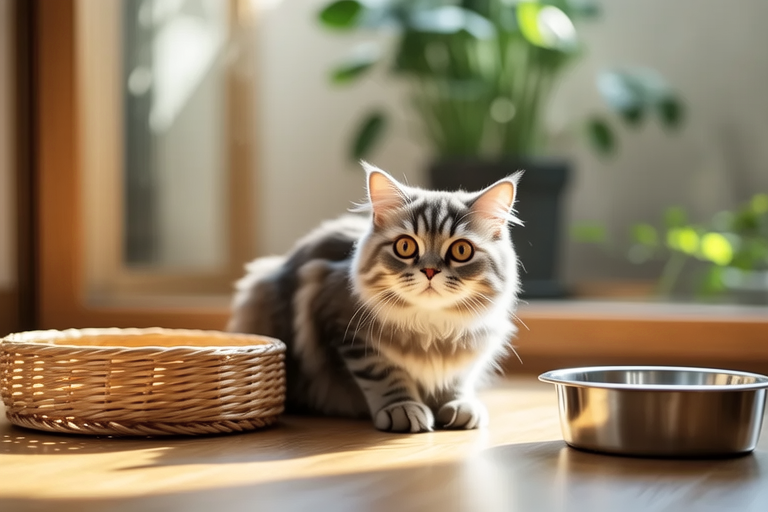
Life with a Munchkin: A Complete Guide for New Owners
Welcome to the wonderful world of Munchkin cats! These charming and unique felines have captured the hearts of many cat lovers due to their distinctive appearance and delightful personalities. With their short legs and elongated bodies, Munchkins are as intriguing as they are adorable. This comprehensive guide will provide you with all the information you need to ensure a happy and healthy life for your Munchkin cat.
Understanding Your Munchkin Cat
Munchkin cats are known for their unusually short legs, which are the result of a naturally occurring genetic mutation. Despite this trait, they are active, playful, and full of energy. Their bodies are proportionally longer than those of other breeds, giving them a distinct appearance that is both endearing and unique.
These cats come in various coat types and colors, making each Munchkin as individual as the next. Their temperaments can vary, but most are friendly, affectionate, and social, often thriving in homes where they receive plenty of attention and interaction.
However, it’s important to be aware of some common health issues associated with the breed. Due to their unique physiology, Munchkin cats may face challenges such as spinal problems, joint issues, and respiratory difficulties. Regular veterinary check-ups are crucial to monitor their health and address any concerns promptly.
Selecting the Right Veterinarian
Choosing a veterinarian who understands the specific needs of Munchkin cats is essential. Look for a vet with experience in caring for small-breed cats and one who can provide personalized care based on your Munchkin’s unique requirements. Ask for recommendations from fellow Munchkin owners or consult online forums dedicated to the breed.
Dietary Recommendations
Feeding your Munchkin cat a balanced and nutritious diet is vital for maintaining their overall health. High-quality commercial cat foods designed for indoor cats or those with specific dietary needs can be beneficial. Consult with your veterinarian to determine the best food options for your Munchkin, taking into account factors like age, activity level, and any existing health conditions.
Grooming Needs
Munchkin cats generally have low-maintenance grooming needs, depending on their coat type. Short-haired Munchkins require minimal brushing, while long-haired ones may need more frequent grooming to prevent matting. Regular brushing helps to distribute natural oils throughout their fur, keeping their coats shiny and healthy.
Exercise Routines
Despite their shorter legs, Munchkin cats are quite active and enjoy playtime. Engage them with interactive toys, such as feather wands or laser pointers, to encourage movement and mental stimulation. Providing vertical spaces, like cat trees or shelves, allows them to explore and reach higher vantage points, mimicking their natural climbing behavior.
Creating a Safe Home Environment
To ensure your Munchkin cat stays safe and comfortable, take precautions to create a secure living space. Use pet-safe cleaning products, secure loose wires, and place breakable items out of reach. Consider installing baby gates to restrict access to areas that may pose hazards, such as stairs or balconies.
Addressing Behavioral Challenges
Like any cat, Munchkins may exhibit behavioral issues that require patience and understanding. Common challenges include scratching furniture, inappropriate elimination, and excessive vocalization. Redirecting these behaviors with positive reinforcement techniques, such as offering alternative scratching posts or using pheromone diffusers, can help address these issues effectively.
Integrating Munchkin Cats into Families
Munchkin cats can thrive in households with children and other pets when introduced properly. Teach children how to handle the cat gently and supervise interactions to ensure safety for both parties. Introduce new pets gradually, allowing them to get accustomed to each other’s scents and presence before full integration.
Conclusion and Resources
Owning a Munchkin cat is a rewarding experience filled with joy and companionship. By understanding their unique characteristics, providing proper care, and fostering a loving environment, you can ensure a fulfilling life for both you and your Munchkin cat.
To learn more about Munchkin cats and connect with other owners, consider joining online communities, attending local cat shows, or participating in breed-specific events. These resources offer valuable insights and support, helping you navigate the journey of Munchkin ownership with confidence and enthusiasm.
