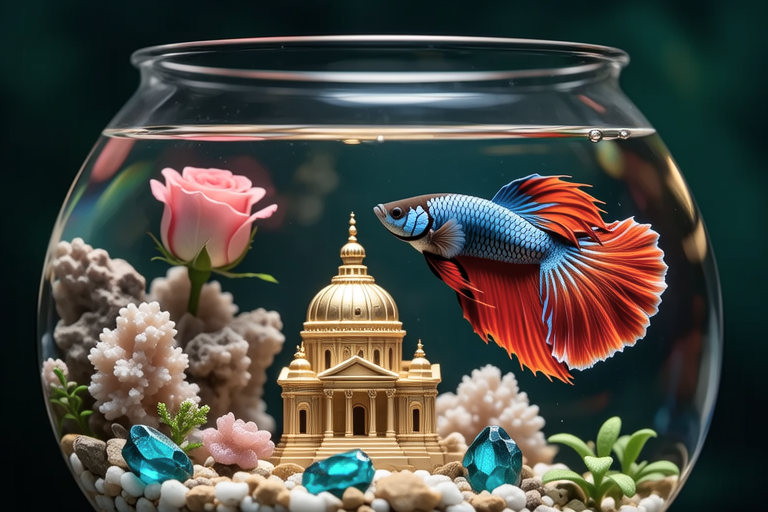
Designing and Building an Instagram-Worthy Habitat for Betta Fish
Welcome to this comprehensive guide on creating a visually stunning yet functional home for your betta fish. In this article, we will walk you through every step, from selecting the right tank and accessories to customizing and decorating the den to perfection. We’ll also provide tips for ensuring your betta’s safety and comfort, as well as suggestions for keeping the water clean and healthy.
Materials Needed
- Tank: A minimum of 2.5 gallons is recommended for a single betta fish, but larger tanks are better. Look for one with a wide base to prevent the fish from jumping out.
- Filtration System: Choose a filter that matches your tank size and provides gentle water flow.
- Heater: Bettas thrive in warm water, so a heater is essential to maintain a temperature between 78°F and 80°F (25°C to 27°C).
- Substrate: Gravel or sand can be used, but avoid sharp or large pieces that could harm the fish.
- Decorations: Include caves, plants, and other items to create hiding spots and visual interest.
- Water Conditioner: To remove harmful chemicals like chlorine and chloramine from tap water.
- Water Test Kit: For monitoring pH, ammonia, nitrite, and nitrate levels.
- Food: High-quality betta pellets or flakes.
Step-by-Step Instructions for Decorating the Den
Step 1: Set Up the Tank
- Place the tank on a stable surface away from direct sunlight and drafts.
- Fill the tank with dechlorinated water, leaving about an inch at the top for the filter and heater.
- Install the filter and heater, following the manufacturer’s instructions.
Step 2: Add Substrate
- Choose a substrate that is safe for bettas and easy to clean.
- Wash the substrate thoroughly before adding it to the tank.
- Spread the substrate evenly across the bottom of the tank.
Step 3: Decorate the Den
- Add live or artificial plants to create hiding spots and add visual interest.
- Incorporate caves, castles, and other decorations to personalize the tank.
- Consider adding floating decorations like lily pads or bridges for added depth.
Step 4: Final Touches
- Arrange the decorations to create a balanced and aesthetically pleasing layout.
- Ensure there are no sharp edges or small parts that could harm the fish.
- Turn on the filter and heater, and allow the tank to cycle for at least 24 hours before introducing the betta.
Tips for Ensuring Safety and Comfort
- Provide Hiding Spots: Bettas need places to hide and feel secure. Use caves, plants, and other decorations to create hiding spots.
- Avoid Overcrowding: Keep the tank simple and spacious to prevent stress and injury.
- Monitor Water Quality: Regularly test the water for pH, ammonia, nitrite, and nitrate levels, and perform partial water changes as needed.
- Feed Properly: Feed your betta high-quality food in appropriate quantities to prevent overfeeding and maintain water quality.
- Keep the Tank Clean: Regularly clean the tank and decorations to prevent the buildup of algae and debris.
Creative Ideas for Customization
- Color Scheme: Choose a color scheme that complements the tank’s natural tones and highlights the fish’s vibrant colors.
- Themed Decorations: Create a themed environment, such as a tropical paradise or underwater castle, by selecting decorations that fit the theme.
- Interactive Elements: Add interactive elements like floating toys or bubbles to engage the fish and make the tank more interesting.
- Lighting: Consider adding LED lighting to enhance the tank’s appearance and create a dynamic atmosphere.
- Backgrounds: Use printed backgrounds or paint the back glass of the tank to create a unique backdrop for photos and videos.
Maintenance and Water Quality Management
Regular Maintenance
- Water Changes: Perform weekly water changes of 25% to 50% to keep the water clean and healthy.
- Filter Cleaning: Clean the filter media monthly, replacing it as needed.
- Heater Check: Ensure the heater is functioning correctly and set to the appropriate temperature.
- Decorations: Clean decorations periodically to prevent the buildup of algae and debris.
Monitoring Water Quality
- Test Kits: Use test kits to monitor pH, ammonia, nitrite, and nitrate levels regularly.
- Adjustments: Make necessary adjustments to maintain optimal water conditions, such as adding pH buffers or performing additional water changes.
- Dechlorination: Always use a water conditioner to remove harmful chemicals from tap water before adding it to the tank.
Feeding and Nutrition
- High-Quality Food: Feed your betta high-quality pellets or flakes that are specifically formulated for bettas.
- Protein Sources: Incorporate occasional treats like frozen bloodworms or brine shrimp for variety.
- Portion Control: Feed your betta small portions twice daily, ensuring they consume all the food within two minutes.
Creating a Balanced Environment
- Space: Ensure the tank has enough space for the betta to swim and explore.
- Hiding Spots: Provide plenty of hiding spots to reduce stress and promote a sense of security.
- Temperature: Maintain a consistent temperature between 78°F and 80°F (25°C to 27°C) using a heater.
- Lighting: Provide adequate lighting, but avoid excessive exposure to direct sunlight or bright lights.
Conclusion
By following these steps and tips, you can create a beautiful and functional habitat for your betta fish that is both visually appealing and safe. Remember to prioritize your betta’s well-being while incorporating your personal style and creativity into the design. With proper care and maintenance, your betta will thrive in its new home and bring joy to your life for years to come.
