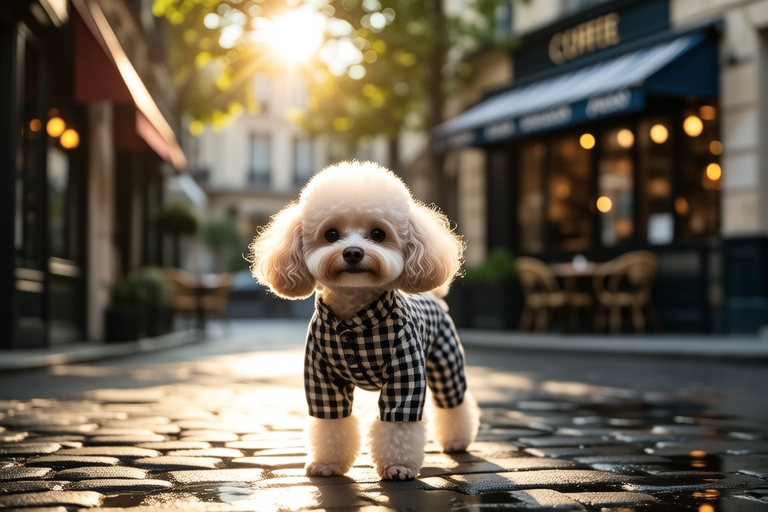
The Evolution of Poodles: From Water Retrievers to Elegance Icons
The poodle is one of the most recognizable dog breeds in the world, known for its distinctive curly fur and elegant demeanor. This versatile breed has a rich history that spans centuries, evolving from its origins as a water retriever in Germany to becoming an icon of Parisian elegance. In this article, we will explore the origins and evolution of poodles, their transformation into fashionable pets among European nobility, particularly in France, and their transition into various sizes. We’ll also discuss the breed’s intelligence, hypoallergenic qualities, iconic grooming styles, significant historical moments, and their adaptation into popular family pets globally.
Origins in Germany
The poodle’s history begins in Germany, where it was originally bred as a water retriever. The breed’s name comes from the German word “Pudel,” which means “puddle.” These dogs were highly valued for their intelligence, agility, and swimming abilities. Their dense, curly coats provided excellent protection against cold water, making them ideal for retrieving game from lakes and rivers. Early poodles were larger than the modern versions, but over time, breeders began to develop smaller varieties to suit different needs.
Transformation into Fashionable Pets
As poodles gained popularity, they became fashionable pets among European nobility, particularly in France. The French took a liking to the breed, and during the 16th century, poodles were often seen accompanying wealthy families on hunting trips and social outings. Their intelligence and trainability made them easy to handle, and their striking appearance added to their appeal. Over time, poodles became symbols of refinement and sophistication, especially in Paris, where they were often pampered and adorned with elaborate clothing.
Variations in Size
While the original poodles were large, breeders eventually developed smaller versions to meet the demands of different lifestyles. Today, there are three recognized sizes: standard, miniature, and toy. Each size retains the same essential characteristics, including intelligence, hypoallergenic qualities, and a distinctive coat. Standard poodles are the largest, standing at least 15 inches tall at the shoulder, while toy poodles are the smallest, typically no taller than 10 inches. Miniature poodles fall between these two extremes.
Intelligence and Hypoallergenic Qualities
Poodles are renowned for their intelligence, ranking near the top of all dog breeds in terms of trainability. This makes them ideal candidates for obedience training, agility competitions, and other activities that require mental engagement. Additionally, poodles are considered hypoallergenic, meaning they produce less dander and shed less fur than many other breeds. This quality has made them popular choices for people with allergies or sensitivities to pet dander.
Iconic Grooming Styles
The poodle’s signature curly fur requires regular grooming to maintain its shape and prevent matting. While some owners opt for practical cuts that allow for easier maintenance, others choose more elaborate styles that showcase the breed’s elegance. One such style is the Continental clip, which involves shaving the legs, hindquarters, and belly while leaving pom-poms on the hips, tail, and ears. Another popular option is the English saddle clip, which leaves hair on the back and hips while trimming the rest of the body.
Significant Moments in History
Poodles have played important roles in various historical events and cultural movements. During World War II, they were used by the U.S. military as messenger dogs due to their intelligence and loyalty. They also appeared in numerous films and television shows, further cementing their status as beloved companions. In addition, poodles have been featured in art and literature throughout history, from paintings by famous artists like Fragonard to novels by authors such as Mark Twain.
Cultural Adaptation and Popularity
Over time, poodles have adapted to various environments and become popular family pets around the globe. Their playful and trainable nature makes them excellent companions for children and adults alike. Many families appreciate the breed’s hypoallergenic qualities, making them a good choice for households with members who suffer from allergies. Furthermore, poodles’ versatility allows them to thrive in both urban and rural settings, whether living in an apartment or on a farm.
Conclusion
The poodle’s journey from water retriever to elegance icon is a testament to its enduring appeal and adaptability. From its origins in Germany to its rise in popularity among European nobility, this breed has captured the hearts of dog lovers worldwide. With their intelligence, hypoallergenic qualities, and distinctive grooming styles, poodles continue to be cherished companions in homes across the globe. Whether you’re drawn to their history, personality, or appearance, there’s no denying that poodles have earned their place as one of the most beloved dog breeds in the world.
