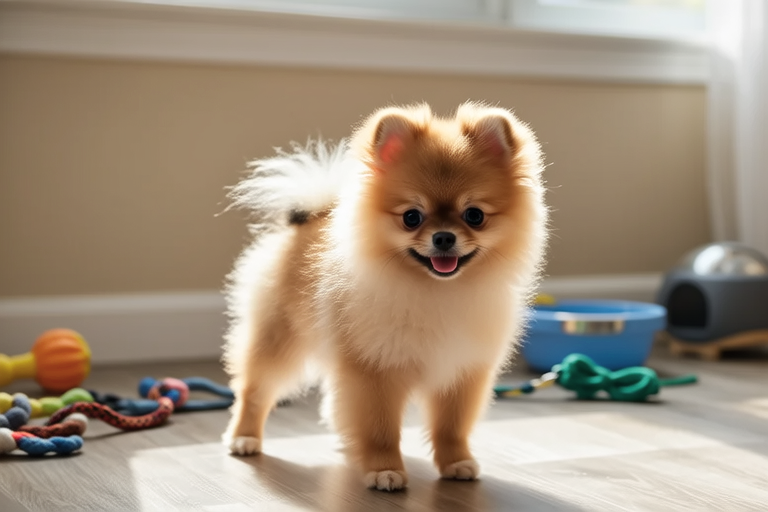
Pomeranian Parenting: Expert Tips for Raising a Happy and Healthy Pom
Introduction
The Pomeranian, often affectionately referred to as a Pom, is a breed that has captured the hearts of many dog lovers worldwide. Known for their small size and big personalities, these fluffy companions are popular pets. Originating from the German province of Pomerania, they have been cherished for centuries. Their charming appearance, combined with their alertness and playful demeanor, makes them ideal family members. Despite their diminutive stature, Pomeranians are full of spirit and require attentive parenting to thrive. This article will guide you through essential aspects of caring for your Pom, ensuring they live a happy and healthy life.
Essential Nutrition
Nutrition is paramount for the well-being of any dog, but it is especially critical for small breeds like the Pomeranian. Given their tiny frames and high metabolism, Poms need a diet rich in nutrients that supports their energy levels without causing obesity. Opt for high-quality dog food specifically formulated for small breeds or toy-sized dogs. These foods typically contain smaller kibble sizes and are packed with proteins, fats, and carbohydrates necessary for maintaining their active lifestyle. Avoid overfeeding, as even a few extra calories can lead to rapid weight gain. Consult your veterinarian to determine the appropriate portion sizes based on your Pom’s age, activity level, and overall health.
Exercise Routines
Physical and mental stimulation are vital for keeping your Pom healthy and happy. Due to their small size, Pomeranians may not be able to engage in rigorous outdoor activities like larger breeds. However, this does not mean they lack the need for exercise. Regular walks, ideally twice daily, are crucial for their physical health. These strolls should be brisk enough to raise their heart rate slightly, but not so intense that it exhausts them. Additionally, incorporating playtime indoors or in a safe outdoor area can provide much-needed mental stimulation. Puzzle toys, agility courses designed for small dogs, and interactive games are excellent ways to keep your Pom engaged mentally. Remember, exercise is not just about physical fitness; it also helps reduce stress and promotes better behavior.
Grooming Needs
The luxurious double coat of the Pomeranian demands regular attention to maintain its beauty and prevent matting. Weekly brushing sessions are recommended to remove loose hair and distribute natural oils throughout the coat. Use a slicker brush or a pin brush to avoid pulling out too much fur during these sessions. Bathing should be done sparingly, usually every four to six weeks, depending on how dirty your Pom gets. Over-bathing can strip the coat of its natural oils, leading to dry skin and excessive shedding. When bathing, use a gentle shampoo suitable for dogs with sensitive skin. Afterward, thoroughly rinse and towel-dry your Pom before using a blow dryer set on low heat. Nail trimming is another important aspect of grooming. Keep nails short to prevent discomfort and potential injury. If unsure about doing it yourself, seek assistance from a professional groomer.
Socialization and Training Techniques
Early socialization plays a crucial role in shaping your Pom’s behavior and temperament. Expose your puppy to various people, animals, environments, and situations from a young age. This exposure helps them become confident and adaptable adults. Positive reinforcement training is highly effective for Pomeranians. Reward good behavior with treats, praise, and affection. Consistency is key when teaching commands and establishing boundaries. Start with basic obedience training such as sit, stay, come, and down. Gradually introduce more complex commands once your Pom masters the basics. Be patient and gentle during training sessions, as Pomeranians can sometimes be stubborn. Always end training sessions on a positive note to reinforce learning.
Common Health Issues and Preventive Measures
Like all breeds, Pomeranians are prone to certain health conditions. Hypoglycemia, or low blood sugar, is particularly common among toy breeds, especially in puppies. Symptoms include weakness, lethargy, and seizures. Feeding small, frequent meals can help manage this issue. Dental disease is another concern due to their small mouths and crowded teeth. Daily tooth brushing and regular veterinary check-ups are essential for maintaining oral health. Luxating patella, where the kneecap slips out of place, is also prevalent. Maintaining a healthy weight and providing supportive joint supplements can aid in prevention. Regular vet visits, a balanced diet, and routine exercise contribute significantly to preventing these and other health issues.
Creating a Safe and Enriching Home Environment
Your home should be a sanctuary for your Pom, offering safety and comfort. Ensure that all household chemicals and toxic plants are kept out of reach. Install baby gates to restrict access to areas unsuitable for dogs, such as kitchens or laundry rooms. Providing a cozy bed or crate in a quiet corner of your home will give your Pom a sense of security. Incorporate interactive toys and puzzle feeders to keep them mentally stimulated throughout the day. A designated play area with soft surfaces and safe toys encourages physical activity while minimizing the risk of injuries. Creating a nurturing and stimulating environment ensures your Pom feels loved and secure at all times.
