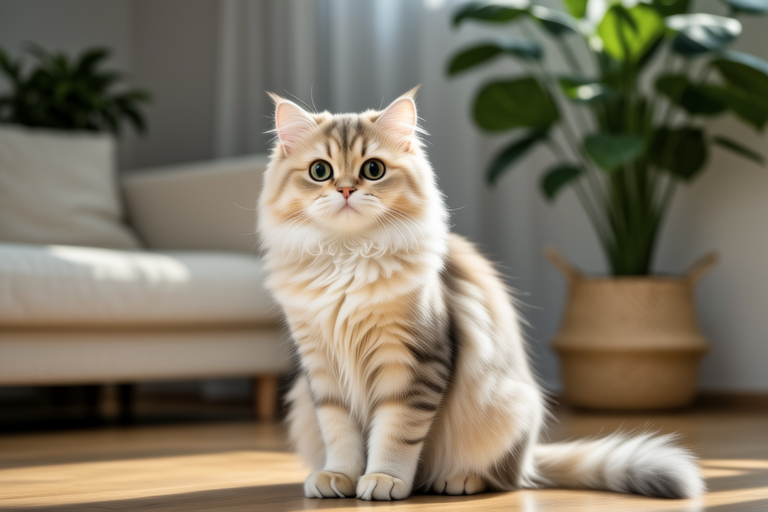
Golden British Shorthairs: The Ultimate Guide to Raising a Fluffy Companion
Welcome to the world of golden British Shorthair cats! These majestic felines have captured the hearts of cat enthusiasts worldwide with their striking golden coats and gentle personalities. Known for their plush, dense fur and round faces, golden British Shorthairs are a popular choice among pet lovers. In this comprehensive guide, we will explore everything you need to know about raising a golden British Shorthair, from understanding their unique physical characteristics and temperament to providing the best care and creating a safe, loving home environment.
Introduction: Popularity and Unique Traits
The golden British Shorthair is a descendant of the traditional British Shorthair, a breed that has been around for centuries. Their popularity surged after being featured in advertisements and movies, making them one of the most sought-after breeds today. One of the most appealing aspects of these cats is their golden coat, which ranges from pale cream to deep amber. Their soft, plush fur gives them a teddy bear-like appearance, and their large, round eyes add to their charm. Golden British Shorthairs are known for their calm, affectionate nature, making them ideal companions for families and individuals alike.
Physical Characteristics
Golden British Shorthairs are medium to large-sized cats with robust, muscular bodies. They have a broad chest, strong legs, and a thick tail that tapers slightly at the end. Their heads are rounded with wide-set ears and expressive eyes that give them an innocent, almost puppy-like appearance. Their most distinctive feature is their plush, short, double-layered coat, which requires regular grooming to maintain its luxurious texture. Their golden coloration can vary, but it typically has a warm, inviting hue that sets them apart from other breeds.
Temperament
One of the reasons golden British Shorthairs are such beloved pets is their gentle and affectionate nature. They are known for their calm demeanor and patience, making them excellent companions for children and other pets. Despite their laid-back personality, they are still curious and playful, especially when young. Golden British Shorthairs enjoy interacting with their owners and thrive on attention, but they are not overly demanding. They tend to be independent yet affectionate, often seeking out their owner’s lap for a cuddle or a nap.
Common Health Issues
Like any breed, golden British Shorthairs can be prone to certain health issues. One of the most common concerns is obesity due to their sedentary lifestyle. Regular exercise and a balanced diet are essential to maintaining their health. Another issue is dental problems, which can lead to more serious conditions if left untreated. Regular dental care, including brushing their teeth and providing appropriate chew toys, can help prevent these issues. Additionally, golden British Shorthairs may be susceptible to heart disease, so regular check-ups with a veterinarian are crucial.
Diet and Nutrition
Feeding your golden British Shorthair a well-balanced diet is key to their overall health and well-being. High-quality commercial cat food, either wet or dry, should form the foundation of their diet. Look for products that list meat as the primary ingredient and avoid those with fillers or artificial preservatives. It’s important to provide them with a variety of nutrients, including proteins, fats, carbohydrates, vitamins, and minerals. Fresh water should always be available, and avoid feeding them human food or treats that could upset their stomach or cause weight gain.
Grooming
Grooming your golden British Shorthair is essential to keep their coat healthy and free from mats. Their plush fur requires regular brushing to prevent tangling and shedding. Use a slicker brush or a fine-toothed comb to gently remove loose hair and distribute natural oils throughout the coat. Bathing should be done infrequently, as it can strip their skin of natural oils. If necessary, use a mild cat shampoo and ensure thorough rinsing to avoid irritation. Regular nail trimming, ear cleaning, and dental care are also important aspects of grooming.
Exercise and Playtime
While golden British Shorthairs are generally calm and sedentary, they still require regular exercise to stay healthy and happy. Interactive play sessions using toys like feather wands or laser pointers can stimulate their minds and provide them with much-needed physical activity. Puzzle feeders and treat-dispensing toys can also encourage mental stimulation and keep them engaged. Providing climbing structures, scratching posts, and other environmental enrichment can help satisfy their natural instincts and promote healthy behavior.
Training
Training your golden British Shorthair can be rewarding and fun. Positive reinforcement techniques, such as treats and praise, work best for teaching them commands and tricks. Basic training can include teaching them to come when called, sit, or use a litter box properly. Consistency is key, and patience is necessary as they may not respond immediately. Training can also involve addressing unwanted behaviors, such as scratching furniture or jumping onto countertops. Redirecting their energy to appropriate outlets, like scratching posts or interactive toys, can help curb these behaviors.
Selecting the Right Veterinarian
Choosing the right veterinarian is crucial for your golden British Shorthair’s health and well-being. Look for a veterinarian who specializes in feline medicine and has experience with the British Shorthair breed. A good veterinarian will provide routine check-ups, vaccinations, and preventive care, as well as address any health concerns that arise. Building a relationship with your veterinarian is important, so choose someone who listens to your concerns and provides personalized care for your pet. Don’t hesitate to ask for recommendations from friends or online reviews to find a reputable veterinarian in your area.
Creating a Safe Home Environment
Ensuring a safe and comfortable living environment for your golden British Shorthair is essential. Start by cat-proofing your home, removing any toxic plants, chemicals, or small objects that could be swallowed. Install secure screens on windows and doors to prevent accidental falls or escapes. Provide them with a comfortable bed, a litter box in a quiet area, and plenty of toys and scratching posts. Consider installing cat trees or shelves to give them vertical space to explore and climb. Creating a stress-free environment can also benefit their mental health, so try to minimize loud noises and sudden changes in their routine.
Socializing and Bonding
Socializing your golden British Shorthair is vital for their emotional well-being and helps them develop positive relationships with people and other animals. Introduce them to new environments gradually and allow them to explore at their own pace. Encourage interactions with family members and other pets in a controlled manner. Spending quality time together, playing, and offering affection can strengthen your bond and make them feel loved and secure. Remember that each cat is unique, so be patient and adapt your approach based on their individual needs and preferences.
In conclusion, raising a golden British Shorthair is a rewarding experience that requires commitment and care. By understanding their physical characteristics, temperament, and common health issues, you can provide them with the best possible life. With proper nutrition, grooming, exercise, and training, along with the right veterinarian and a safe home environment, your golden British Shorthair will thrive and bring joy to your family. Socializing and bonding with your fluffy companion will deepen your connection and create lasting memories. Enjoy every moment with your golden British Shorthair, and cherish the love and companionship they bring into your life.
