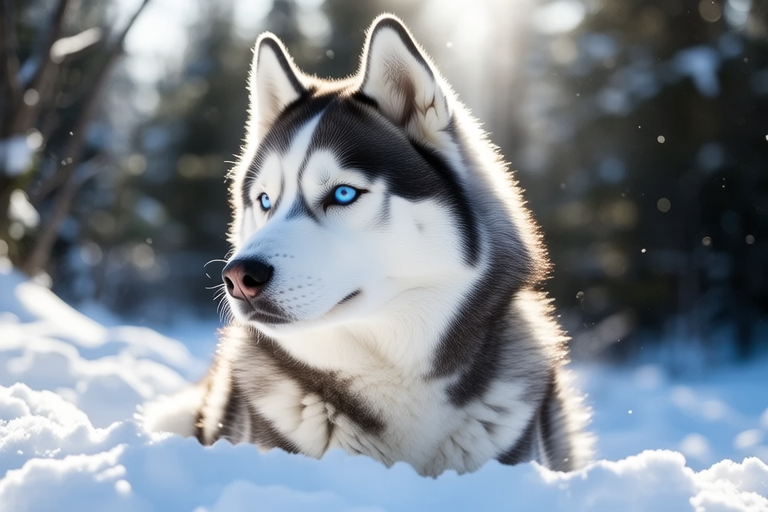
The Multifaceted World of Siberian Huskies
Siberian Huskies are more than just striking dogs with beautiful coats; they have a rich history and a complex set of traits that make them unique. Beyond their iconic role in snowy environments, these dogs offer a wealth of information for those interested in their origins, temperament, intelligence, and unique characteristics.
Origins and Historical Significance
Siberian Huskies originated from the Chukchi people of Northeastern Asia, who used them for sledding, herding reindeer, and companionship. These dogs were bred for endurance and speed, capable of traveling long distances in harsh climates without tiring. Their historical significance extends to their role in the 1925 serum run to Nome, Alaska, where they helped deliver life-saving diphtheria antitoxin across hundreds of miles of frozen terrain.
Temperament and Intelligence
Siberian Huskies are known for their friendly and outgoing nature, often getting along well with children and other animals. However, they can be independent and stubborn, which sometimes makes training challenging. Despite this, they are intelligent and quick learners when motivated by positive reinforcement. Their intelligence also manifests in their problem-solving abilities, making them adept at escaping from enclosures if bored or unsupervised.
Unique Characteristics
One of the most notable features of Siberian Huskies is their striking blue or multi-colored eyes. They are also known for their thick double coat, which provides insulation against cold weather. This coat sheds heavily twice a year, requiring regular grooming. Their distinctive howl and playful demeanor further distinguish them from other breeds.
Exercise Needs and Dietary Requirements
Siberian Huskies are high-energy dogs that require ample physical activity to maintain their health and happiness. Daily walks and opportunities for running are essential. They thrive in environments that allow them to explore and play, such as spacious backyards. Nutritionally, they need a balanced diet rich in protein and fat to support their active lifestyle. Owners should consult with veterinarians to determine the appropriate portion sizes based on their dog’s age, weight, and activity level.
Common Health Issues
While generally healthy, Siberian Huskies are prone to certain genetic disorders, including hip dysplasia, progressive retinal atrophy, and zinc responsive dermatitis. Regular veterinary check-ups and a nutritious diet can help manage these conditions. Early detection and intervention are crucial for maintaining the dog’s quality of life.
Adaptability to Various Living Conditions
Contrary to popular belief, Siberian Huskies can adapt to various living conditions, not just cold climates. They can live comfortably in warmer regions if provided with shade, water, and opportunities for cooling off. However, it’s important to note that they may experience heat stress if exposed to extreme temperatures. Proper acclimatization and care are necessary for their well-being.
Training Challenges and Tips for Owners
Training Siberian Huskies requires patience and consistency. Positive reinforcement techniques, such as treats and praise, work best. Socialization from an early age helps them become well-adjusted adults. Owners should establish clear boundaries and rules while remaining calm and assertive. Crate training can be particularly useful for housebreaking and providing a safe space for the dog.
Dispelling Common Myths
One common myth about Siberian Huskies is that they are always happy and easygoing. While many are friendly and playful, they can be aloof and independent. Another misconception is that they are suitable for first-time dog owners. Due to their energy levels and training requirements, experienced owners who understand their needs are better suited to handle them.
Historical Stories and Facts
The story of Togo, a famous Siberian Husky who led the 1925 serum run to Nome, is one of the most inspiring tales in canine history. His stamina and leadership saved countless lives. Other notable figures include Balto, another sled dog from the same event, whose statue stands in Central Park, New York City. These stories highlight the breed’s resilience and bravery.
Conclusion
Siberian Huskies are remarkable dogs with a rich history and unique characteristics. Their endurance, intelligence, and loyalty make them exceptional companions. Prospective owners should be prepared for the challenges of owning a high-energy, independent breed. By understanding their needs and providing proper care, Siberian Huskies can bring joy and companionship to their families for years to come.
