Beyond the Blue Eyes: Training Tips for Siberian Husky Owners
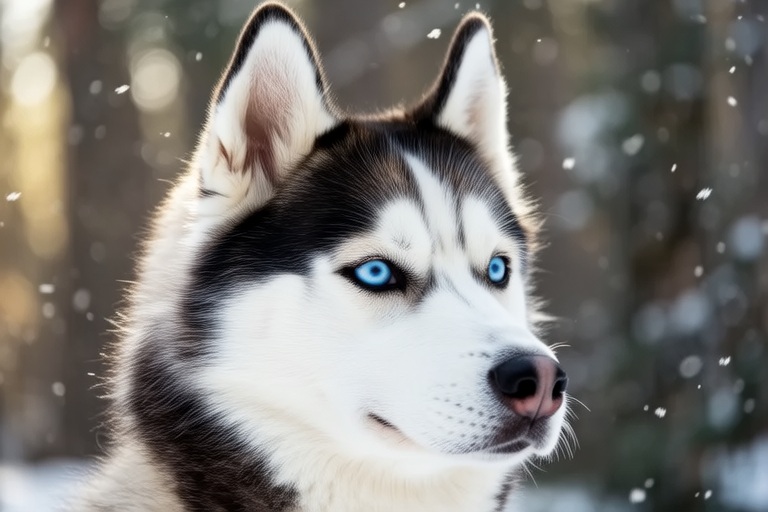
Siberian Huskies are one of the most iconic dog breeds, known for their striking blue eyes and thick, luxurious coats. These dogs are not just beautiful; they are also incredibly intelligent, energetic, and independent. Their unique combination of traits makes them both a challenge and a joy to own. If you’re considering adopting a Siberian Husky or already have one as a pet, this guide will provide you with essential training tips to help you manage your furry companion effectively.
Understanding Your Siberian Husky
Siberian Huskies were originally bred by the Chukchi people of Northeastern Asia for sled pulling. This heritage has shaped their physical and mental attributes. They are medium-sized dogs, standing about 20 to 23.5 inches tall at the shoulder and weighing between 35 to 60 pounds. Their dense double coat, which can come in a variety of colors and patterns, helps them withstand harsh winter climates.
One of the most notable characteristics of Siberian Huskies is their intelligence. They are quick learners but often prefer to think things through before obeying commands. This trait requires patient and consistent training from their owners. Additionally, Siberians are highly energetic, needing ample exercise to burn off their abundant stamina. Without proper outlets for their energy, they can become destructive or develop behavioral issues. Lastly, their independent nature means they may not always follow commands out of sheer stubbornness rather than disobedience.
Step-by-Step Training Tips
Establishing Leadership
The first step in training any dog, especially an independent breed like the Siberian Husky, is to establish yourself as the leader. This doesn’t mean being authoritarian; instead, it involves showing your dog that you are the decision-maker in the relationship. Begin by teaching basic commands such as ‘sit,’ ‘stay,’ and ‘come.’ Use positive reinforcement techniques, rewarding your dog with treats and praise when they comply.
Consistency is key. Always use the same command word for each action and ensure all family members adhere to the rules. This way, your Husky learns that following commands brings rewards and that you are in charge. It’s also important to set clear boundaries early on. For instance, decide where your Husky sleeps and stick to it. Avoid giving in to demands like allowing your dog to sleep on the bed if you initially said no.
Positive Reinforcement Techniques
Positive reinforcement is the cornerstone of effective Husky training. This method focuses on rewarding good behavior rather than punishing bad behavior. When your Husky listens to a command, immediately reward them with a treat and enthusiastic praise. Over time, they will associate the command with the reward, making them more likely to follow future instructions.
Be mindful of the type of treats you use. Small, soft treats work best because they allow you to give multiple rewards without overfeeding. Additionally, consider incorporating non-food rewards like toys or extra playtime into your training sessions. This variety keeps the training process exciting and engaging for your Husky.
Setting Boundaries
Setting boundaries is crucial for maintaining order in your household. Huskies are curious and may try to explore areas they shouldn’t. To prevent this, use baby gates to block off certain rooms or install a sturdy fence around your yard. Consistently enforce these boundaries whenever your Husky attempts to cross them. Redirect them to an appropriate area and praise them for choosing the right space.
Teaching your Husky to respect personal space is equally important. Teach them to wait until you invite them to approach you or sit down. This can be done by commanding them to ‘wait’ before allowing them to greet guests or enter a room. Practice this command regularly in various situations to reinforce the behavior.
Addressing Common Behavioral Issues
Huskies can exhibit several common behavioral issues due to their high energy and independent nature. Barking is one such issue. Huskies tend to bark more than other breeds, often out of boredom or excitement. To curb excessive barking, teach your Husky the ‘quiet’ command. When they start barking, say ‘quiet’ and wait for them to stop. Once they do, reward them with a treat. Gradually increase the duration they must stay quiet before receiving a reward.
Another issue is digging. Huskies love to dig, partly due to their instinctive need to create cool spots to lie in during hot weather. To discourage this behavior, redirect their energy by providing them with a designated digging area. Fill a sandbox or garden bed with loose soil and encourage your Husky to dig there. Praise them for using the correct spot and gradually reduce the frequency of treats to maintain the behavior.
Ongoing Mental and Physical Stimulation
Maintaining a well-behaved and happy Siberian Husky requires continuous mental and physical stimulation. Huskies thrive on routine, so establish a daily schedule that includes regular walks, runs, or hikes. These activities not only satisfy their need for exercise but also provide opportunities for social interaction and mental engagement.
In addition to physical activity, engage your Husky’s mind with puzzle toys and interactive games. Hide-and-seek games, where you hide treats around the house or yard, can be particularly effective. These activities stimulate your Husky’s natural hunting instincts and provide mental challenges that keep them engaged and entertained.
Consider enrolling your Husky in obedience classes or agility training. These activities offer structured environments where your Husky can learn new skills and socialize with other dogs. The mental and physical exertion involved in these activities can significantly reduce behavioral problems caused by boredom or excess energy.
Conclusion
Training a Siberian Husky can be a rewarding experience, provided you understand and embrace their unique traits. By establishing yourself as a calm and confident leader, utilizing positive reinforcement techniques, and setting clear boundaries, you can successfully train your Husky to be well-behaved and obedient. Addressing common behavioral issues promptly and consistently will further enhance your bond with your pet.
Remember, the key to a happy and well-adjusted Siberian Husky lies in providing them with adequate mental and physical stimulation. With patience, consistency, and love, you can enjoy many years of companionship with your beautiful and spirited canine friend.
